
Zhejiang Indoor Mobile Toilet
Currently, there is no direct evidence indicating the existence of a specific type of 'indoor mobile toilet' in Zhejiang, but innovations in toilet design in Zhejiang may provide references for the indoor application of mobile toilets.
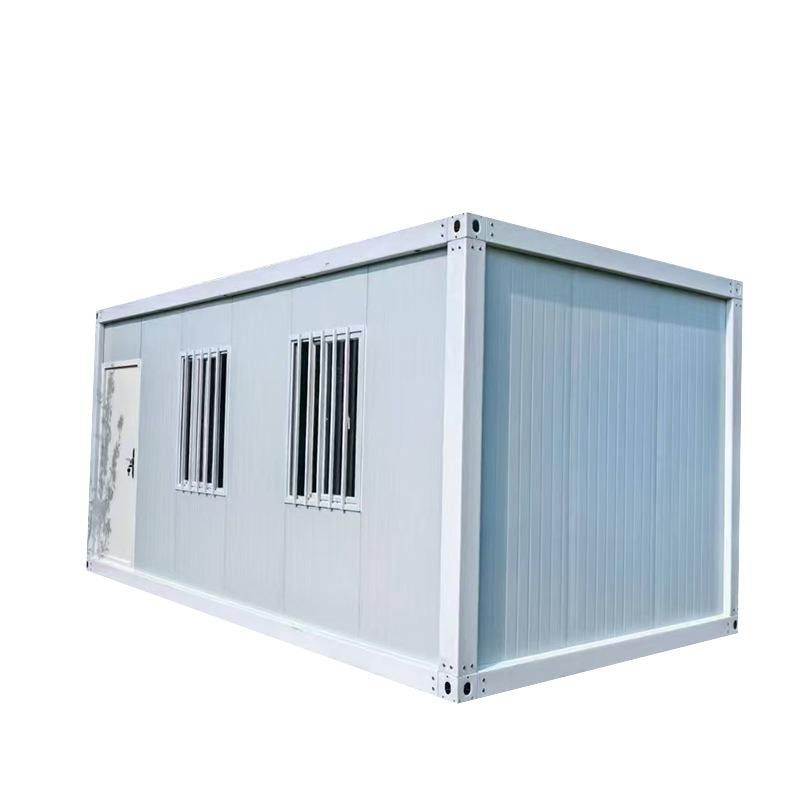
Mobile toilets typically feature mobility, modularity, and ease of transportation, making them suitable for locations such as train stations, tourist attractions, and construction sites. Their structures generally include fecal storage tanks, sanitary fixtures, walls, etc., and can be classified into water-flush, waterless suction, and dry-packing types based on wastewater treatment methods. These characteristics make them widely applicable in outdoor settings, but a clear definition or specific case of an 'indoor mobile toilet' has not been directly mentioned in publicly available information regarding Zhejiang.
Toilet designs in some areas of Zhejiang are characterized by a combination of aesthetics and practicality. For example, their appearance, featuring blue-tiled white walls hidden deep within bamboo groves, has even been described by tourists as 'scenic spots in themselves.' These designs emphasize ventilation, lighting, and decoration, reflecting high demands for indoor environments. Although these cases primarily target fixed toilets, the design concepts of space utilization and environmental integration may provide ideas for the indoor application of mobile toilets. For instance, by optimizing ventilation systems, adopting lightweight materials, or using modular structures, mobile toilets may adapt to the needs of indoor spaces.
The configurations of the new lightweight plastic mobile toilets for 2026 are also noteworthy. They feature ventilation designs, large-capacity freshwater tanks, gravity-flush wastewater tanks with foot pumps, etc., and may be suitable for indoor or temporary locations. These products enhance convenience through technological upgrades, but their application cases in Zhejiang have not been explicitly mentioned. If combined with Zhejiang's pursuit of toilet aesthetics in the future, functional and design-oriented indoor mobile toilet products may be developed.
In summary, Zhejiang demonstrates innovative vitality in toilet construction, but 'indoor mobile toilets' have not yet formed a clear application model or product type. In the future, with technological advancements and changing demands, Zhejiang may explore paths for the indoor application of mobile toilets by integrating local design characteristics.



