Zhaotong Intelligent Mobile Toilet
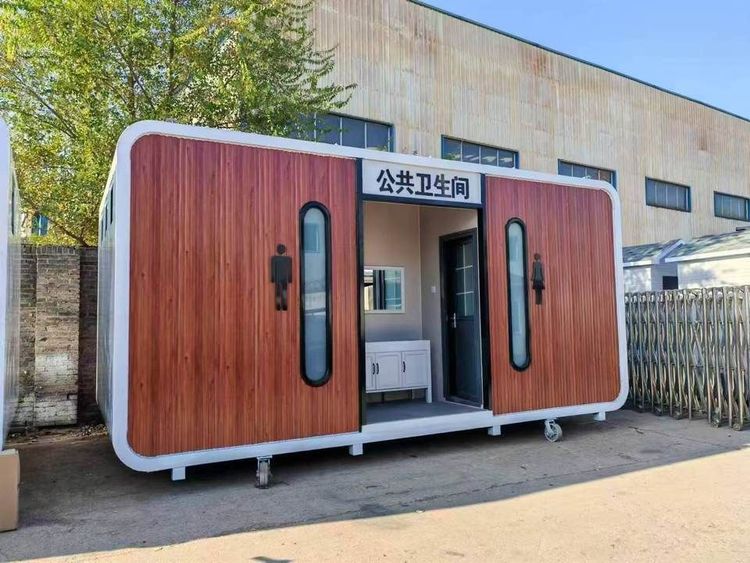
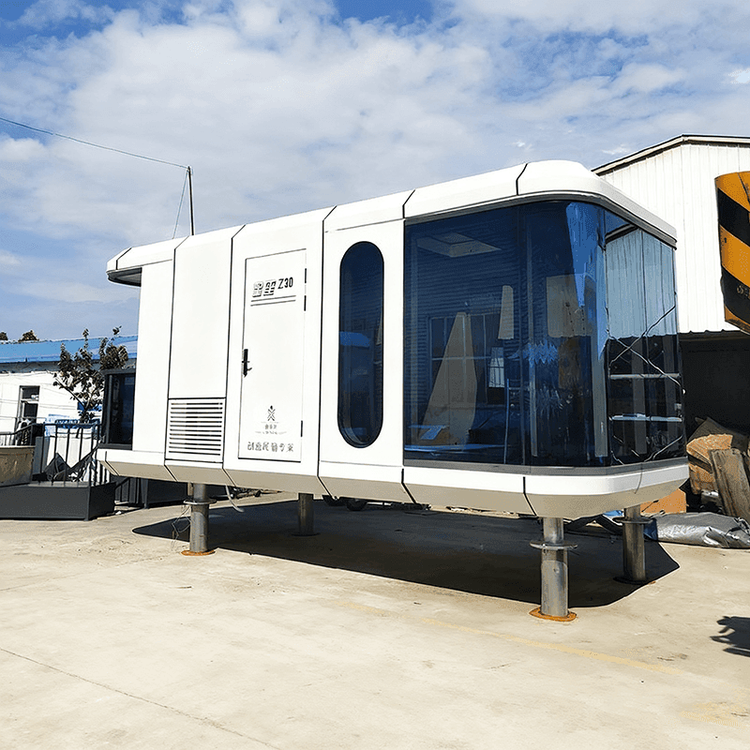
The intelligent mobile toilets in the Zhaotong area are characterized by environmental protection, energy conservation, and intelligent monitoring.

In terms of environmental protection technology, the intelligent mobile toilets in Zhaotong employ advanced technologies for environmental treatment. The smart induction touch-free models provided by Xuhu Environmental Protection Equipment Co., Ltd. utilize bio-enzyme degradation technology instead of traditional chemical agents. This bio-enzyme degradation technology can efficiently break down organic matter such as fecal waste into harmless substances, significantly reducing the risk of pollution to soil and groundwater, and meeting environmental protection requirements. The waterless ecological and environmentally friendly toilets provided by Sichuan Junxi Environmental Protection Technology Co., Ltd. achieve harmless treatment of fecal waste through specific technical means, reducing dependence on external resources. They have the advantage of water conservation and can be effectively applied in scenarios such as large conference venues and squares, avoiding resource waste and sewage discharge caused by excessive water use.
Regarding energy-saving design, some models fully consider energy-saving needs. Some mobile toilet models from Xuhu Environmental Protection Equipment Co., Ltd. are integrated with solar panels. These solar panels can convert solar energy into electrical energy to power the toilet's lighting and ventilation systems. This design reduces reliance on traditional external power sources, lowers energy consumption, and is particularly suitable for outdoor, remote areas, or places with inconvenient power supply, being both energy-saving and environmentally friendly.
In terms of intelligent monitoring, to improve management efficiency and the rationality of resource utilization, intelligent mobile toilets in the Zhaotong area are equipped with intelligent monitoring terminals at high-frequency usage points. These terminals can provide real-time feedback on key information such as liquid levels, odor indices, and usage frequencies. Through liquid level monitoring, managers can promptly understand the storage status of fecal waste in the toilets and arrange cleaning times reasonably. Odor index monitoring helps in promptly detecting the sanitary conditions of the toilets and taking corresponding ventilation and cleaning measures. Usage frequency statistics can provide a basis for the dynamic allocation of resources, such as increasing the number of toilets or adjusting their layout in areas with high pedestrian traffic to better meet people's usage needs.