Back to blog
Article
Installation of Mobile Toilets in Zhaoqing Park
Admin September 28, 2026
The installation of mobile toilets in Zhaoqing Park should follow the steps below to ensure safety, environmental protection, and functional compliance:

1. Preliminary Preparation
- Site Selection: The installation location should meet the requirements of flatness and ventilation, and be far from water pollution areas (such as rivers and lakes) and densely populated activity areas to avoid odor diffusion or environmental pollution.
- Site Clearance: Remove obstacles such as debris and stones from the site to ensure that the ground is free of pits or bumps, providing a stable foundation for subsequent fixation.
- Component Inspection: Check the equipment list to confirm that core components such as the main frame, toilet bowls, fecal storage tanks (or foam generation devices), connectors, and sealing strips are complete, avoiding installation interruptions due to missing parts.
2. Foundation Fixation
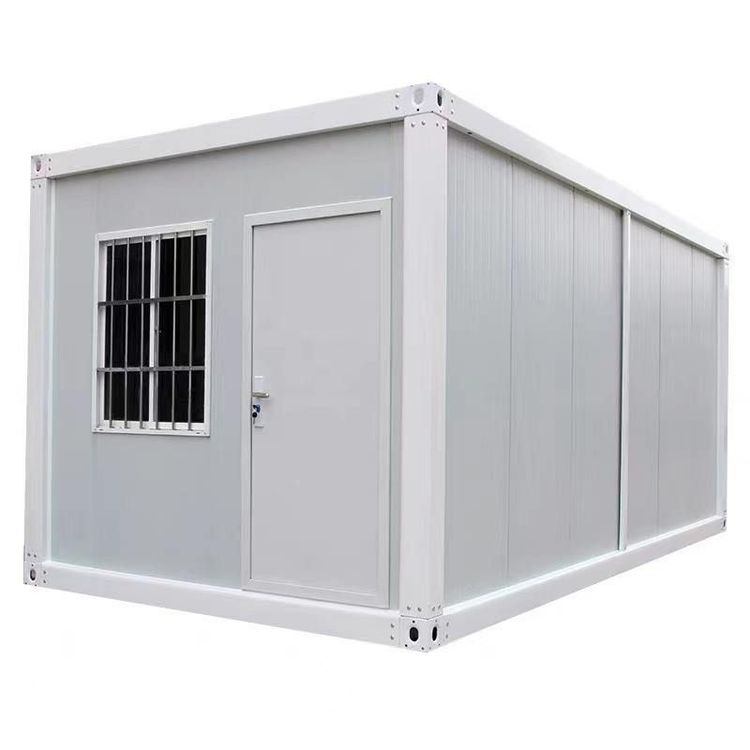
- Main Body Positioning: Place the main frame of the mobile toilet at the designated location and adjust its levelness to ensure even contact between each corner and the ground.
- Fixation Methods:
- Expansion Screw Fixation: Suitable for hard surfaces (such as concrete), drill holes and install expansion screws to firmly connect the bottom of the main body to the ground.
- Counterweight Block Fixation: If the ground is soft (such as soil), counterweight blocks (such as concrete blocks) need to be added to the bottom of the main body to prevent shaking through gravity.
3. Installation of Core Components
- Toilet Bowls and Sewage Systems:
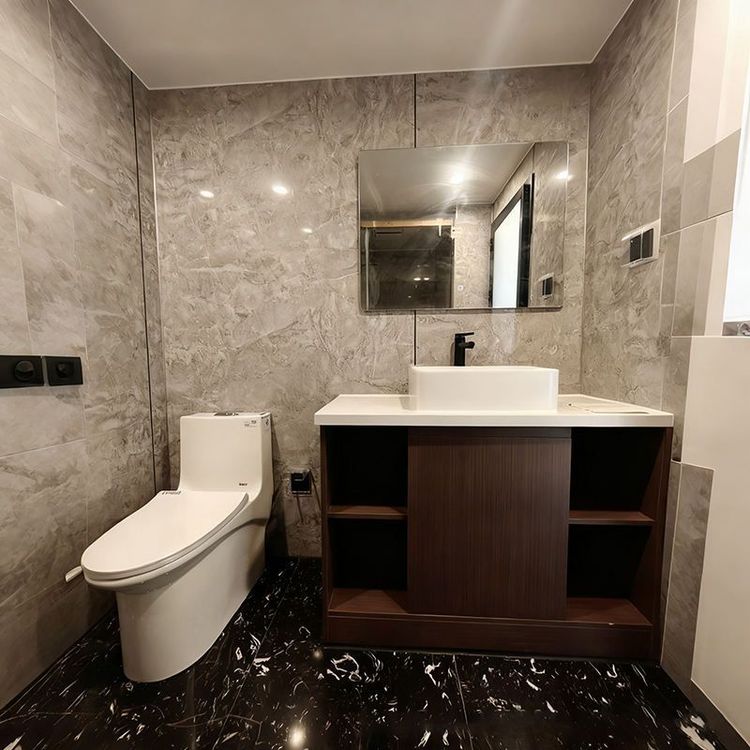
- Install the toilet bowls, ensuring precise alignment between the sewage outlet and the fecal storage tank (or sewer pipe). Use sealing rings or silicone strips to seal the joints and prevent leakage.
- Flush Toilets: Connect the water inlet pipe, water tank, and flush valve, test the water pressure and flushing effect to ensure no blockage.
- Dry Toilets or Foam Toilets: Fix the position of the fecal storage tank. For foam toilets, install the foam generation device, air pump, and control system simultaneously, and debug the stability of foam generation.
- Sewage Treatment: The fecal storage tank should have a reserved cleaning port and ensure compatibility with external sewage removal equipment for easy maintenance.
4. Assembly of Auxiliary Facilities
- Doors, Windows, and Sealing: Install doors and windows and adjust their opening and closing flexibility to ensure tight closure and prevent odor leakage.
- Safety Accessories: Install convenience facilities such as handrails and hooks, and lay anti-slip mats in areas prone to slipping.
- Electrical System: Connect the circuits for lighting, exhaust fans, etc., and test whether the power supply is normal to ensure safe use at night.
5. Sealing and Debugging
- Sealing Inspection: Use silicone strips to seal the gaps between the main body and the ground, and between components, focusing on key positions such as sewage outlets and ventilation openings.
- Functional Testing:
- Flush Testing: Simulate usage scenarios to check the flushing force, water volume, and drainage speed.
- Sewage Testing: Observe whether the fecal storage tank or sewer pipe leaks to ensure a smooth sewage discharge path.
- Cleaning and Organization: Clean up installation residues, place toilet paper, deodorants, and other items in the toilet to enhance the user experience.
6. Safety Inspection and Acceptance
- Structural Stability: Shake the main frame to confirm no looseness or abnormal noise, and check whether the expansion screws/counterweight blocks are firmly fixed.
- Signage and Emergency Measures: Post emergency contact information, usage instructions, and maintenance phone numbers in the toilet for user assistance.
- Final Acceptance: The installation team and park management jointly inspect various indicators and sign the acceptance documents after confirming compliance.
Special Note: If a foam mobile toilet is installed, regularly replenish the foam solution, check the operating status of the air pump, and the sealing of the pipeline to ensure the continuous effectiveness of the foam sealing effect.