Back to blog
Article
How to Install Mobile Toilets in Zhaoqing
Admin October 03, 2026
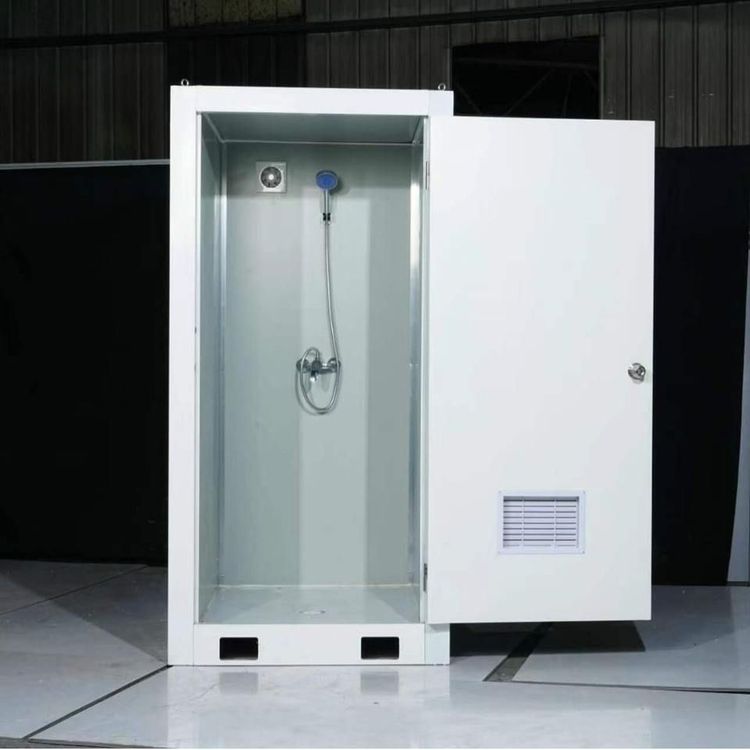
The installation process of mobile toilets in Zhaoqing generally follows the core steps of 'positioning - assembly - connection - debugging', with specific operations adjusted according to the toilet type (split-type or integrated).
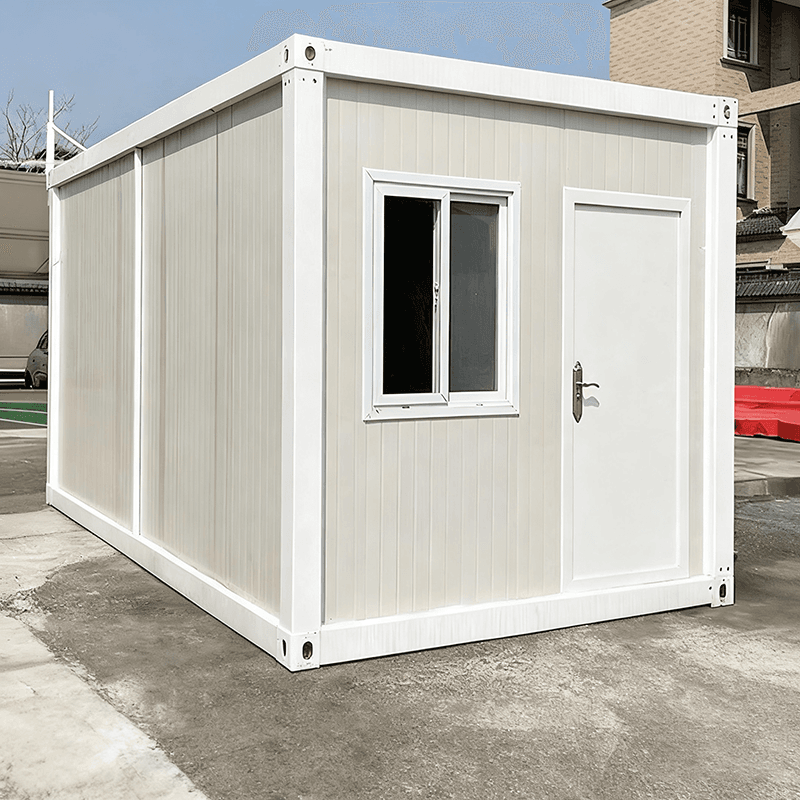
I. Site Positioning and Foundation Treatment
- Site Selection Planning: Determine the installation location based on the site's usage requirements (such as pedestrian traffic and sewage disposal conditions), ensuring a solid ground and smooth drainage. If the ground is soil or has a slope, hardening treatment (such as concrete pouring) or steel plate laying should be carried out in advance to prevent toilet tilting or damage due to unstable foundations.
- Level Calibration: Use a level to check the ground flatness, ensuring no tilt after placing the chassis. For split-type toilets, the chassis needs to be leveled by adjusting the feet or shims; integrated toilets require precise positioning using lifting equipment.
II. Assembly and Structural Construction
Split-Type Mobile Toilets:
- Chassis and Frame Installation: Use a forklift or manual labor to place the prefabricated steel structure chassis steadily at the predetermined position, adjust it to be level, and then secure it.
- Wall and Roof Panel Installation: Insert the sandwich panel wall panels into the chassis slots one by one and fix them with bolts or clips; then install the roof panels, paying special attention to the sealing of the joints (such as using waterproof glue or sealing strips) to prevent rainwater leakage.
- Internal Facility Connection: Install partitions, toilets, flushing systems, handwashing basins (optional), and other equipment, and connect water and electricity pipelines. The modular quick-connect design simplifies operations, but professional personnel are still required to ensure firm connections and no leaks.
Integrated Mobile Toilets (Box-Type Toilets):
- Lifting and Positioning: Lift the factory-prefabricated integrated toilet to the target location using a crane, slowly lower it onto the foundation platform, and ensure that the four corners are aligned.
- Quick Connection: Directly connect the water and electricity interfaces (such as power cords, water inlet pipes, and sewage pipes). The integrated design significantly shortens the on-site installation time to 2-4 hours.
III. Functional Inspection and Debugging
- Flushing System Test: Check the flushing force of the toilet, the water level in the tank, and the drainage speed to ensure no blockage or backflow.
- Electrical Safety Inspection: Confirm that lighting and ventilation equipment (such as exhaust fans) are working properly, and check the insulation of the circuits to avoid the risk of electric shock.
- Sealing Inspection and Acceptance: Focus on checking the joints of the walls, the edges of doors and windows, and the connections of sewage pipes. Verify the waterproof performance through water spraying or pressure testing.
Precautions: During the installation process, strictly follow the instructions. For operations involving water and electricity, it is essential to have certified personnel complete them. If the site conditions are complex (such as high altitudes or extreme climates), communicate with the supplier in advance to customize a solution to ensure the toilet adapts to the environmental requirements.
Related