Zhaoqing Mobile Toilet Design
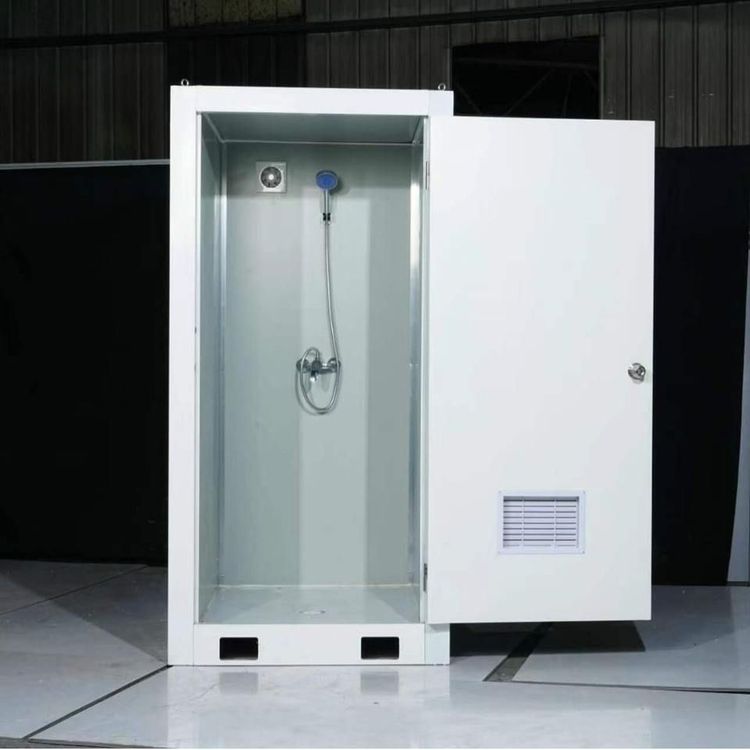
The design of mobile toilets in Zhaoqing needs to be customized by combining usage scenarios, budgets, and functional requirements, with core points including scenario adaptation, material selection, functional configuration, and intelligent upgrades.

1. Scenario adaptation is the foundation of customization
The design of mobile toilets in Zhaoqing supports adjusting dimensions and functions according to actual scenarios. For example, tourist attractions need to consider the diversity of visitors and can customize barrier-free access, baby care rooms, and family restrooms to meet the needs of special groups. Construction sites have complex environments and require materials that are wind-resistant, waterproof, and impact-resistant (such as thickened fiberglass-reinforced plastic) and enhanced structural stability to cope with harsh weather. Exhibition scenarios can incorporate advertising space designs, using the toilet exterior walls as promotional carriers to improve space utilization. Before customization, it is necessary to clarify the usage period (temporary/long-term), peak visitor numbers, and peak periods to reasonably plan the number of toilet stalls and the capacity of the sewage disposal system.
2. Materials need to adapt to hot and humid climates
Zhaoqing has a subtropical monsoon climate, where high temperatures and humidity can accelerate material corrosion. When designing, it is necessary to prioritize the use of corrosion-resistant materials, such as 304 stainless steel or high-strength fiberglass-reinforced plastic. Stainless steel is suitable for long-term fixed toilets, while fiberglass-reinforced plastic, being lightweight and easy to transport, is more suitable for temporary scenarios. In addition, details such as anti-slip floor tiles and waterproof coatings can reduce safety hazards in humid environments and extend the lifespan of the facilities.
3. Functional configuration needs to balance practicality and hygiene
The sewage disposal system is a core module, and it is recommended to adopt a clog-resistant design with a grinding function that can effectively handle miscellaneous items such as sanitary products and avoid pipe blockages. Supporting facilities need to be complete, including sinks (it is recommended to equip them with sensor faucets to reduce contact contamination), storage hooks, paper towel holders, and hand-drying equipment. For scenarios with high visitor numbers, additional features such as urinal dividers, ventilation systems (such as forced exhaust + negative pressure deodorization), and ultraviolet disinfection lamps can be added to improve comfort and hygiene standards.
4. Intelligent upgrades enhance the user experience
Some service providers offer intelligent options, such as intelligent sensor flushing (triggered by infrared or microwave sensors to avoid secondary pollution), solar power supply systems (reducing operating costs and suitable for outdoor scenarios), and visitor counting devices (helping managers optimize cleaning frequencies). Although these features may increase initial costs, they can significantly improve long-term usage efficiency and user satisfaction.
Customization process recommendations: After clarifying requirements, contact a professional team to provide a 1:1 design plan, focusing on communicating budget allocation (such as the proportion of materials and the priority of intelligent features) and special requirements (such as temporary power outlets and night lighting). During acceptance, check the tightness of the sewage disposal system, the flatness of the material surface, and the responsiveness of intelligent equipment to ensure compliance with design standards.