Zhanlu Mobile Toilet Installation
The installation of mobile toilets in the Zhanlu area should follow a general process, with the core steps being 'positioning - assembly - connection'. The specific installation method depends on the type of toilet (modular or integrated), and the overall operation emphasizes convenience and functionality.

I. Installation Process for Modular Mobile Toilets
Modular mobile toilets consist of separate modules including a chassis, frame, walls, roof panel, and internal facilities (such as toilets, water tanks, and ventilation systems). The installation should be carried out step by step:
- Positioning the Chassis and Frame: Determine the installation location according to the design drawings, clean the ground and ensure it is level, fix the chassis to the ground (some require embedding anchor bolts in advance), and then install the frame structure to ensure verticality and stability.
- Installing the Walls and Roof Panel: Assemble the wall modules in sequence (usually made of lightweight materials such as color-coated steel sheets or fiberglass-reinforced plastics), and fix the connections with sealant or bolts; pay attention to waterproofing when installing the roof panel to prevent rainwater leakage.
- Connecting Internal Facilities: Install equipment such as toilets, sinks, and water tanks, and connect the water inlet pipes, sewage pipes, and electrical circuits (if equipped with lighting or ventilation systems). Ensure that the pipe connections are sealed without leakage and that the electrical wiring complies with safety regulations.
- Function Inspection and Debugging: Test the operation status of each piece of equipment by supplying water and electricity, check whether functions such as toilet flushing, water tank supply, and ventilation system exhaust are normal, and adjust the details to meet usage standards.
II. Installation Process for Integrated Mobile Toilets
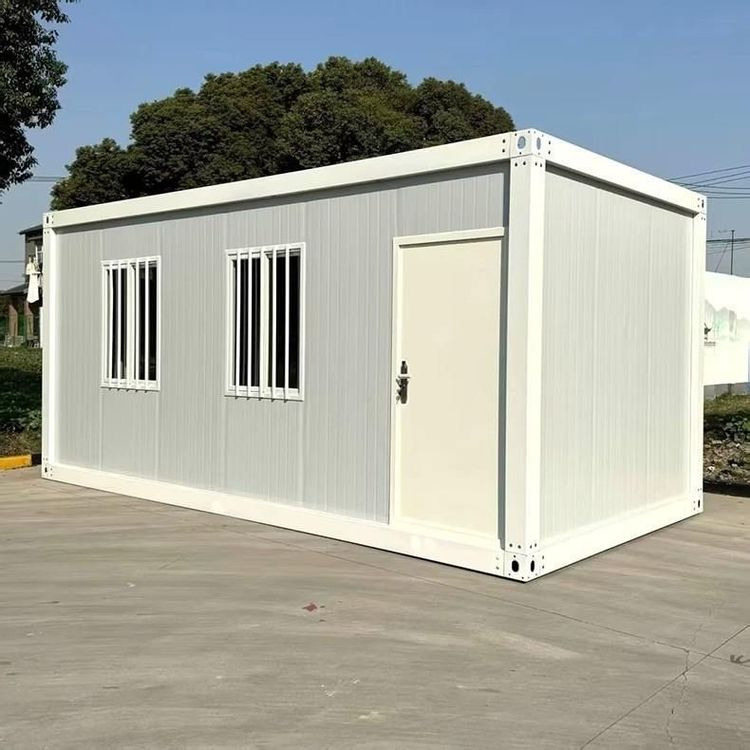
Integrated mobile toilets (such as container-type toilets) have an overall structure, making on-site installation more convenient. The core steps are as follows:
- Lifting and Positioning: Use lifting equipment to hoist the toilet body to the designated location and slowly place it on the pre-embedded foundation or a level ground, ensuring levelness and stability.
- Connecting Water, Electricity, and Sewage Pipes: According to the on-site conditions, connect the water inlet pipe (for flushing water), sewage pipe (connected to the municipal sewage network or septic tank), and electrical circuit (if lighting or intelligent systems are required). The connections should be sealed.
- Function Testing: After supplying water and electricity, check whether systems such as toilet flushing, lighting, and ventilation are operating normally. Confirm that there are no safety hazards such as water leakage or electric leakage before putting the toilet into use.
The installation time for integrated toilets is relatively short, and a skilled team can complete the installation within 2-4 hours.
III. Installation Precautions
Regardless of the type, before installation, it is necessary to confirm the site conditions (such as ground bearing capacity and water and electricity access points). After installation, regular maintenance (such as cleaning sewage pipes and checking seals) is required to extend the service life and ensure hygiene and safety. If there are special environmental requirements in the Zhanlu area (such as wind resistance and moisture resistance), reinforcement or anti-corrosion measures should be taken during installation.