
Zhangye Public Mobile Toilet
Zhangye public mobile toilets are designed as relocatable public sanitation facilities to address the toilet needs in temporary, mobile, or areas with inadequate infrastructure. Their core structures and functions are as follows:
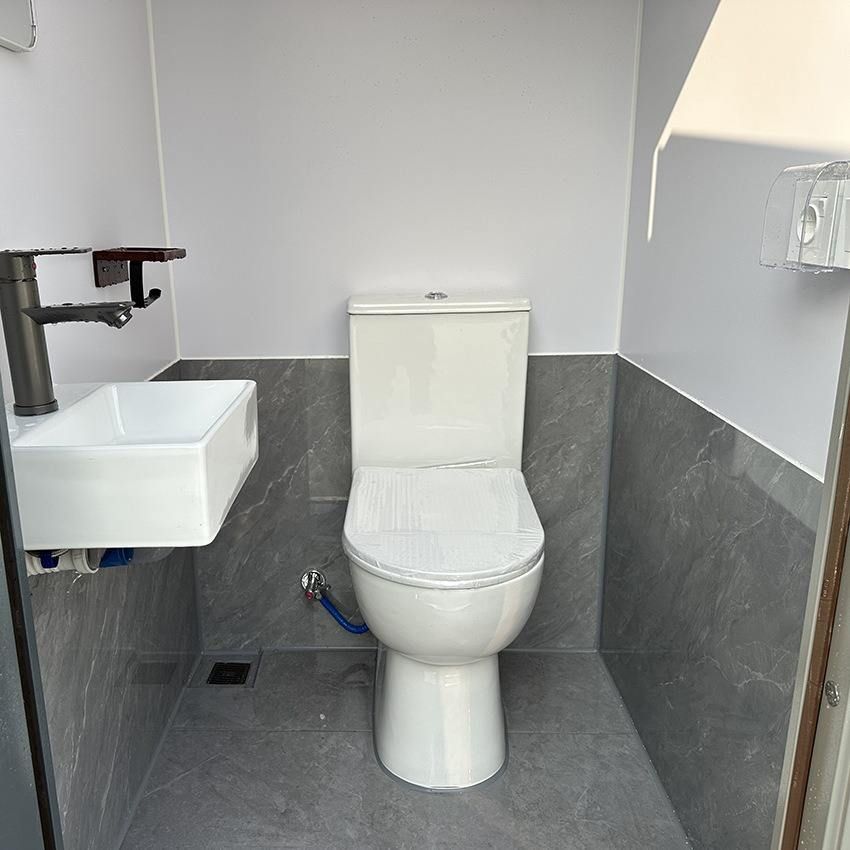
1. Basic Structure and Adaptive Design
Mobile toilets consist of three main parts: lightweight frame materials, internal sanitary fixtures, and water storage and sewage disposal systems. The frames are mostly made of alloys or composite panels, supporting quick assembly and disassembly. The sanitary fixtures conform to ergonomic dimensions. The water storage system includes separate clean water and wastewater tanks, preventing cross-contamination through physical isolation. For Zhangye's arid climate, the water storage system employs anti-evaporation design; in dusty environments, the sealing structure is enhanced; and the materials are required to have a low coefficient of thermal expansion and contraction to ensure structural stability given the large temperature variations between day and night.
2. Sewage Disposal Technologies
Sewage disposal methods include biological degradation, chemical decomposition, and physical separation. Biological degradation uses microorganisms to break down excreta, suitable for low-frequency usage scenarios. Chemical decomposition accelerates decomposition by adding chemicals, with a relatively long maintenance cycle. Physical separation reduces sewage volume through solid-liquid separation technology. The choice of technology should consider usage frequency, maintenance capabilities, and environmental assessment requirements. For example, tourist attractions may prioritize low-maintenance biological degradation technology.
3. Differences from Fixed Toilets
Fixed toilets rely on underground sewer networks, while mobile toilets have self-contained circulation systems and do not require connection to municipal facilities. Fixed buildings are restricted by land planning, whereas mobile units can be flexibly adjusted according to pedestrian density (e.g., placed along tourist routes in scenic spots or dynamically configured according to pedestrian flow in temporary markets). With the same service capacity, mobile toilets consume less energy, but long-term costs should include dynamic factors such as transportation and maintenance.
4. Public Health and Environmental Value
Mobile toilets reduce health risks by controlling the spread of excreta, minimizing random defecation behaviors, and blocking the spread of pathogens through soil and water sources. After treatment, the residue can be used as fertilizer for non-edible crops, and wastewater needs to meet discharge standards or be recycled, significantly reducing the pollution risk of traditional pit toilets to soil and groundwater.
5. Technology Integration and Special Models
Some models integrate solar power systems (supporting lighting and ventilation), humidity sensors (optimizing flushing frequency), and usage status monitoring functions to improve resource utilization efficiency. The custom-made "water-free and electricity-free 3+1 mobile mechanical packing toilet" in Zhangye is designed for areas without water and electricity, such as grasslands and deserts, using mechanical packing technology to treat excreta and achieve zero pollution emissions.
6. Application Scenarios and Limitations
Mobile toilets are suitable for large-scale events, temporary construction sites, seasonal camps, and other scenarios. Zhangye also offers rental services to meet the needs of festivals, concerts, etc. However, long-term use may face challenges such as material aging, extreme weather impacts (e.g., strong winds, sandstorms), and increased maintenance difficulties due to differences in hygiene habits among different groups, making them more suitable as phased or supplementary solutions.



