Zhangye Mobile Toilet: Must-See Information
The core information about mobile toilets in Zhangye can be explored from four dimensions: functional design, technological evolution, management services, and innovative enterprises:

1. Functional Design: Adapting to Special Environmental Needs
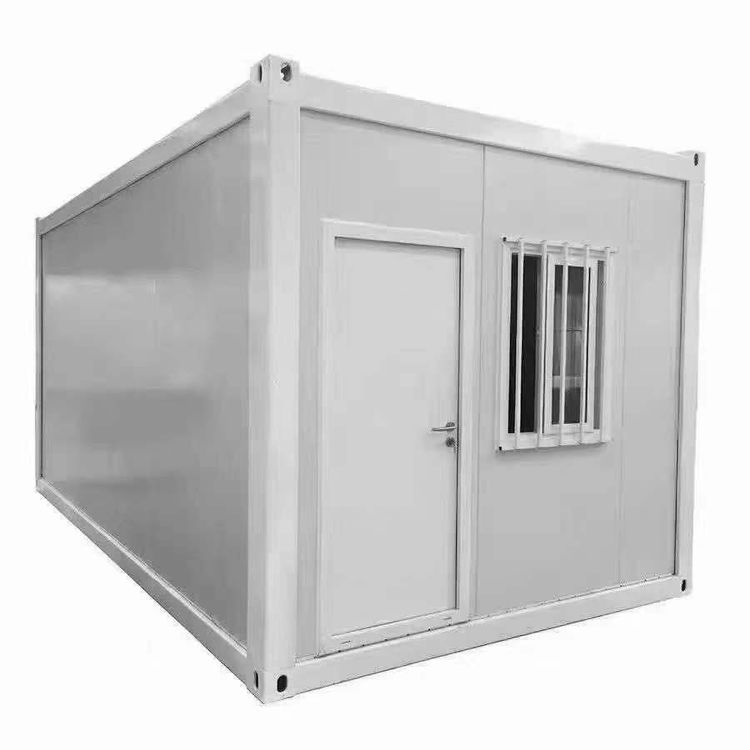
Zhangye features a complex topography, with some areas lacking municipal sewage networks. During peak tourist seasons or large-scale events, the influx of people makes it difficult for traditional fixed public toilets to meet demand. Mobile toilets address this issue through relocatable environmental treatment units, integrating basic functions such as temporary waste storage, physical isolation, and ventilation. Their water supply comes in two modes: one is self-contained water tanks with small pressurization systems, suitable for scenarios without water replenishment; the other is periodic定点(这里“定点”在英文语境下直接翻译为“scheduled”更合适,表示有计划的、定期的) scheduled water replenishment services to reduce operational costs. Waste treatment is completed in sealed containers to prevent secondary pollution. Additionally, mobile toilets emphasize functional zoning and user experience, with clearly defined internal spaces and materials selected for their lightweight, high-strength, and weather-resistant properties, suitable for harsh outdoor environments.
2. Technological Evolution: From Simple to Intelligent Upgrades
Early mobile toilets were merely simple shelters with limited functionality. As technology has advanced, they have evolved into modular independent systems, integrating sensors, wireless communication, and other technologies. For example, Zhangye's mobile smart public toilets achieve automated management through a "sense-analyze-respond" mechanism: the environmental control system automatically activates ventilation equipment or deodorization devices based on temperature, humidity, and odor concentration; the supply management system monitors water levels and consumable quantities in real-time, prompting resource replenishment; the safety monitoring function triggers alarms through infrared sensors or cameras; and the service guidance system displays restroom occupancy status via electronic screens or apps, improving usage efficiency.
3. Management Services: Standardized Operations and Maintenance Throughout the Process
The deployment of mobile toilets involves needs assessment, site planning, transportation and setup, maintenance and cleaning, and waste collection and transportation. Site selection logic considers pedestrian flow, topography, and event scale, with high-traffic areas such as scenic spot entrances and trail nodes prioritized. During the operational phase, a combination of scheduled periodic cleaning and real-time monitoring ensures hygiene standards are met. Waste treatment involves sealed transportation to professional treatment plants, where it undergoes harmless treatment and is converted into fertilizer or energy, achieving resource recycling.
4. Innovative Enterprises: Biotechnology Breaking Traditional Limits
Zhangye Lanbiao Biotechnology Co., Ltd. has introduced patent biodegradation technology from the Shanghai Academy of Sciences to develop waterless flush toilets. These products use source separation equipment as their core, treating urine and feces separately: urine is filtered through membranes to meet discharge standards, while feces are rapidly decomposed into organic fertilizer by high-efficiency biological agents. Their advantages include no water flushing required, no sewer connection needed, and no pollution emissions, along with low operational costs, making them suitable for arid regions or ecologically sensitive areas. Additionally, the company offers custom art installation services for mobile toilets, combining functionality with creative design to enhance the aesthetic value of public spaces.