Zhangye Mobile Ecological Toilet Installation
The installation of mobile ecological toilets in Zhangye requires a comprehensive approach encompassing planning, technology, design, and maintenance. The specific steps and key points are as follows:

I. Site Planning for Deployment
Before installation, site selection should be based on dynamic data analysis, focusing on pedestrian flow paths, distribution of popular attractions, and main activity areas to ensure that toilet locations align with the tidal patterns of tourist activities. For example, priority should be given to deploying toilets at the entrances of scenic spots, around observation decks, or at trail intersections. Sites should be adaptable to accommodate seasonal fluctuations in visitor numbers or temporary event needs. Additionally, the carrying capacity of the surrounding environment should be evaluated to avoid interference with ecologically sensitive areas.
II. Technological Implementation and Functional Integration
- Waste Treatment Technology: The core units integrate waterless flushing or minimal water circulation systems. Some models employ microbial degradation technology, using specific bacterial strains to decompose feces for on-site preliminary treatment; chemical treatment models control odors and solidify waste by adding chemicals.
- Energy Supply: Independent of the municipal power grid, these toilets rely on solar panels or small energy storage devices to ensure 24-hour operation of basic functions such as lighting, ventilation, and sensors.
- Smart Systems: Sensors continuously collect data on temperature, humidity, air quality, and usage frequency, which is processed by edge computing modules to automatically trigger enhanced ventilation, cleaning device activation, and other operations, forming a closed loop of “sensing-processing-execution.”
III. Modular Design and Environmental Adaptation
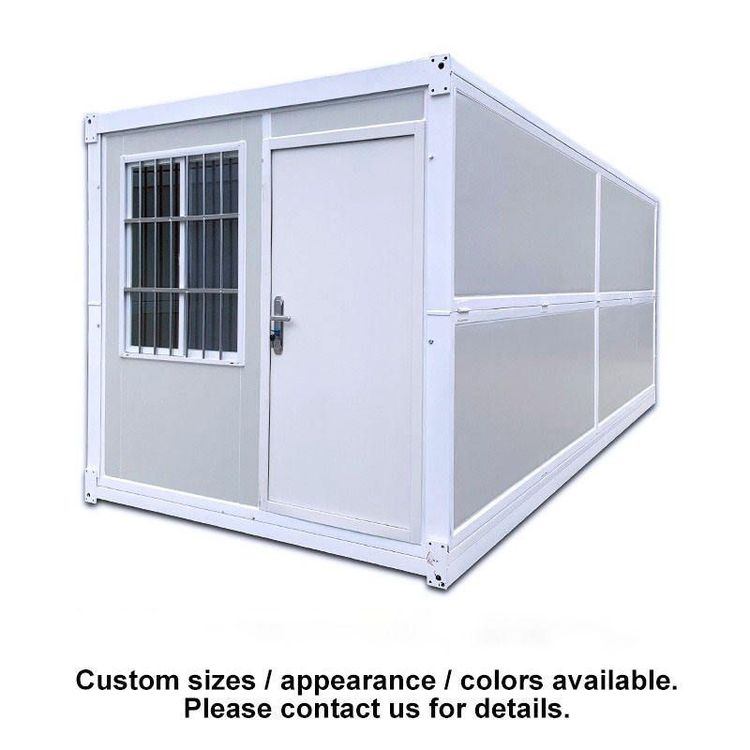
- Structural Installation: Utilizing a box-type design, these toilets support overall transportation and rapid positioning installation without the need for ground excavation or complex sewage network laying, requiring only connection to a simple septic tank or municipal sewage outlet.
- Ecological Assessment: Before installation, the potential impact of sewage disposal methods on soil and vegetation should be evaluated, such as whether microbial degradation products meet environmental standards to avoid groundwater contamination.
- Aesthetic Harmony: Materials and colors should blend with the surrounding environment. For instance, in a Gansu case, hot-dip galvanized frames, metal embossed panel walls, aluminum alloy doors, and PVC ceilings were used, paired with marble steps, ensuring durability and harmony with the natural landscape.
IV. Post-Installation Maintenance and Services
- Regular Maintenance: This includes emptying storage units, replenishing degradation agents and toilet paper, cleaning interior spaces, and inspecting mechanical and electrical systems (such as solar panel efficiency and sensor sensitivity).
- Data Feedback: The smart system encrypts and uploads operational data to cloud or local servers, allowing managers to remotely monitor equipment status and optimize parameters through long-term data accumulation, such as adjusting ventilation frequency to reduce energy consumption.
Typical Case Reference: In Gansu, two-stall mobile toilets were installed using hot-dip galvanized materials and modular design, featuring a short installation period and strong adaptability, providing a replicable template for subsequent projects.