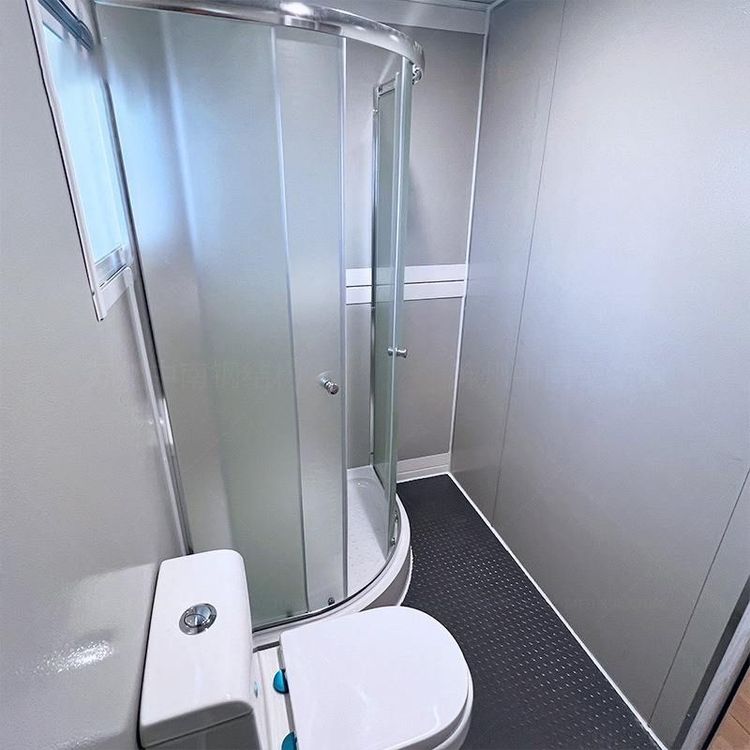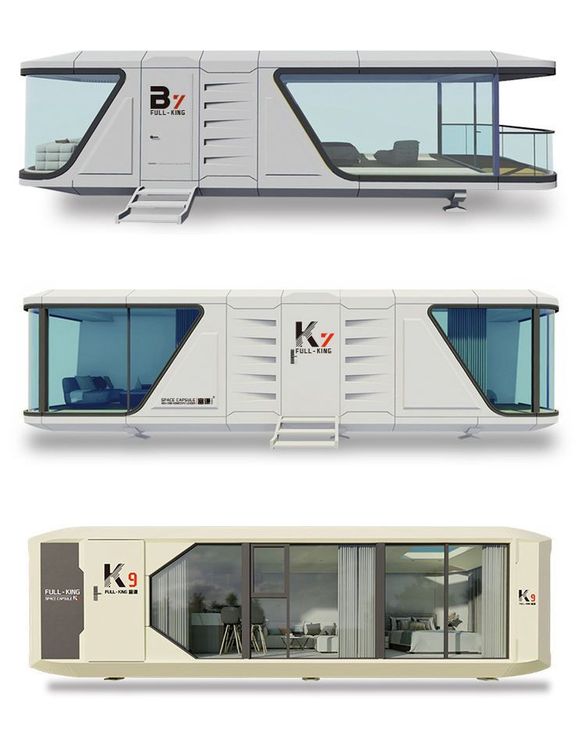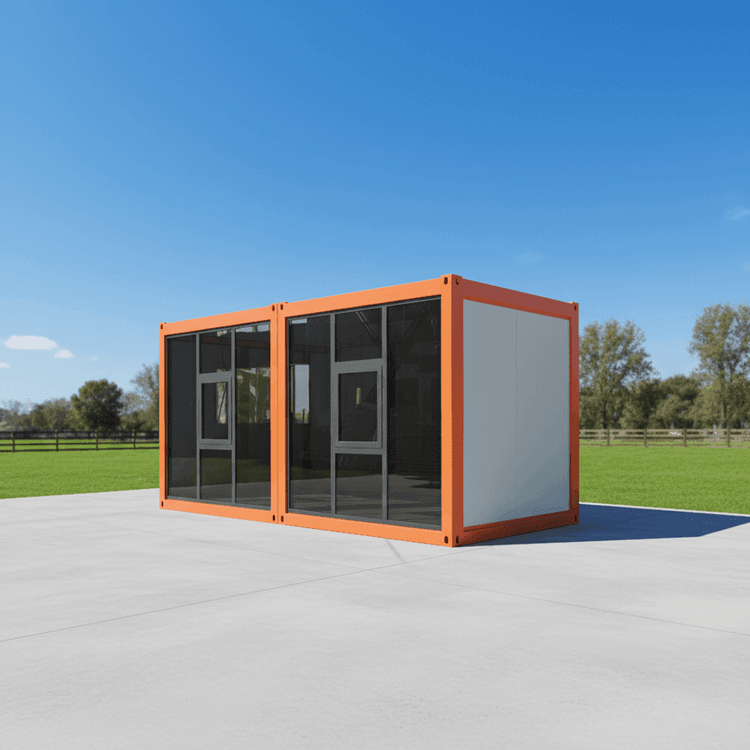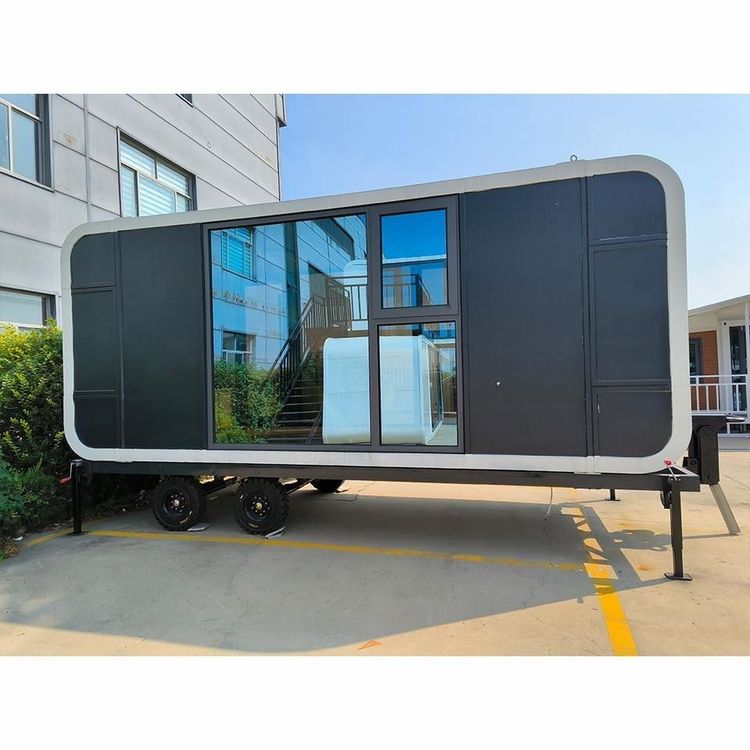
Zhangpu Scenic Area Mobile Toilet Customization
Customization of mobile toilets in Zhangpu scenic areas requires combining the environmental characteristics and functional needs of the scenic areas to achieve personalized solutions through a professional process. This can be elaborated from four aspects: customization characteristics, technical adaptation, process standardization, and manufacturer selection.
I. Customization Characteristics Should Fit the Scenic Area Environment
The customization of mobile toilets in scenic areas should be designed around usage conditions, with the core being transportability, installability, adjustability, and reusability. Different scenic area environments have specific requirements for customization directions:
- Mountainous Scenic Areas: Consider the impact of terrain slope on structural stability, use lightweight materials (such as light steel or anti-corrosion wood) to reduce lifting difficulty, and strengthen moisture-proof and anti-corrosion treatments to avoid material aging due to high humidity.
- Waterfront Wetland Scenic Areas: Strictly control sewage discharge methods, prioritize microbial degradation or packaging collection technologies to reduce water pollution; structural foundations should adopt pontoon or pile foundation designs to avoid settlement affecting usage safety.
- High-Altitude Scenic Areas: Address low-temperature environments, with fecal treatment systems needing freeze-proof functions (such as vacuum negative pressure systems), and pipeline materials should be low-temperature-resistant models to prevent freezing and cracking.
- Desert and Gobi Scenic Areas: Strengthen water-saving designs, using foam sealing or waterless packaging technologies; structures should have wind and sand resistance capabilities, such as better-sealed metal composite panel materials, and increase weather-resistant coatings to extend service life.
- Festival or Temporary Route Scenic Areas: Highlight rapid deployment and evacuation capabilities, adopt modular designs, shorten construction periods through overall lifting or on-site assembly, and adapt chassis to trailers or skid-mounted bases for easy movement.
II. Technical Adaptation Should Meet Functional Needs
Technology selection should balance environmental protection, applicability, and intelligence:
- Main Structure: Primarily use light steel, anti-corrosion wood, or metal composite panels, achieving rapid assembly through prefabricated structures; chassis designs should adapt to different scenarios, such as trailer chassis for frequent movement and fixed bases for long-term use.
- Fecal Treatment: Choose technology types based on scenic area conditions: prioritize microbial degradation or packaging collection in water-scarce areas; adopt vacuum negative pressure or foam sealing in ecologically sensitive areas to reduce pollution; configure heating devices in cold areas to prevent pipeline freezing.
- Smart Configurations: Can integrate passenger flow monitoring, overflow alarms, ammonia and temperature-humidity sensing systems to monitor usage status in real-time; use photovoltaic power supply and induction lighting to reduce energy consumption; remote operation and maintenance interfaces facilitate later maintenance and management.
III. Customization Process Should Be Standardized and Rigorous
Professional customization typically follows these steps:
- Site Survey and Demand Calculation: Combine scenic area planning, geological conditions, water and electricity supply, sewage discharge directions, and transportation routes to form a preliminary plan.
- Structural Design and Sample Confirmation: Design structural details based on environmental characteristics, produce samples for scenic area review, ensuring functionality and appearance meet requirements.
- Manufacturing and Transportation Installation: Adopt industrial production to ensure quality, consider road height and width limits during transportation, and calibrate levelness and sealing during installation.
- Commissioning and Acceptance: Test fecal treatment systems, smart devices, and structural stability, ensuring all indicators meet standards before delivery for use.
IV. Manufacturer Selection Should Focus on Experience and Qualifications
It is recommended to choose manufacturers with rich case studies and professional qualifications, such as Quanzhou Dada Traffic Engineering Co., Ltd., which has 15 years of experience in mobile toilet production. Its products are primarily steel structures, customizable in specifications, with applicable temperature ranges covering scenic area scenarios, and can provide full-process services from design to after-sales.