
Zhangjiakou Scenic Area Mobile Toilet
The mobile toilets in Zhangjiakou scenic areas are public sanitation facilities designed to adapt to local geographical characteristics, featuring convenience, hygiene, environmental protection, and intelligence.
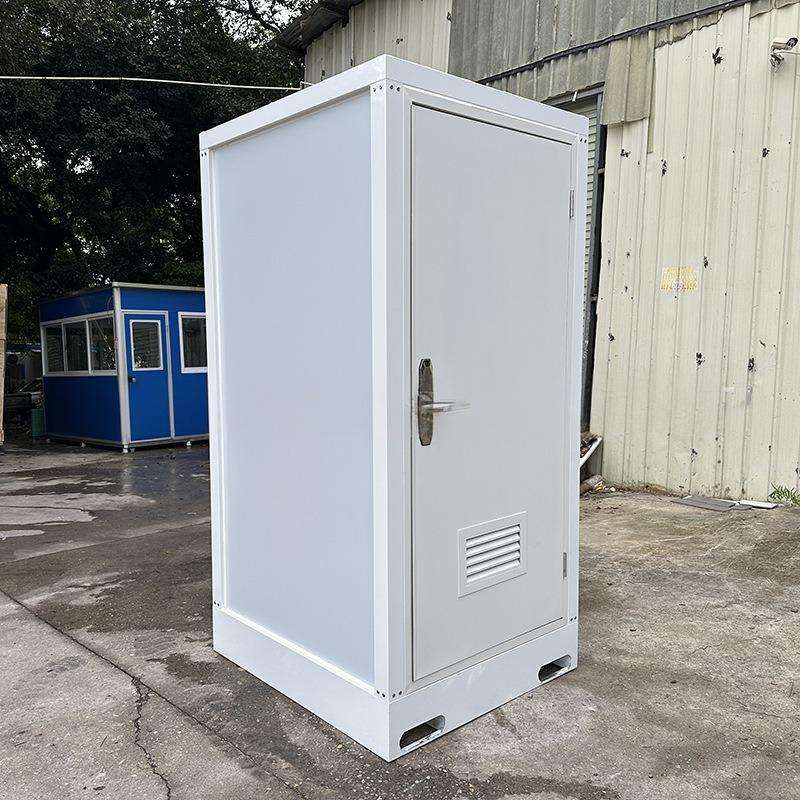
Technical Features and Design
The mobile toilets in Zhangjiakou scenic areas adopt a modular design, facilitating easy transportation and rapid installation, and can adapt to various terrains such as mountains, grasslands, and snowy areas. Technologically, they focus on efficient solid-liquid separation, microbial degradation, or vacuum negative pressure flushing systems to reduce water consumption and sewage discharge. Some products are equipped with intelligent sensing flushing, automatic deodorization, temperature control, and remote monitoring systems to ensure good hygiene even when unattended. Given that winter temperatures often drop below minus twenty degrees Celsius, freeze-proof and explosion-proof pipes, insulated walls, and heating and ice-melting devices are key configurations to ensure normal operation of the equipment in harsh climates.
Technological Evolution and Functional Upgrades
Current high-quality mobile toilets in scenic areas have transcended the scope of traditional simple dry toilets, moving towards the directions of "resource utilization, intelligence, and landscaping." For example, foam sealing technology is used to reduce odors, solar or wind power is utilized for off-grid operation, and cloud platforms are employed for real-time monitoring of usage frequency, consumable levels, and equipment failures, enhancing management efficiency. The application of prefabricated building techniques allows the appearance of the toilets to blend with the scenic area's landscape, such as using wood grain finishes or simulated stone materials to reduce visual conflicts.
Distribution and Site Selection Principles
The distribution and site selection of mobile toilets follow the principle of being guided by tourist needs. They are typically located in buffer zones at the main entrances of scenic areas, popular viewpoints or人流集散地 (tourist gathering areas) near core attractions, rest stops or midway points on walking trails far from fixed restrooms along sightseeing routes, and near large parking lots or transportation hubs.
Appearance and Environmental Integration
The appearance emphasizes integration with the surrounding environment. For example, in the Bashang Grassland area, earthy color schemes such as green and brown are often used, with designs mimicking rustic forms like wooden houses. In mountainous and forested areas, simpler dark tones are adopted to avoid overly bright and jarring colors.
Response to Seasonal Tourist Flow Fluctuations
Mobile toilets have flexible deployment capabilities. During the off-season, some units can be withdrawn for centralized maintenance, while before the peak season, additional units can be pre-deployed in key areas based on tourist flow predictions, effectively alleviating the pressure of long queues at fixed restrooms.



