
Advantages of Mobile Toilets in Zhangjiakou
The advantages of mobile toilets in Zhangjiakou are mainly reflected in mobility and temporariness, adaptability to specific scenarios, material and structural design, environmental protection and sustainability, cost-effectiveness, and convenience.
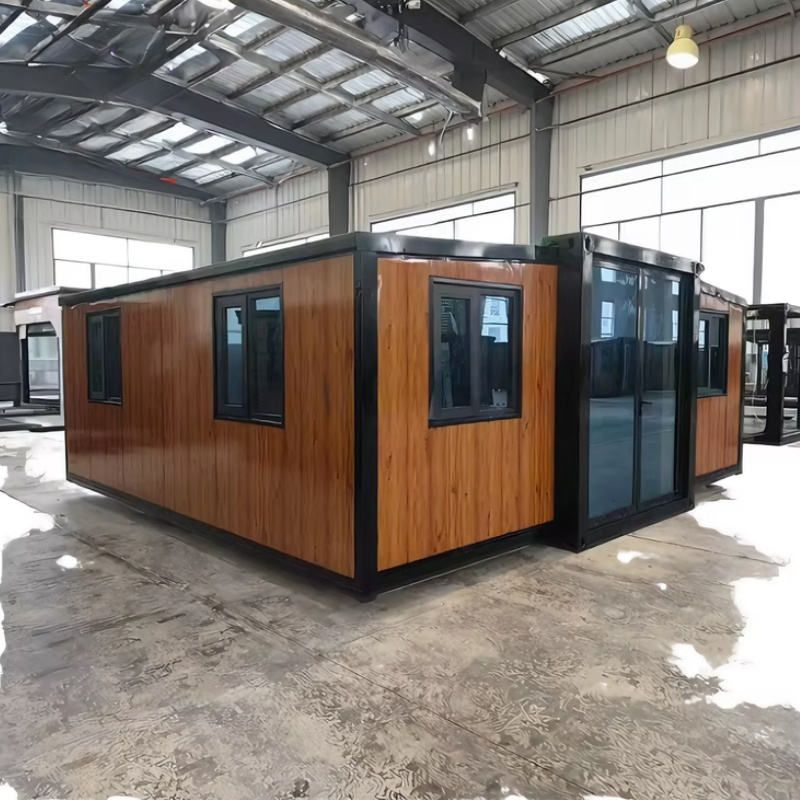
Mobility and Temporariness: The overall structure of mobile toilets in Zhangjiakou facilitates easy transportation and installation. They do not rely on fixed sewage discharge pipes or water supply systems, and their service periods are flexible, allowing for deployment and removal according to demand periods. They can quickly respond to sanitation needs in various scenarios.
Adaptability to Specific Scenarios: In outdoor short-term large-scale events, such as sports events and cultural gatherings, where participants are densely packed and time is concentrated, fixed public sanitation facilities often have insufficient capacity. Renting mobile toilets can quickly add more units, alleviating long queues. In construction sites or temporary work areas lacking professional sanitation facilities, they can provide basic sanitation guarantees. In areas with a surge in tourist numbers during peak seasons, they can be temporarily added as emergency supplements. In environmentally sensitive areas, specially designed mobile toilets can achieve waste collection and treatment, reducing interference with the ecological environment.
Advantages in Material and Structural Design: They are usually made of high-strength composite materials or metal frames, with good weather resistance and corrosion resistance. The structure emphasizes lightweight and modular design, enabling quick installation within a short time through prefabricated components without complex foundation works. The internal layout is compact, equipped with water-saving flushing systems, sinks, and ventilation devices. Some models also integrate solar power supply systems, offering greater flexibility than traditional restrooms.
Environmental Protection and Sustainability: They focus on resource conservation and waste treatment. Many adopt biodegradation technology or circulating water systems to reduce water consumption. Built-in water storage devices enable self-sufficiency, making them practical in water-scarce areas. Material selection considers recyclability, with some using recycled plastics or aluminum alloys. After their service life ends, they can be recycled and relocated for reuse, avoiding resource waste.
Cost-effectiveness: They are inexpensive to manufacture, of good quality, and have a long service life. For long-term rentals in some temporary demand scenarios, they may have a cost advantage over building simple fixed facilities. However, the total cost of long-term rentals may approach or exceed the investment in building simple fixed facilities, requiring cost comparisons.
Convenience: They can be moved anywhere at any time and can also be folded, making it easy to meet unexpected needs. In large-scale events, tourist attractions, or construction sites, they can quickly provide sanitation services, whereas traditional restrooms require long-term planning and construction.



