Zhangjiajie Design Container House
The design of container houses in Zhangjiajie embodies a unique concept that integrates nature and modernity, featuring modularity, eco-friendliness, visual harmony, modern comfort, and smart technology applications.
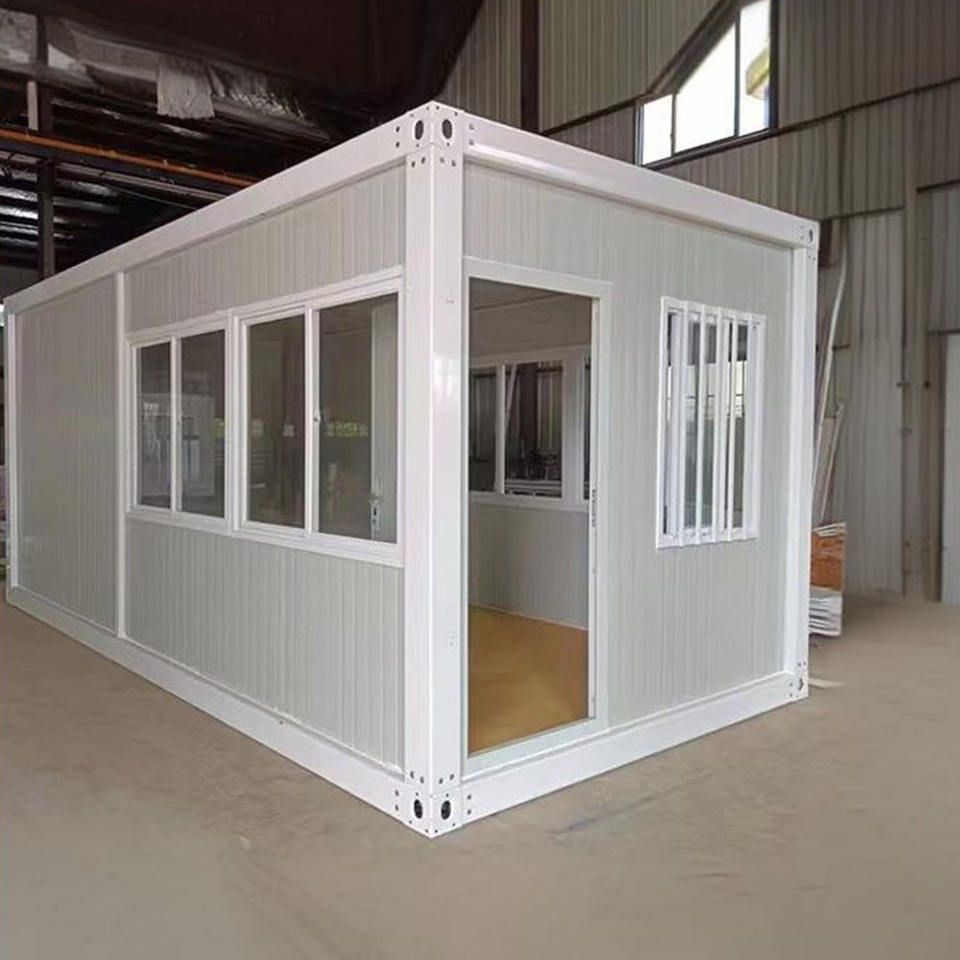
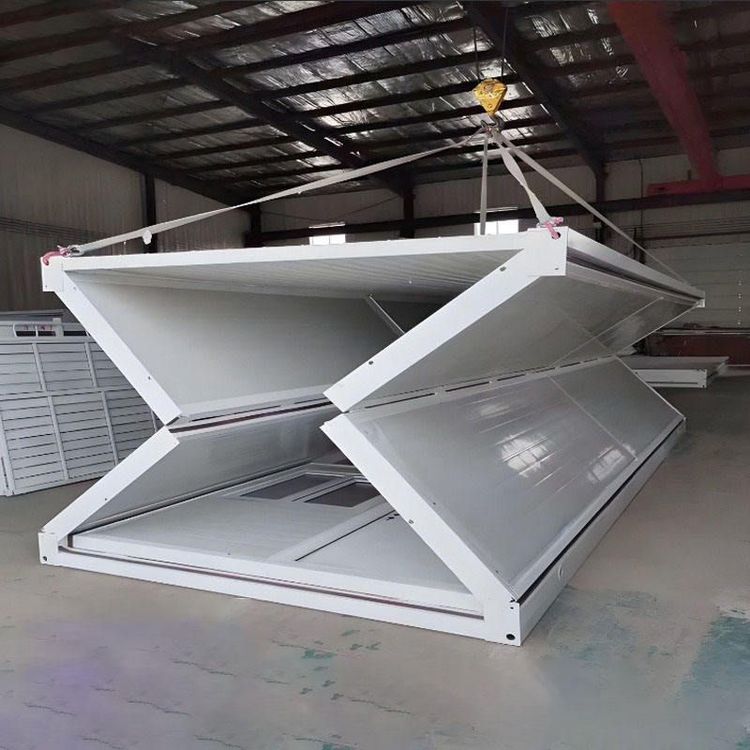
Modularity and Prefabrication: Container houses use standard-sized container structures as basic modules. The main structure and basic interior decoration are completed in the factory, and then transported to the site for rapid assembly. This approach significantly reduces construction site occupation and environmental disturbance caused by traditional building methods, improving construction efficiency and lowering costs.
Eco-Friendly Design: Container houses adopt a point-support foundation, avoiding large-scale foundation excavation and reducing damage to soil structure. Modular transportation and lifting methods minimize the cutting of vegetation by construction access roads, protecting the ecological environment. Additionally, the building can be relocated as a whole, realizing the lightweight intervention concept of 'arriving amidst a landscape and leaving it unchanged,' reflecting respect and protection for nature.
Visual Harmony and Landscape Interaction: The exterior of container houses uses dark gray, dark green, or earth-tone colors to blend with the mountainous background, reducing visual impact. By stacking and combining in a staggered manner, the boxy feel of containers is broken, creating layers that echo the mountain terrain and enhancing the interaction between the building and nature. Large glass curtain walls bring natural landscapes into the interior, providing an immersive experience of 'scenery outside the window and inside the room,' enhancing living comfort.
Modern Comfort and Living Guarantee: Container houses use efficient thermal insulation materials to cope with temperature variations in mountainous areas, ensuring a comfortable indoor temperature. Modern facilities such as integrated bathrooms, smart lighting control systems, and stable water and power supply solutions meet the needs of modern life. The interior space is cleverly laid out and furnished to create a spacious and livable environment within limited space.
Smart Technology Applications: Some container house projects have photovoltaic films on their exterior walls to meet their own power needs and charge visitors' devices, demonstrating the application of green energy. RFID technology enables seamless integration between service spaces and the visitor experience, enhancing convenience and satisfaction for tourists.