Yunneng Mobile Toilet
The Yunneng mobile toilet is an environmentally friendly mobile toilet that integrates advanced technologies such as the Internet of Things (IoT) and intelligent management. It features eco-friendly waste treatment, integrated smart facilities, water and energy conservation, flexible deployment, and user-friendly design.

Eco-Friendly and Efficient Waste Treatment
The Yunneng mobile toilet collects urine and feces separately and uses IoT and microbial technology to convert waste into harmless organic fertilizer, which can be directly transported to farms or planting bases for resource recycling. Some models are equipped with MBR membrane bioreactors to purify wastewater to reclaimed water standards, reducing environmental pollution.Smart Facilities Enhance User Experience
The toilet is equipped with smart odor and bacteria removal machines and sensor devices that automatically detect human activity and adjust the environment accordingly. The guidance system displays real-time information on toilet availability, visitor count, temperature, humidity, and ammonia concentration on large screens, helping users quickly locate available toilets. IoT sensors monitor usage frequency, water tank levels, etc., supporting remote management platforms for scheduling maintenance and reducing operational costs.Integrated Water and Energy Conservation Technologies
Using vacuum suction technology, the toilet consumes only 0.3-0.5 liters of water per use, saving over 90% compared to traditional public toilets. Biodegradation technology eliminates the need for flushing, further reducing water consumption. Some models are equipped with solar panels to meet lighting and ventilation power needs, enabling off-grid operation and reducing energy consumption.Rapid Deployment and Flexible Mobility
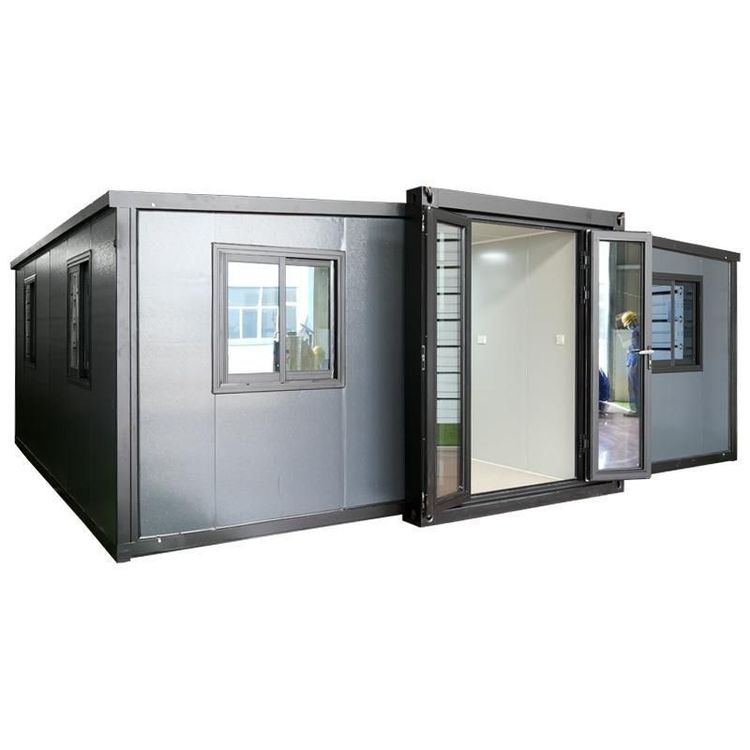
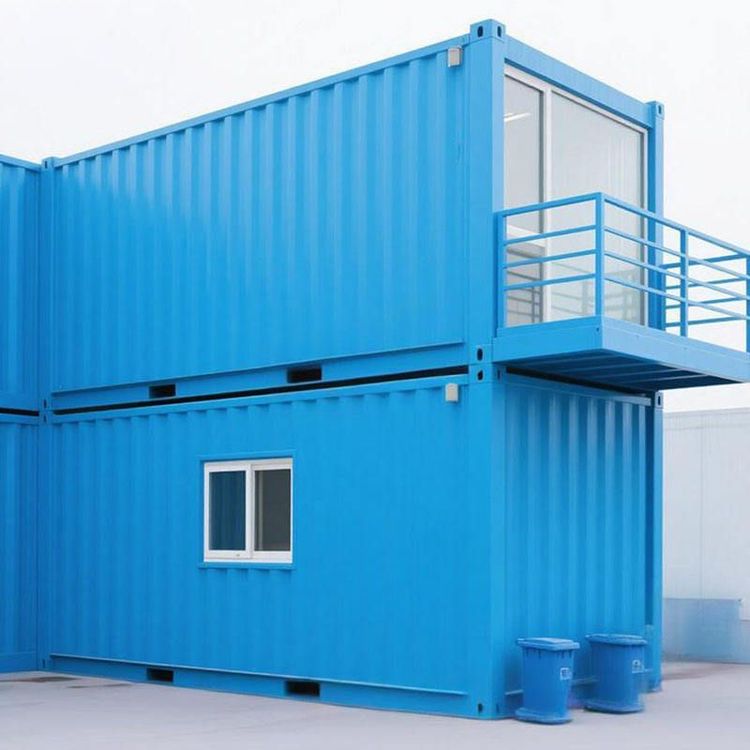
The modular steel structure box design allows for installation by lifting vehicles within 2 hours, making it suitable for emergency scenarios (such as disaster relief and large-scale events). Some models feature self-propelled chassis, enabling movement without external equipment. In special cases, they can be towed away at any time without disassembly, enhancing flexibility in use.User-Friendly Design Meets Diverse Needs
The toilet includes barrier-free spaces (≥1.5m×1.5m) and tactile guide paths for the visually impaired, facilitating use by disabled individuals. A constant-temperature ventilation system (ventilation rate ≥20m³/h) and smart sensor lighting (illuminance ≥150lux) enhance comfort. Independent restrooms feature baby care stations, dedicated母婴 care areas, automatic sensor sinks, shared power banks, and other amenities. Some public toilets also include convenience stores, expanding public service functions.