
Precautions for Mobile Toilets in Yunnan
The following precautions should be taken for the use and management of mobile toilets in Yunnan:
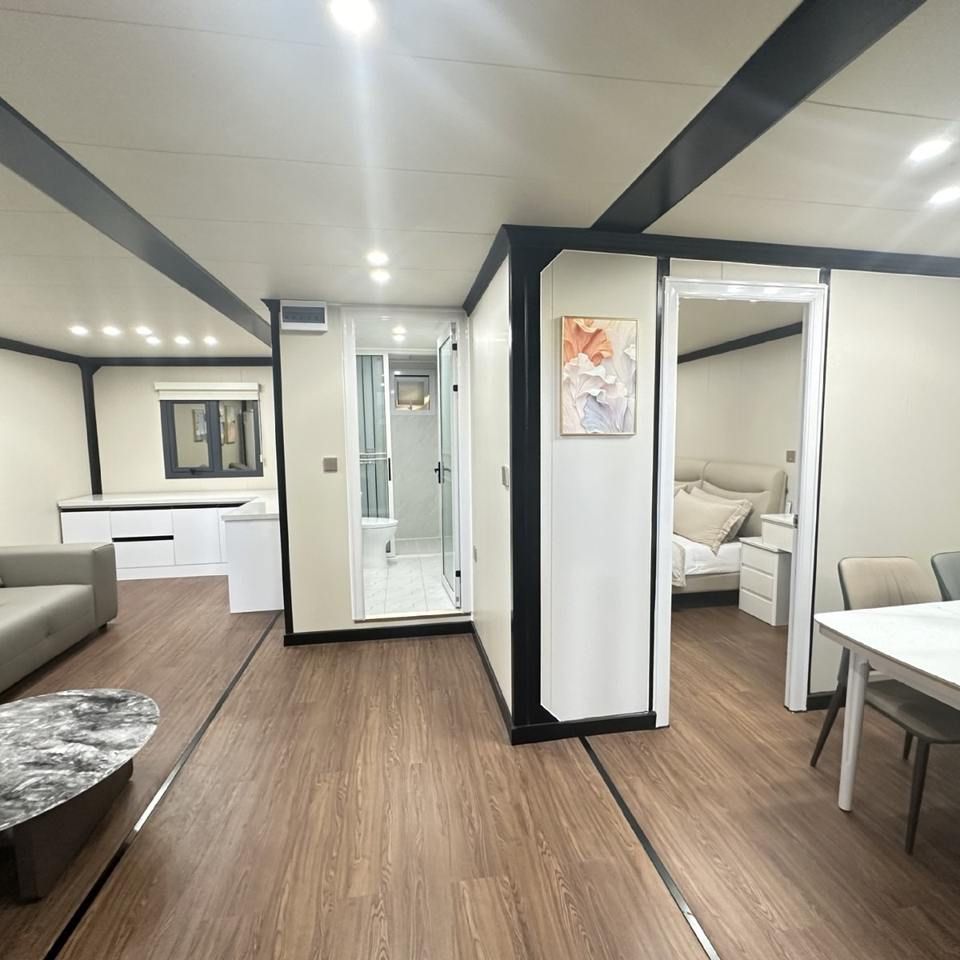
Before use: Before entering a mobile toilet, observe whether someone is already using it to avoid awkward situations or conflicts caused by forcing the door open. At the same time, check whether the internal facilities are intact, including whether the door lock can close properly, whether the flushing device is responsive, and whether the hand-washing equipment (such as faucets and soap dispensers) functions normally. If any facilities are found to be damaged, contact the management personnel promptly for handling. Do not force their use.
During use: Strictly follow the usage instructions to operate the equipment. For example, avoid applying excessive force when pressing the flush button to prevent it from malfunctioning. When using a waterless foam-flushing mobile toilet, do not throw items such as toilet paper and plastic bags into the toilet bowl to avoid clogging the pipes. At the same time, maintain internal hygiene by disposing of waste in designated trash bins, flushing or cleaning the toilet bowl promptly after use to avoid leaving stains. Since the water resources in water-flushing mobile toilets are limited, control the flushing time to avoid wasting water due to prolonged flushing.
After use: Before leaving, ensure that the doors and windows are fully closed to prevent the spread of odors or the entry of insects. If problems such as damaged facilities (e.g., a faulty door lock or ineffective flushing), sewage leakage, or severe odors are found, contact the management personnel immediately to prevent the problems from worsening and affecting subsequent use.
Daily maintenance and management: The daily cleaning of mobile toilets should be carried out by dedicated personnel. Use environmentally friendly cleaning agents to wipe surfaces, clean up trash, and disinfect equipment. The cleaning frequency should be adjusted according to the usage volume, and it may be required as often as once an hour during peak periods. Regular inspections and maintenance should involve mechanical components (such as flush valves), pipes (such as sewage pipes), and electrical systems (such as lighting and exhaust fans) to prevent malfunctions. Waste disposal should be carried out by professional services. When the fecal storage tank is full, it should be pumped out by a fecal suction truck and transported to a designated treatment station to ensure no leakage or odor pollution. The operator should establish standardized procedures, including personnel training, maintenance log recording, and user feedback handling, to ensure the long-term stable operation of the equipment.
You may also like

Portable Toilet Eco-Friendly: MOQ, Samples & Quotation Guide
Read More
Top Portable Toilet Color Steel Manufacturers: How to Choose a Factory Partner
Read MorePortable Toilet Picture: Types, Features & Buying Tips
Read More