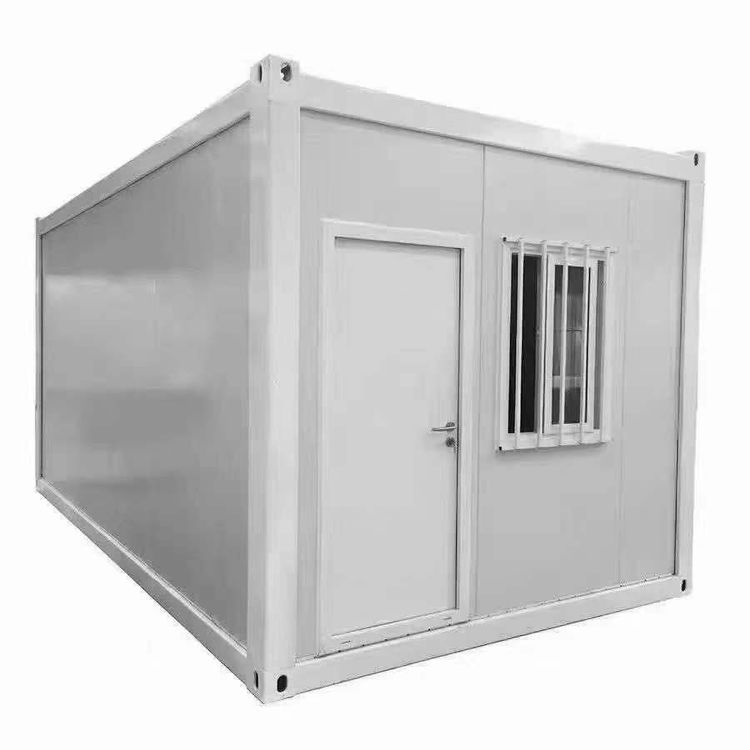
Yunfu Mobile Toilet Rental
The mobile toilet rental service in Yunfu City can follow a general model, covering equipment supply, installation and maintenance, and technical adaptation. The following provides an explanation from four aspects: service process, equipment features, site adaptation, and technological development.

Standardized Service Process
Mobile toilet rental services typically follow a main process of 'demand assessment - site survey - transportation and installation - maintenance management'. Service providers first determine equipment specifications and quantities based on the number of users, duration, and site conditions (such as ground flatness and water and electricity access points). For example, construction sites require row layouts connected to temporary sewage networks, while outdoor events prioritize independent designs equipped with self-contained power generation systems. Equipment transportation adopts modular loading solutions, and the installation phase involves completing standardized tasks such as base fixation, pipe connection, and water and electricity access to ensure rapid deployment. During use, regular cleaning, consumable replenishment, and troubleshooting services are provided. For example, foam-flush toilets require daily replenishment of foam solution and inspection of foam generation devices.
Integrated Equipment Technology
The main frame of mobile toilets is mostly made of high-strength composite materials, featuring lightweight, corrosion resistance, and rapid assembly and disassembly. The weight of a single toilet unit can be controlled within 200kg. The waste storage system achieves waste conversion through biological degradation (adding microbial agents) or chemical treatment (adding deodorizers), and is equipped with negative pressure ventilation devices to continuously expel odors, ensuring that the internal air quality meets standards. Water-saving technology is a core advantage, with a single flush using as little as 0.5L of water (traditional toilets use 6-8L). Some models are equipped with solar power systems to reduce reliance on external power sources. The intelligent control system can monitor toilet usage status, consumable levels, and equipment failures in real-time, and send warning messages through an IoT platform.
Differentiated Site Adaptation
Customized solutions are provided for different scenarios: short-term events such as outdoor music festivals use foam-flush toilets, utilizing foam layers to block odors and reduce flush water volume, with toilet spacing meeting crowd evacuation requirements; construction sites prioritize row-style toilets, which centrally process waste through temporary sewage networks to reduce cleaning frequency; fixed venues such as scenic spots and shopping malls can be upgraded to enhanced units with air conditioning systems to improve user experience. Barrier-free design is an important consideration, requiring the installation of ramps, handrails, and dedicated toilet units, with aisles no less than 0.9m wide.
Sustainable Technological Development
The application of new materials extends the lifespan of the toilet units to over 10 years, with anti-UV coatings resisting long-term outdoor exposure. Water-saving technology continues to iterate, with some models achieving 'zero-water' designs, replacing traditional flushing with vacuum suction or packaged waste storage systems. The intelligent operation and maintenance system enables remote monitoring through sensor networks. For example, a service provider's cloud platform can simultaneously manage 500 toilet units, with a fault response time shortened to within 2 hours.