
Yuncheng Dry Toilet Mobile Toilet
There is a situation of transforming dry toilets into mobile toilets in rural areas of Yuncheng, with relevant enterprises providing transformation products, but there is also the problem of newly-built toilets being 'built but not used'.
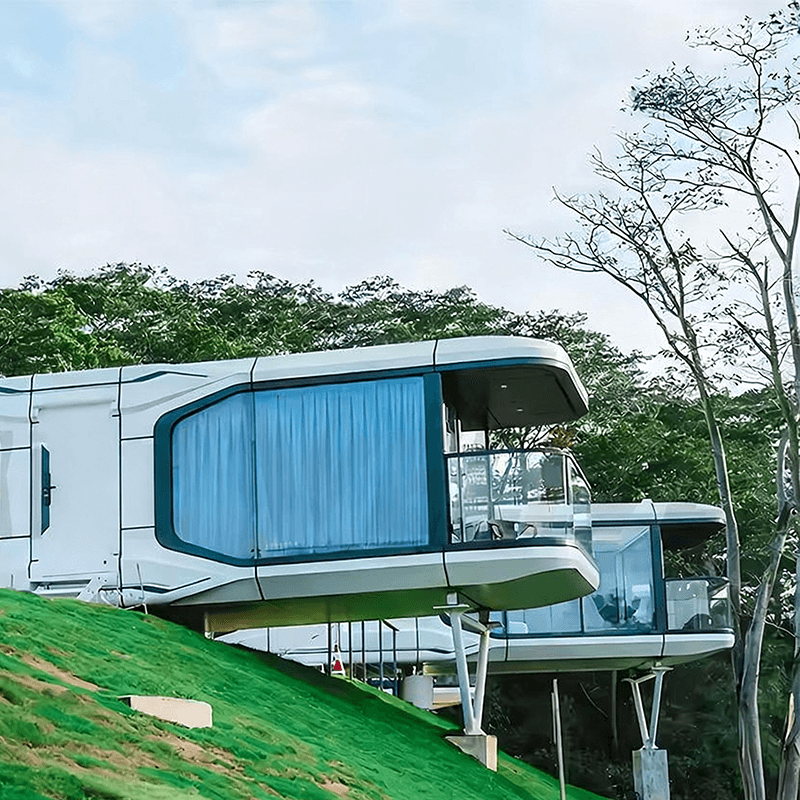
I. Transformation Product Situation Cangzhou Hengtai Sanitation Equipment Co., Ltd. provides mobile toilet and dry toilet transformation services for rural areas in Yuncheng, launching products such as water-flush and simple eco-friendly restrooms. Among them, the product models include htcs - 530, htcs - 528, etc. Taking the htcs - 528 model as an example, it has the characteristic of being customizable and can be produced according to different needs. It operates on a voltage of 220V and has dimensions of 120015003000, belonging to the category of eco-friendly mobile toilets. This product has a wide applicable temperature range and can function normally in environments from -30℃ to 40℃. There is a rich selection of materials, including color steel plates, metal carved plates, anti-corrosion wood, and aluminum-plastic plates. Different materials have different characteristics; color steel plates are sturdy and durable, metal carved plates are aesthetically pleasing, anti-corrosion wood is natural and eco-friendly, and aluminum-plastic plates are lightweight and easy to install, meeting the needs of different scenarios and users.
II. Problems with Newly-Built Toilets CCTV has exposed the phenomenon of newly-built toilets in rural areas of Yuncheng being 'built but not used'. For example, in rural areas of Jixian County, Yuncheng, Shanxi, the new public toilets have their doors locked and are only opened during leadership inspections. Village officials claim that the villagers have low quality and do not flush the toilets after use. The emergence of this problem reflects deficiencies in the management and use of newly-built toilets. On the one hand, there may be a lack of effective management and maintenance mechanisms, leading to poor sanitary conditions in the toilets and affecting the villagers' enthusiasm for using them. On the other hand, there is insufficient guidance and publicity and education for the villagers on toilet use, failing to make them fully aware of the importance of using the toilets correctly, resulting in uncivilized behaviors such as not flushing. These problems not only cause a waste of resources but also affect the actual effectiveness of the rural toilet transformation project and the improvement of the rural environment.



