Back to blog
Article
How About Yumen Container Houses
Admin September 15, 2026
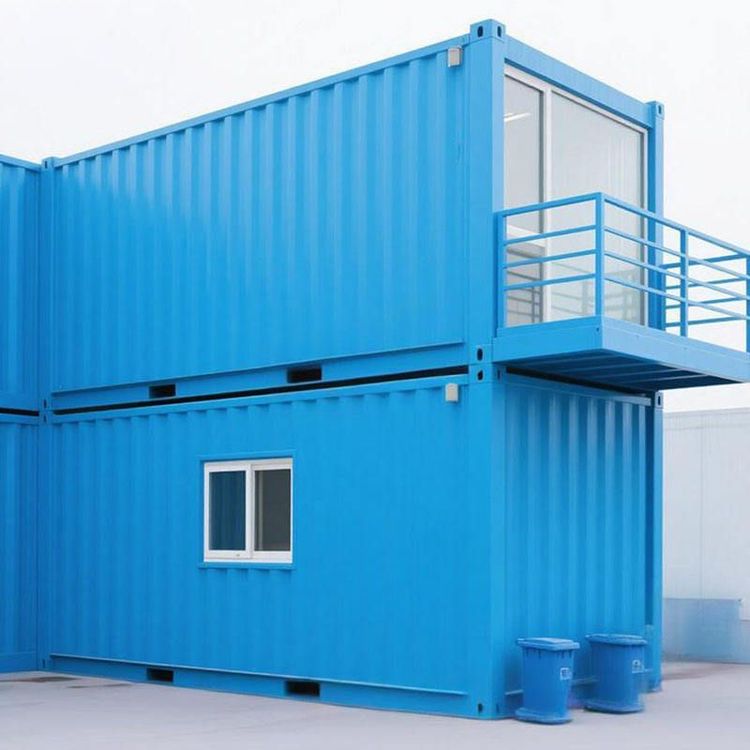
Yumen container houses offer numerous advantages such as mobility, reusability, sturdy structure, easy installation, low cost, environmental friendliness, and flexibility. However, they also have some drawbacks, such as varying thermal and sound insulation performance depending on the product. Overall, they are a practical and efficient form of construction. Here is a detailed introduction:

I. Structural and Performance Advantages
- Sturdy and Durable: Made by welding special steel sections, they have high structural strength, strong earthquake and deformation resistance, and can withstand harsh weather and natural disasters, ensuring living safety.
- Easy Installation: Produced in factories with modular design, the boxes are connected by bolts, enabling quick installation, especially suitable for units that frequently change construction sites.
- Convenient Transportation: Composed entirely of steel, they have high strength and are not easily damaged by external forces during transportation. They also have good pressure resistance, wear resistance, impact resistance, and moisture resistance.
II. Functional and Spatial Advantages
- Flexible Space: They can form spacious usage spaces through different combinations in horizontal and vertical directions. Vertical stacking is possible to meet various needs such as office, accommodation, and storage.
- Diverse Functions: The ground floor can be divided into a warehouse area, dining area, and kitchen and bathroom area. The internal space can be flexibly divided according to needs, with strong adaptability.
- Foundation-Free Design: Saves on foundation and civil construction costs while having good waterproof, wind-resistant, rain-resistant, and cold-resistant properties.
III. Economic and Environmental Advantages
- Low Cost: Compared to traditional buildings, container houses have lower construction costs and can be reused, reducing long-term usage costs.
- Low-Carbon and Environmentally Friendly: They generate less construction waste during the building process, and the materials can be recycled, aligning with the concept of green buildings.
- Rapid Construction: They can be built faster than traditional buildings, saving a significant amount of time and suitable for emergency housing needs.
IV. Drawbacks and Precautions
- Thermal Insulation Differences: The thermal insulation performance of low-end products may be insufficient. It is necessary to choose products from reliable manufacturers.
- Sound Insulation Issues: Metal materials have good sound transmission effects, and additional sound insulation treatment may be required.
- Environmental Adaptability: Their service life may be shortened in humid environments, and anti-corrosion treatment is necessary.
Related