
Back to blog
Article
Yueyang Mobile Toilet Franchise
Admin October 08, 2026
No direct public information related to 'Yueyang Mobile Toilet Franchise' has been found, but key steps and considerations for franchising a mobile toilet project from an industry-wide perspective can be provided.
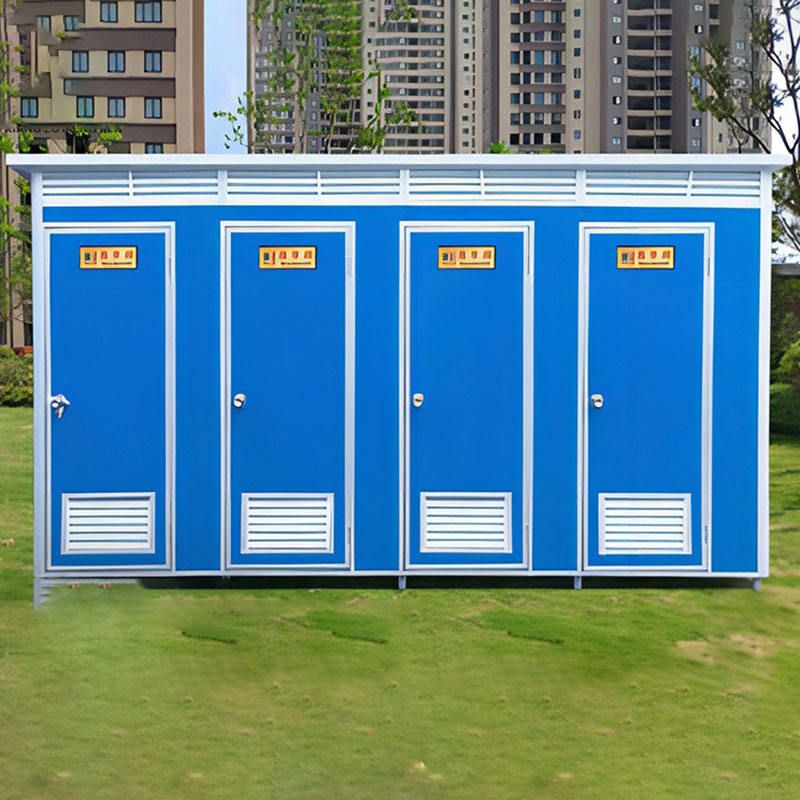
1. Clarify Franchise Model and Brand Selection
Mobile toilet franchising typically falls into two models: Brand Authorization Franchising (using the technology, products, and operational system of an established brand) and Regional Agency Cooperation (obtaining exclusive rights for product sales or services in a specific region). When selecting a brand, focus on evaluating the following:
- Brand Qualifications: Verify whether the enterprise possesses environmental protection equipment production qualifications, relevant patents or certifications for mobile toilets (such as ISO environmental management system certification), to avoid franchising with unqualified workshops.
- Product Types: Choose product types based on target market demands. For example, scenic spots require lightweight and portable ecological toilets, construction sites need durable container toilets, and rural areas require low-cost septic tank toilets.
- Support Policies: Understand whether the brand provides technical training, installation guidance, after-sales maintenance, and other support, especially whether there is a service team in Yueyang to reduce operational risks.
2. Market Research and Demand Analysis
- Target Scenarios: As a tourist city, Yueyang has a high demand for mobile toilets in scenic spots, parks, and transportation hubs. Additionally, rural toilet renovation projects and temporary events (such as exhibitions and concerts) are also potential markets.
- Competition Situation: Investigate whether there are other mobile toilet suppliers in Yueyang, analyze their product pricing and service models, and avoid homogeneous competition.
- Policy Support: Pay attention to local environmental protection policies in Yueyang, such as whether there are subsidies for public toilet construction or tax incentives for promoting environmental protection equipment.
3. Cost and Revenue Assessment
- Initial Investment: Includes franchise fees, equipment procurement costs (the price of a single mobile toilet ranges from several thousand to tens of thousands of yuan), transportation and installation fees, and site rental fees (if a self-built service point is required).
- Operational Costs: Cover cleaning and maintenance, consumable replacement (such as toilet paper and disinfectant), equipment depreciation, and personnel salaries.
- Revenue Sources: Mainly come from equipment rental or sales, advertising cooperation (such as advertising on toilet exteriors), and government purchase of services (such as participating in rural toilet renovation projects).
4. Risk Prevention and Control
- Contract Terms: Carefully review the franchise contract to clarify the rights and responsibilities of the brand and the franchisee, such as equipment maintenance responsibilities, regional protection scope, and exit mechanisms.
- Quality Control: Require the brand to provide product quality inspection reports to avoid customer complaints or legal disputes due to quality issues.
- Emergency Plan: Develop response plans for equipment failures, customer complaints, and other emergencies to ensure service continuity.



