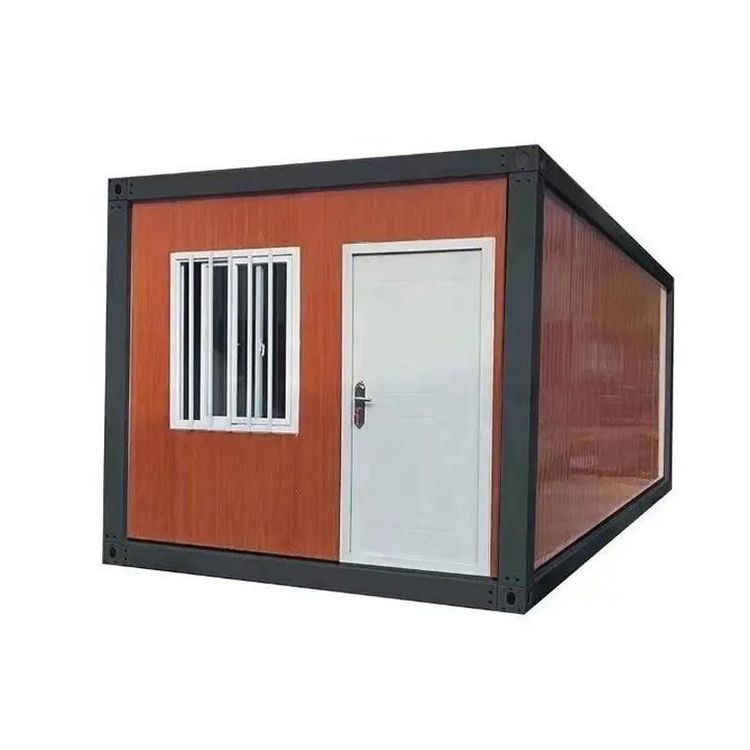
Yucheng Container Renovated Housing
Yucheng container renovated housing is mainly used to create characteristic blocks, cultural tourism projects, and commercial shops, becoming an innovative carrier for revitalizing idle resources and activating urban and rural consumption.

I. Urban Cultural Tourism Innovation: The 'Traffic Code' of Container Blocks
The 'Ten-Mile Fireworks Characteristic Block' in Yucheng is a typical example of container renovated housing. Using abandoned containers as carriers, the block creates a characteristic architectural complex through staggered arrangements and style integration (industrial style, Southeast Asian style, etc.), forming a consumption scene that combines dining, leisure, and entertainment. For example, the block features open-air lawn campsites and container lantern decorations, offering services such as tea brewing around a stove, barbecues, and light dining. With significant characteristics of the nighttime economy, it has become a '网红打卡地' (internet-famous check-in spot) for young people. This model achieves the dual goals of revitalizing idle sites at low cost and upgrading consumption.
II. Rural Cultural Tourism Integration: Container Shops Activate 'Dormant Resources'
In the rural sector, Chaizhuang Village in Shiliwang Hui Township, Yucheng City, promotes the integration of scenic spots and villages through container renovation. The village has built 37 stylish container shops using idle homesteads and vacant land, forming a characteristic commercial street in combination with the 'micro-renovation' of farmhouses. The project not only provides food and entertainment services but also expands into outdoor weddings, stargazing camping, and other business formats, achieving comprehensive benefits in 'food, tourism, accommodation, and production'. For example, the integration of container shops with rural courtyards creates a picturesque rural landscape. At the same time, through the 'enterprise + village collective + villagers' model, it drives employment and collective income growth, becoming a demonstration case for rural revitalization.
III. Policy and Industrial Support: The Sustainability of Container Renovation
Yucheng's container renovation projects benefit from policy support and industrial collaboration. For example, Shandong Province encourages green logistics policies such as container rail-sea intermodal transportation, indirectly providing background support for container recycling. Local renewable resource enterprises (such as Zhenhua Renewable Resources) supply low-cost building materials for renovation projects by recycling containers and prefabricated houses from construction sites, forming a closed-loop industrial chain of 'demolition - recycling - reuse'. In addition, the 'low-cost, quick-return' characteristics of container blocks make them a transitional commercial form in urban renewal, combining creativity and practicality.