
Youyu Mobile Toilet Installation
The installation process of mobile toilets in Youyu is usually simple and quick, with the following specific steps:
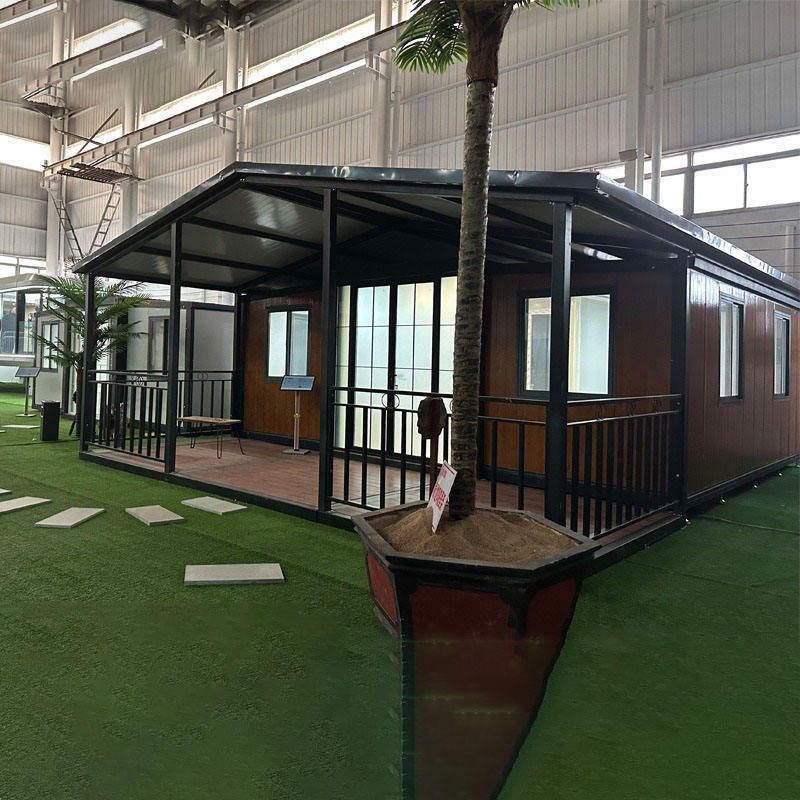
Location and Site Preparation
Before installation, plan the site location according to usage requirements, prioritizing areas with solid ground and smooth drainage. If the ground is uneven, it should be hardened or leveled in advance to ensure the stability of the chassis after placement. The drainage design should be based on the type of toilet (such as direct-discharge or fecal-storage types) to avoid water accumulation or odor backflow.Chassis and Frame Installation
Use a forklift or manual labor to place the prefabricated steel chassis steadily at the predetermined location. Adjust the chassis to a level state using a spirit level to prevent tilting during subsequent wall installation. The chassis is usually equipped with anti-slip features, and the slots should be checked for integrity to provide a foundation for subsequent wall panel fixation.Wall and Roof Panel Assembly
Wall panels are mostly made of sandwich panel material, which is lightweight, heat-insulating, and moisture-proof. During installation, insert the wall panels sequentially into the chassis slots and secure them with bolts or clips to ensure tight connections. After roof panel installation, perform sealing treatment using waterproof glue or sealing strips to fill gaps and prevent rainwater leakage. For integrated mobile toilets (such as container-type toilets), the wall and roof panels are pre-assembled in the factory, and only hoisting and positioning are required on-site, significantly shortening the installation time.Internal Facility Connection and Debugging
When installing partitions, toilets, flushing systems, sinks, and other facilities, strictly follow the layout diagram of water and electricity pipelines. Modular water and electricity interfaces (such as quick connectors) can simplify operations, but the tightness of the pipelines should be checked after connection to avoid water leakage. Lighting and ventilation equipment should be tested separately to ensure circuit safety. For integrated toilets, since the equipment is already integrated, only external water and electricity and sewage pipelines need to be connected on-site, making the debugging process more efficient.Function Inspection and Acceptance
After installation is complete, conduct a comprehensive test: check the water pressure and drainage speed of the flushing system; test the voltage stability and switch sensitivity of the electrical circuit; and perform a simulated rainfall or water-pouring test for sealing inspection to ensure no leakage. The focus of acceptance for integrated toilets is on the proper connection of water and electricity interfaces and sewage pipelines.
Overall installation time: It takes about 4-6 hours for ordinary mobile toilets and only 2-4 hours for integrated toilets, with the specific duration depending on site conditions, equipment complexity, and personnel proficiency.



