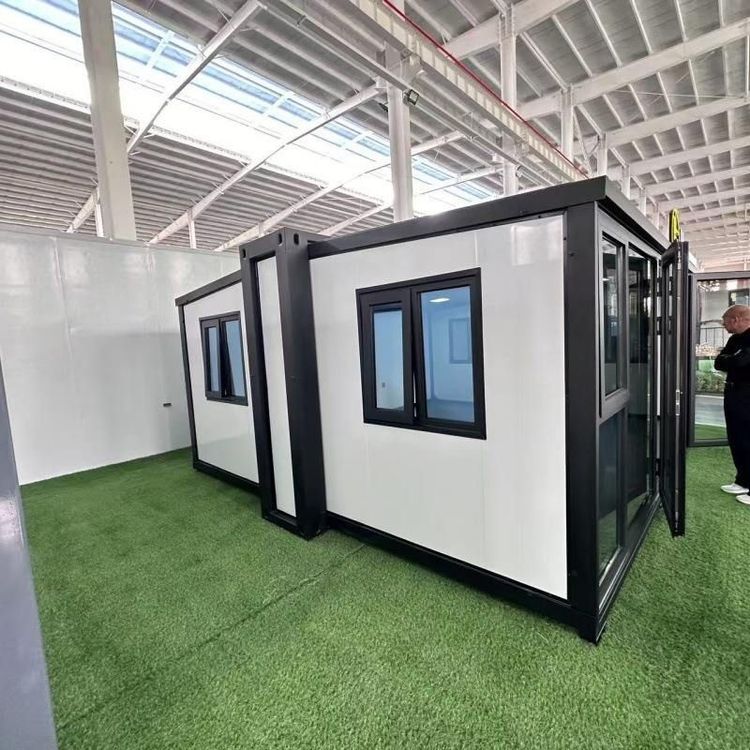
Yongzhou Mobile Toilet Layout
The layout designs of mobile toilets in Yongzhou are diverse, mainly divided into two types: scenic area mobile toilets and general-purpose mobile toilets, with the following specific features:

The layout design of scenic area mobile toilets emphasizes adaptability to the surrounding environment. They adopt a modular structure that can be customized according to the style requirements of different scenic spots. In terms of appearance, they can be designed in the style of ancient eaves, blending with ancient architectural complexes or natural landscapes to reflect traditional cultural charm; or they can adopt a modern minimalist style, using simple lines and geometric shapes to match modern themed scenic spots or urban parks. Regarding internal configurations, they are equipped with a constant-temperature ventilation system that maintains an appropriate toilet temperature through intelligent temperature control, avoiding cold in winter or stuffiness in summer; an intelligent induction flushing device that automatically recognizes usage status, reducing contact contamination and saving water; and the floor is laid with anti-slip materials to reduce the risk of slipping on wet floors after rain or cleaning, enhancing usage safety.
The layout design of general-purpose mobile toilets focuses on functionality and practicality. The structure consists of five main parts: a base, wall panels, a roof, door panels, and toilets, forming an independent enclosed space. In terms of internal configurations, they are标配 (standardly equipped) with flush tanks, washbasins, exhaust fans, lighting, and electrical switches to meet basic usage needs; male toilets can optionally be equipped with urinals to optimize space utilization and improve usage efficiency; the floor is made of anti-slip fiberglass material, which is corrosion-resistant and easy to clean, suitable for high-frequency usage scenarios. Regarding spatial layout, through modular combinations, the layout size can be flexibly adjusted, such as single-toilet, double-toilet, or multi-toilet designs, to adapt to public areas with different pedestrian flows, such as construction sites, temporary event venues, or remote areas.
Both types of layouts achieve rapid installation and disassembly through standardized design, facilitating transportation and reuse. Scenic area mobile toilets emphasize environmental integration and intelligent experiences, while general-purpose mobile toilets focus on functional coverage and cost-effectiveness. Users can choose the appropriate layout plan according to specific scenario requirements.