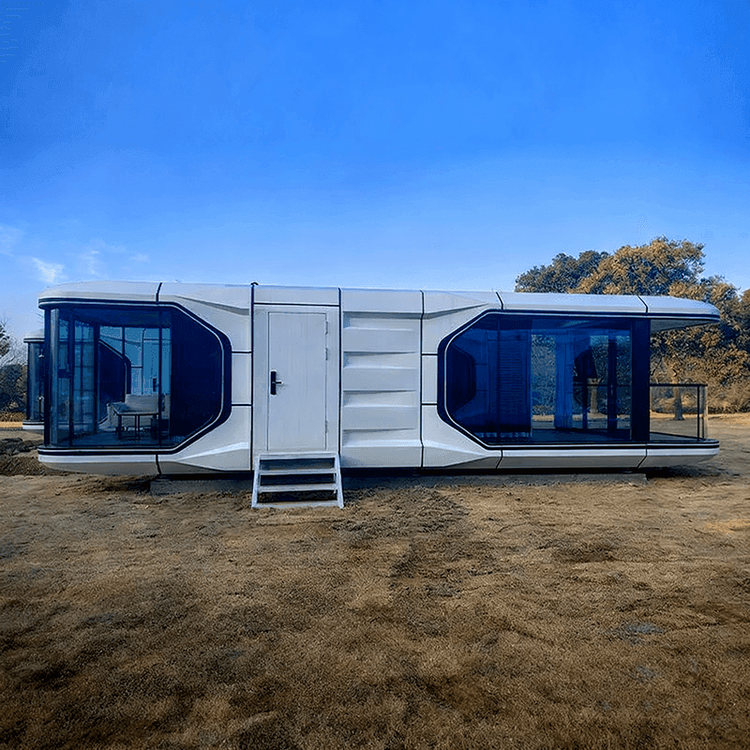
Yongzhou Meike Mobile Environmental Toilet
Currently, there is no specific public information available about the 'Yongzhou Meike Mobile Environmental Toilet'. The following is a popular science introduction from the perspective of general knowledge about mobile environmental toilets:

Definition and Characteristics of Mobile Environmental Toilets
A mobile environmental toilet is a public toilet facility that is movable, easy to install, and dismantle. It has the characteristic of high flexibility and can be rapidly deployed according to the needs of different venues, such as large-scale event sites, construction sites, tourist attractions, and other places with a high density of people and significant temporary demand. Compared with traditional fixed toilets, mobile environmental toilets do not require complex underground pipeline laying, greatly saving construction costs and time.
Common Types
- Packaged Mobile Environmental Toilets: These toilets use special packaging devices to seal and package feces, preventing odor emission and environmental pollution. After use, the packaged feces can be easily transported and treated, making them suitable for places with high hygiene requirements and a lack of sewage treatment facilities.
- Foam-Sealed Mobile Environmental Toilets: They utilize foam generated by a foam generator to seal the sewage outlet, preventing odor leakage. At the same time, the foam also acts as a lubricant, allowing feces to be discharged smoothly. They have the advantages of water conservation and environmental protection, effectively reducing water consumption.
- Microbial Degradation Mobile Environmental Toilets: These toilets rely on microorganisms to decompose and transform feces into harmless substances. They do not require a large amount of water for flushing, and the treated products can be used as organic fertilizers, achieving resource recycling.
Application Scenarios
In tourist attractions, mobile environmental toilets can be flexibly adjusted in position according to changes in tourist traffic to meet the toilet needs of different areas. At construction sites, they provide convenient toilet conditions for workers while avoiding pollution to the surrounding environment. At large-scale sports events, concerts, and other event sites, they can quickly solve the toilet problems of a large number of people, ensuring the smooth progress of the events.