
Yongzhou Foam Sealing Mobile Toilet
No specific information directly targeting 'Yongzhou Foam Sealing Mobile Toilet' has been found, but a general technical analysis of foam-sealing mobile toilets is provided for reference.
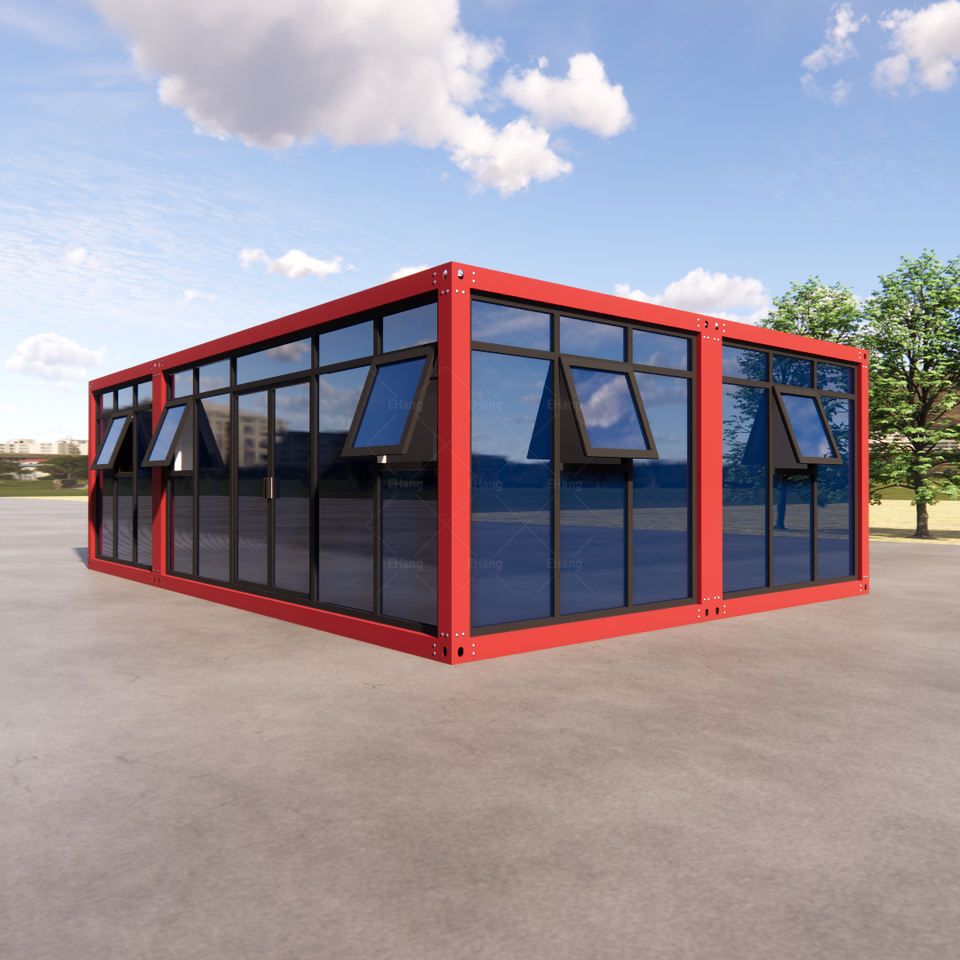
I. Working Principle Foam-sealing mobile toilets use a foaming device to mix a special foaming agent, a small amount of water, and air to generate high-density foam, which is then injected into the toilet bowl. The foam covers the surface of the excreta, forming a sealing layer that isolates odors and facilitates the sliding of excreta into the collection tank or septic tank through lubrication. Some models adopt a water-free foaming technology, utilizing microbial bacteria to decompose feces and construct a circulating water system, achieving a water-saving rate of over 99%, suitable for scenarios without water supply and drainage networks.
II. Technical Characteristics
- Outstanding Water-Saving Performance: The water consumption per flush is only 0.04-0.3 liters, with a water-saving rate of 80%-96%, far lower than traditional water-flush toilets (6-12 liters per flush), making it suitable for areas with scarce water resources.
- Strong Environmental Adaptability: The operating temperature range covers -40℃ to 60℃, allowing stable operation in extremely cold or hot regions. The toilet body adopts wind-resistant and sealed designs (such as integrated welding processes) to reduce the impact of extreme weather.
- Odor Isolation and Hygiene Optimization: The foam layer effectively isolates odors, and some products add fragrances to improve the user experience; microbial decomposition technology reduces the volume of solid waste and decreases the frequency of collection and transportation.
- Flexible Mobility: Lightweight building materials (such as fiberglass-reinforced plastic and aluminum alloy) and modular designs are used, supporting rapid deployment, disassembly, and transportation, suitable for temporary events or mobile scenarios.
III. Application Scenarios
- Outdoor Temporary Events: Such as music festivals and sports events, where short-term concentrated use is required without fixed sewage disposal facilities.
- Tourist Attractions and Protected Areas: In natural reserves and remote scenic spots lacking water supply and drainage networks, they can reduce damage to the ecological environment.
- Construction Sites and Vehicle-Mounted Public Toilets: For construction sites with long construction periods and dense personnel, or vehicle-mounted mobile toilets requiring flexible position adjustments.
IV. Maintenance Recommendations
- Use Special Foaming Agent: Avoid using ordinary cleaning agents or chemical reagents to prevent corrosion of equipment or affecting microbial activity.
- Regularly Empty the Collection Tank: Adjust the emptying cycle according to usage frequency (e.g., once every 1-2 days for 50 person-times per day) to prevent overflow or blockage.
- Check Equipment Sealing: Focus on inspecting the joints of the toilet body and the interfaces of the foaming device to ensure no air or water leakage.
For specific models or supplier information in the Yongzhou area, it is recommended to contact local environmental protection equipment manufacturers or consult the public information on government procurement platforms.



