Back to blog
Article
Yongledian Housing Container Renovation
Admin September 15, 2026
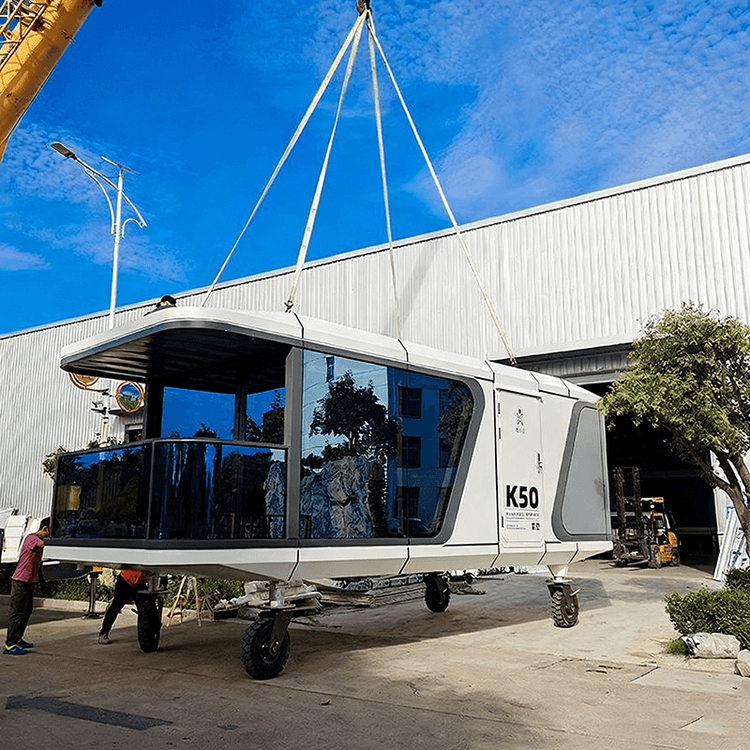
Yongledian housing container renovation can achieve low-cost and high-efficiency space upgrades through modular design and standardized construction, suitable for multiple scenarios such as living, office, and commercial use, with both environmental protection and flexibility.
I. Core Advantages of Container Renovation Container buildings are based on standardized modules and undergo structural reinforcement, sound insulation, thermal insulation, waterproofing, and rust prevention through industrial production processes, forming rapidly combinable building units. Their core advantages include:
- Significant Cost-Effectiveness: Renovation costs are 30%-50% lower than those of traditional buildings, with construction periods shortened to 7-15 days, and no complex civil engineering approval processes are required. For example, the container mobile homes provided by Beijing Falilai Company have a daily rental fee of only 3-10 yuan, with a total cost far lower than that of brick-and-mortar houses.
- Strong Functional Adaptability: Through customized design, flexible transitions between living, office, commercial, cultural tourism, and other scenarios can be achieved. For instance, Shanghai Wisdom Bay Science and Technology Innovation Park uses 500 containers to create creative office spaces, while Qingdao TEU Container Tribe constructs a nearly 6,100-square-meter commercial complex.
- Environmental Protection and Sustainability: Materials can be recycled, reducing construction waste generation, and they are mobile, supporting repeated disassembly and assembly. The packing-box houses produced by Shandong Guoheng Intelligent Manufacturing Co., Ltd. have a product lifespan of 8-10 years and support more than three disassembly and assembly cycles.
II. Technical Implementation Paths
- Structural Reinforcement and Performance Optimization: High-strength steel frames are used in combination with double-layer steel plate sandwich walls to enhance earthquake resistance, load-bearing capacity, and thermal insulation performance. For example, the expandable container villas produced by Hebei Zhongxinhe Company reduce transportation costs through folding design and double the space after landing.
- Modular Combination and Rapid Deployment: Based on ISO standard sizes, single or multiple containers can be spliced using quick-release connectors to meet different spatial requirements. Beijing Yuanhao Integrated Housing Technology Co., Ltd. can provide containers in various sizes from 3 meters to 12 meters, supporting on-site processing and installation.
- Intelligent and Customized Upgrades: Facilities such as water and electricity interfaces and intelligent control systems are integrated to meet personalized needs. For example, Shanghai Gubei Post uses containers as carriers to build a community shared space integrating government services and cultural activities.
III. Application Scenarios and Cases
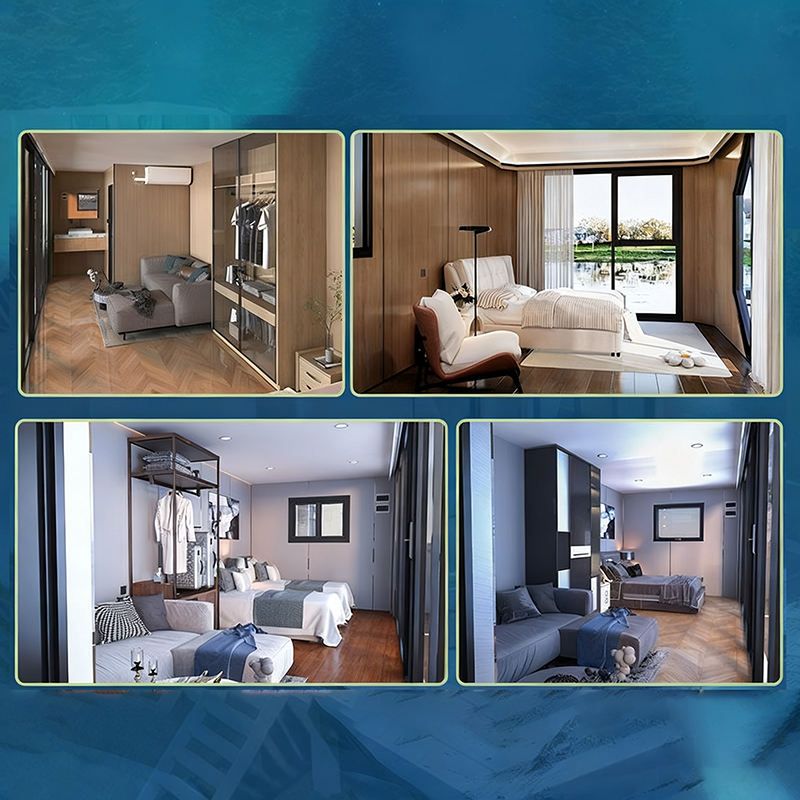
- Residential Sector: Renovated into single-family homes or bed-and-breakfasts, with internal layouts covering functional areas such as bedrooms, kitchens, and bathrooms, achieving sound insulation and lighting standards comparable to those of traditional residences.
- Commercial Sector: Used as pop-up shops, themed commercial streets, and other temporary commercial spaces, supporting artistic exterior renovations and reducing initial investment and operational costs.
- Public Service Sector: Used for emergency disaster relief command centers, community libraries, and other facilities, enabling rapid deployment within 72 hours and improving space utilization efficiency.