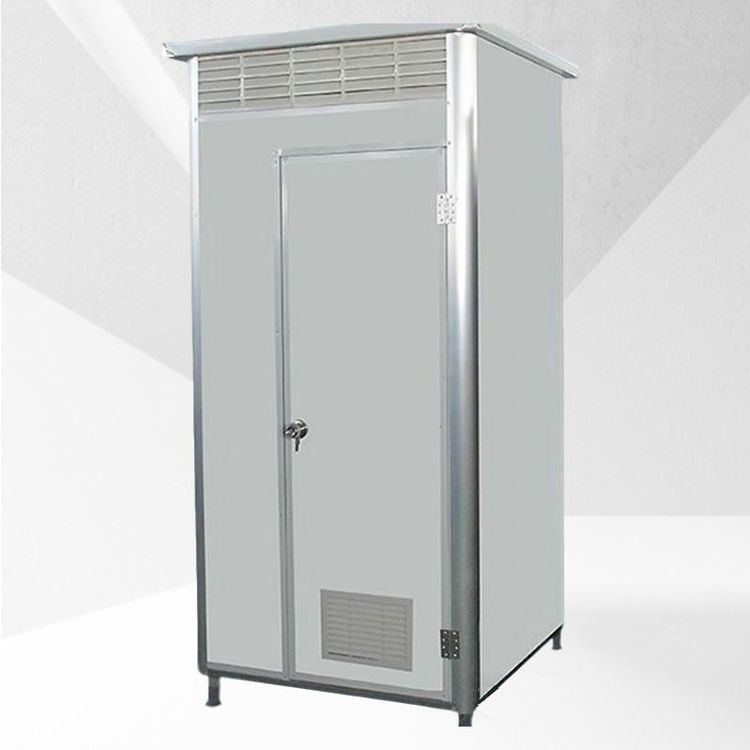
Yongcheng Rural Mobile Toilets
The management, issues, supply, and policy situation of mobile toilets in rural areas of Yongcheng are as follows:

I. Management and Maintenance Mechanism
Starting from January 1, 2025, the township governments in rural areas of Yongcheng City will be responsible for the overall management, sludge extraction, and removal of 860 public toilets. The relevant expenses will be disbursed uniformly through the rural comprehensive sanitation expense account. Towns (sub-districts) must ensure that the public toilets meet the standards of 'four clean, four free, two connected, and one illuminated': clean floors, clean walls, clean toilet stalls, and clean surroundings; no damage, no overflow, no mosquitoes and flies, and no odor; water supply, electricity supply, and lighting. They should be open to the public 24/7. This mechanism strengthens the sustainable operation guarantee of public toilets by clarifying the responsible entities and funding sources.
II. Existing Issues and Rectification
Previously, some renovated toilets in rural areas were left idle, mainly due to the following issues:
- Technical defects: Problems such as poor flushing of squat toilets, easy freezing and cracking of pipes in winter, and insufficient capacity of septic tanks led to a poor user experience.
- Inadequate subsidy implementation: Some villagers did not receive the 500-yuan renovation subsidy and had to bear the cost of sludge extraction themselves, increasing their financial burden and forcing them to revert to using traditional outhouses.
- Formalistic tendencies: Local governments claimed significant achievements in the 'toilet revolution', but in actual implementation, there were issues such as perfunctory inspections, delayed subsidy disbursement, and lack of follow-up maintenance. This attracted the attention of the Central Commission for Discipline Inspection, which demanded a strict investigation into corruption and work style issues behind the showcase projects.
III. Market Supply Situation
Local enterprises in Yongcheng, such as Jinhua Xin'an Steel Structure Engineering Co., Ltd., provide customized services for mobile toilets, covering the entire process of design, production, sales, and installation. Their products are mainly used in construction sites, scenic spots, and other scenarios. In addition, enterprises like Falilai Group provide mobile toilet support for infrastructure projects and cultural and tourism scenarios in Yongcheng City and its surrounding areas through an integrated model of research and development, production, and leasing, meeting temporary or mobile demands.
IV. Policy Orientation
The Yongcheng City Agriculture and Rural Affairs Bureau emphasizes the implementation of the concept of 'small toilets, big livelihoods'. It strengthens the supervision of public toilets through government procurement of services and promotes the transformation of the toilet renovation project from 'quantity coverage' to 'quality improvement'. However, the issues in previous implementation have exposed deviations in policy implementation. It is necessary to further optimize the acceptance standards, improve the subsidy disbursement mechanism, and establish a long-term maintenance service system to ensure that the toilet renovation project truly benefits the people.