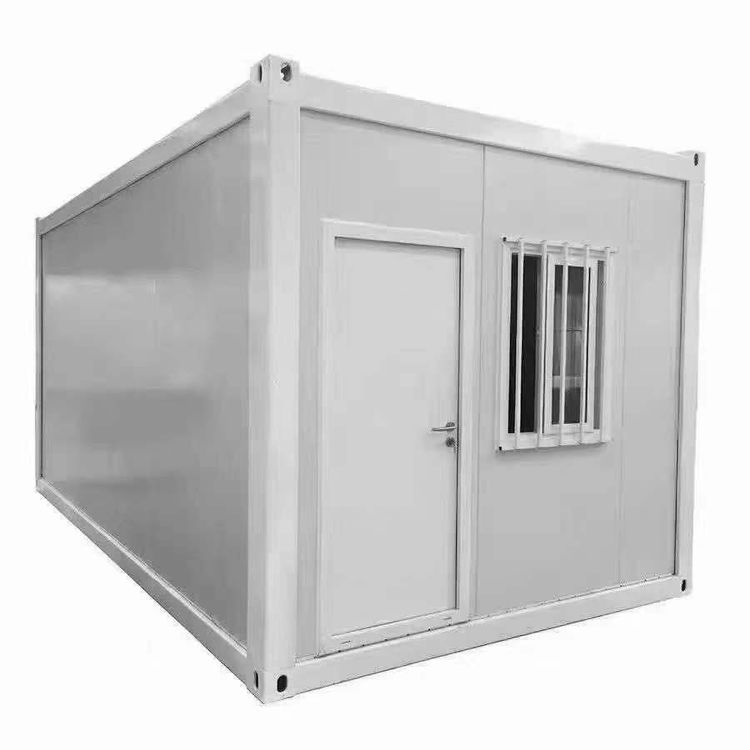
Yingzhou Mobile Toilet Renovation
Sanshilipu Town in Yingzhou has formulated a clear plan for the renovation of mobile toilets (actually dry toilets), and will focus on promoting the renovation of 20 dry toilets in 2025. The details are as follows:
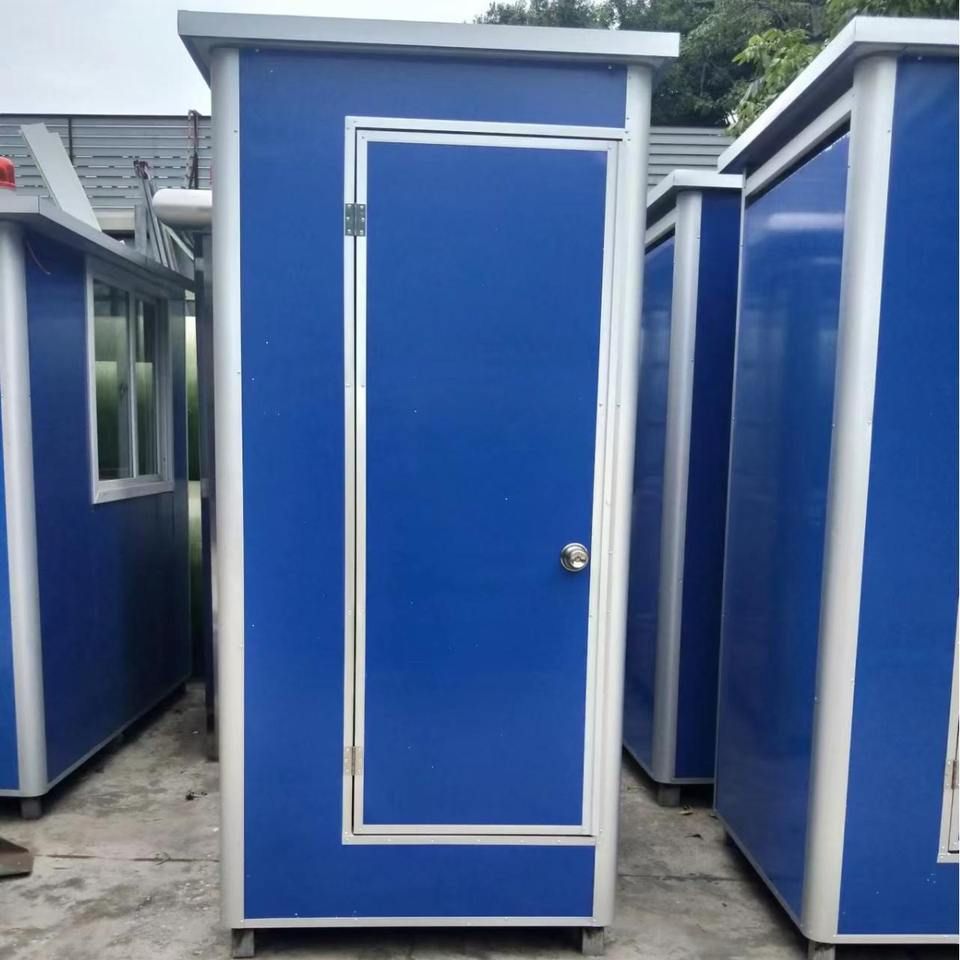
I. Objectives, Tasks, and Implementation Scope The plan adheres to the principles of 'government guidance, villager participation, adaptation to local conditions, and orderly progress' to renovate dry toilets for permanent resident households in natural villages across the town. Renovation targets must meet two conditions: first, the households must be permanent residents; second, the houses must not be listed as 'uninhabited for more than one year' or 'scheduled for relocation within three years'. The key task for 2025 is to complete the renovation of 20 dry toilets, with subsequent expansion of coverage based on actual needs.
II. Construction Model and Implementation Standards The town uniformly promotes the 'brick-built three-chamber + groove + municipal double-layer well cover' toilet renovation model, which features odor prevention, seepage prevention, and fly prevention functions. Fecal waste can be discharged up to standard after harmless treatment in the three-chamber septic tank. The implementation process adheres to the 'five firsts and five lasts' principle: planning before construction, demonstration before promotion, voluntary participation by the masses before organization and implementation, underground work before above-ground work, and inspection and acceptance before rewards and subsidies. Newly renovated household toilets are required to be 'inside the courtyard, inside the house, and against the wall' to avoid occupying public space or affecting the village appearance.
III. Policy Basis and Decision-Making Background The plan is formulated based on the overall strategy of rural revitalization and the implementation of rural living environment improvement requirements. The core basis includes: the important instructions of General Secretary Xi Jinping on the rural 'toilet revolution', relevant policy documents at the provincial and Yingzhou District levels, combined with the current distribution of dry toilets in Sanshilipu Town, villagers' willingness for renovation, and financial capacity. The plan has undergone legal review and town government meeting deliberation to ensure procedural compliance.
IV. Significance of Renovation and Protection of Villagers' Rights and Interests From a health perspective, renovated toilets can reduce the risk of intestinal infectious disease transmission; from an ecological and environmental perspective, the resource utilization of fecal waste (such as composting for farmland) can achieve resource recycling and reduce agricultural non-point source pollution. The plan formulation fully respects villagers' needs: suggestions are collected through drafts for comments, departmental discussions, and public announcements to ensure that the renovation model aligns with actual usage habits; reward and subsidy funds are directly distributed to households to alleviate financial burdens.
V. Implementation Process and Timeline The draft of the plan for comments was completed on June 5, 2025, with public comments sought and revisions made from June 6 to July 6. The plan was officially issued after legal review and town government meeting deliberation on July 7. Subsequently, it will be implemented by the local villages (residential communities), with the town government responsible for technical guidance and inspection and supervision.