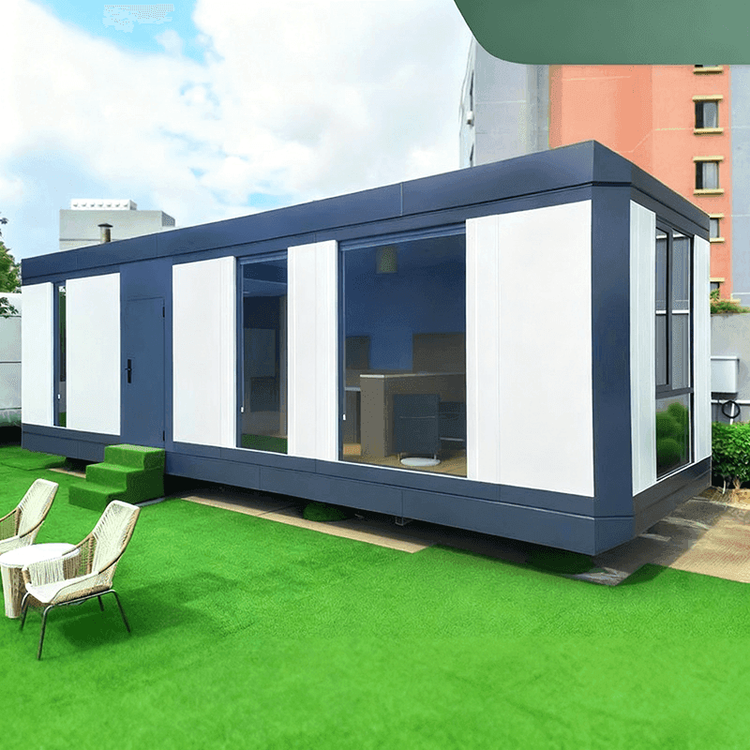
Yingtan Urban Portable Toilet
Yingtan urban portable toilet rental services offer a wide range of types to meet various scenario demands, and the rental services include comprehensive operation and maintenance management, with strict adherence to safety regulations in the power connection process.
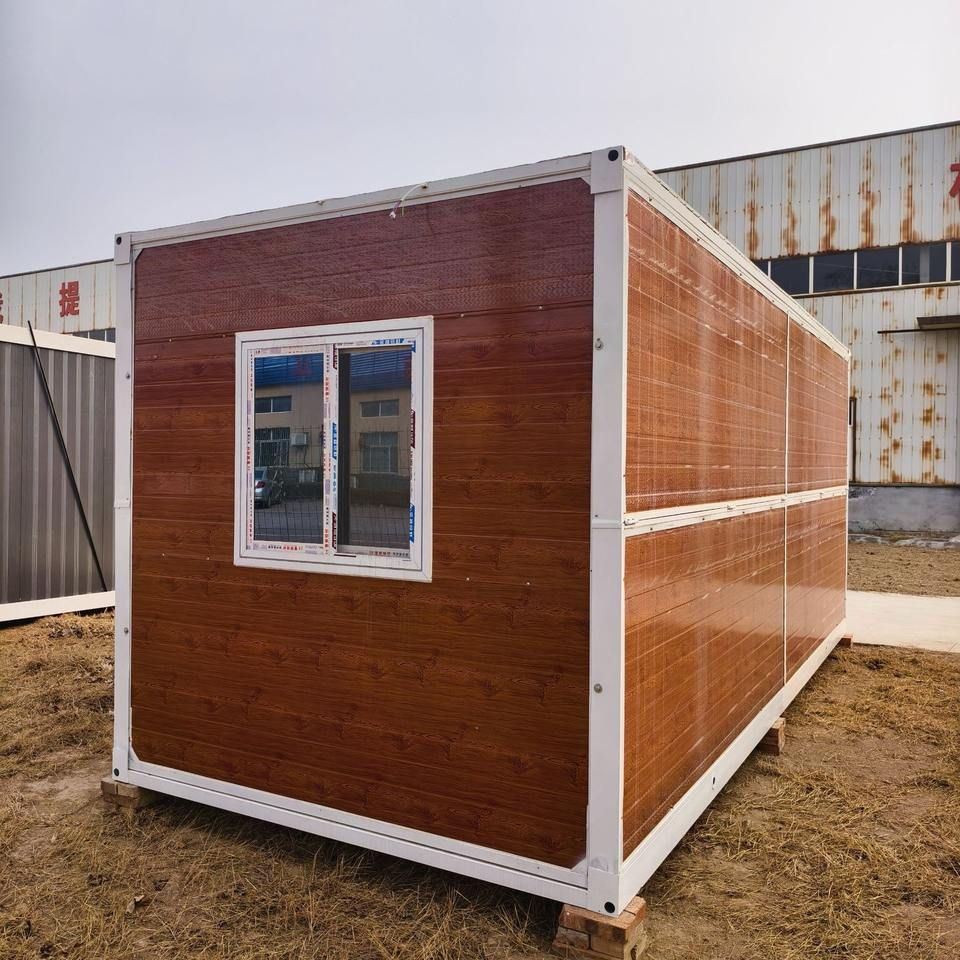
1. Types of Portable Toilets and Applicable Scenarios
Yingtan provides a diverse range of portable toilets, including those for epidemic prevention centers, portable types, outdoor types, those for high-rise buildings, scenic area types, lightweight types, luxury types, and second-hand portable toilets. These toilets are suitable for temporary event scenarios such as marathons, concerts, music festivals, construction sites, and groundbreaking performances, meeting the toilet needs of different scales and environments. For example, scenic area portable toilets focus on blending with the natural environment, while luxury portable toilets are equipped with more comprehensive facilities to enhance the user experience.
2. Key Points of Operation and Maintenance Management for Rental Services
- Daily Cleaning and Maintenance: Arrange for dedicated personnel to clean the interior and exterior of the portable toilets daily, including the floors, washbasins, and toilet bowls, using neutral cleaning agents to avoid corroding the facilities. Promptly clean and disinfect the trash cans, check whether the water and electricity supplies, flushing systems, and door locks are functioning properly, and report any malfunctions for repair in a timely manner.
- Hygiene and Disinfection Management: Regularly disinfect the interior of the public toilets, focusing on high-frequency contact areas such as door handles and flush buttons. Ensure an adequate supply of consumables such as toilet paper and hand sanitizer, place air fresheners or deodorizers to maintain fresh air, and check the ventilation system if there is a strong odor.
- Emergency Response and Support: Establish a rapid response mechanism, with operation and maintenance personnel arriving at the site within the specified time to repair malfunctioning facilities. Reinforce and inspect the portable toilets before severe weather conditions and, if necessary, relocate them to safe areas. Conduct comprehensive inspections of the electrical circuits, water pipes, and structures on a regular basis.
- User Usage Guidelines: Post civilized usage reminders in conspicuous locations to guide users to take good care of the facilities. Promptly coordinate and address needs such as the use of barrier-free facilities and special cleaning requirements.
3. Safety Precautions for the Power Connection Process
- Electrical Qualifications: Select units or individuals with formal electrical construction qualifications to carry out the operations and clearly define the electrical responsibilities in the contract.
- Power Cord Specifications: Check whether the built-in power cords of the portable toilets meet the requirements. For temporary power cords, choose waterproof and sun-resistant cables. Install leakage protectors when the length exceeds 10 meters.
- Grounding Requirements: All portable toilets must be reliably grounded, with the grounding resistance controlled within 4Ω. Use galvanized steel pipes or angle irons as grounding bodies, with a burial depth of not less than 0.6 meters, and regularly test their effectiveness.
- Distribution Box Management: Install the distribution boxes in dry and well-ventilated locations, with rainproof facilities on the boxes. Ensure that the air switches inside match the power of the equipment and strictly prohibit unauthorized wiring or overloading.
- Daily Inspections: During the rental period, check daily for loose wire connections and damaged cables. After rainy days, focus on inspecting for electrical leakage. If aging or abnormalities are found, stop using immediately and contact for repair.