
Yinchuan Scenic Spot Mobile Toilet
The mobile toilets in Yinchuan scenic spots are designed as movable public sanitation units to meet the toilet needs of tourists, featuring flexible deployment and strong environmental adaptability. Their design, site selection, maintenance, and management are all centered around the actual needs of the scenic spots.
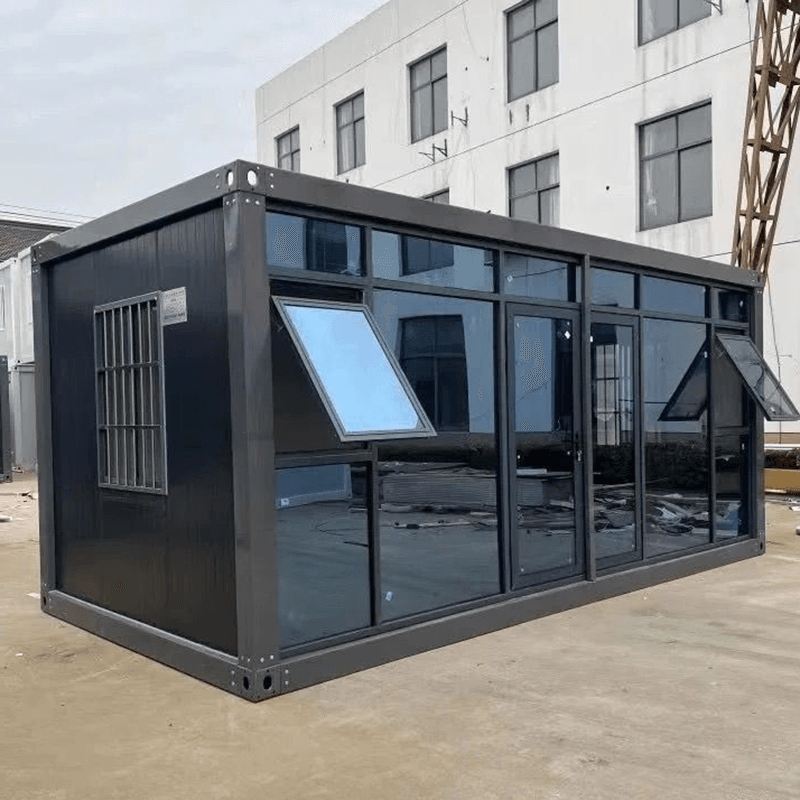
Structural and Functional Design
The main body of the mobile toilet is composed of a transportable container, primarily made of fiberglass, stainless steel, or metal-painted panels, which are corrosion-resistant and easy to clean. Internally, it is equipped with basic facilities such as toilets, flushing devices, and sinks. Some integrated models include independent water storage and sewage systems, allowing short-term operation without relying on fixed pipelines. The flushing systems are divided into pressure-type (relying on built-in water tanks) and vacuum suction-type (with low water consumption but complex structure). Sewage treatment methods include centralized collection and transportation, on-site biochemical treatment, or connection to existing sewage pipelines, depending on the scenic spot's operational cycle and environmental requirements. In terms of material composition, its structural units consist of high-strength composite material shells, integrated sewage storage containers, independent ventilation modules, and lightweight frames, enabling rapid assembly through standardized interfaces. It operates on a closed material circulation treatment technology, where solid waste is biologically degraded or chemically solidified, and liquid waste is stored after multi-stage filtration.
Site Selection and Layout Principles
Site selection should consider the distribution of tourist routes, environmental carrying capacity, and terrain flatness. Temporary installations should coordinate with the landscape to minimize interference with the natural environment. Spatial layout follows the data on tourist flow dynamics in the scenic spot, often deployed at the junctions of viewing platforms, intersections of walking paths, and blind spots in service facility coverage. During peak tourist seasons, the number and layout of mobile toilets should be dynamically adjusted through tourist flow simulations, referencing turnstile data or mobile phone signal density to predict peak toilet demands, avoiding over-concentration and ensuring reasonable coverage radii in key areas. For special terrains such as riverside walkways or mountain trails, small and lightweight models can be selected and transported by human or light vehicles.
Maintenance and Management Requirements
Mobile toilets with high usage frequencies require regular maintenance procedures, including waste removal, water replenishment, equipment inspection, and disinfection operations. Cleaning and disinfection should use agents that meet hygiene standards, focusing on frequently touched surfaces. In winter, anti-freezing measures should be taken for pipelines and water storage devices, such as adding antifreeze or using electric tracing heating. Power supply can be connected to the municipal grid or use solar power storage systems, with the latter suitable for areas without grid coverage. The maintenance and management process follows a periodic service model, where cleaning and waste collection are triggered by sensor monitoring data or preset schedules.
Environmental Impact Control
Material selection favors industrial products with high recyclability, and surface treatment processes should meet requirements for resistance to ultraviolet aging and weatherability. Environmental impact control measures are implemented throughout all stages of the lifecycle.



