
Yinchuan Park Mobile Toilet
The Yinchuan Park mobile toilet is a flexible and environmentally friendly sanitation facility designed by integrating the characteristics of the park environment and public service needs. Its design logic and operational model revolve around the dynamic flow of park visitors, climatic conditions, and ecological protection requirements, forming a solution tailored to urban public spaces.
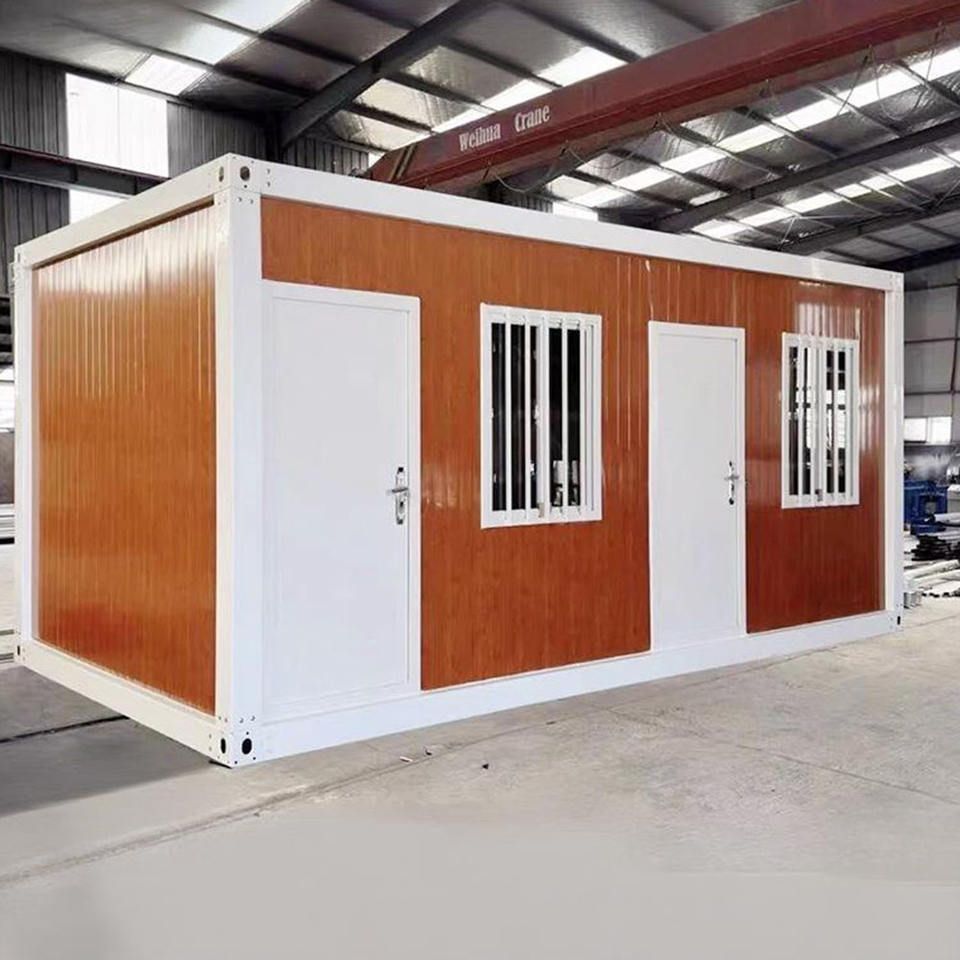
The site selection and deployment logic are centered around visitor flow dynamics. The location of the Yinchuan Park mobile toilet is not fixed but dynamically adjusted based on visitor flow data from different functional areas of the park. Priority deployment points include areas with high instantaneous visitor flow or concentrated toilet needs, such as entrance areas, major landscape nodes, children's playgrounds, and midpoints of long walking paths. These areas are pre-equipped with fixed sewage discharge interfaces and water supply connection points, enabling the mobile toilets to quickly connect to infrastructure and achieve 'on-demand deployment' and 'rapid removal'. For example, during holidays when visitor flow surges, additional mobile toilets can be installed at the entrance area; on regular days with reduced visitor flow, some units can be removed to flexibly match visitor flow fluctuations and avoid resource waste.
The technical solution is optimized for climatic and environmental protection needs. The climatic characteristics of Yinchuan, with low temperatures in winter and dry, windy conditions in summer, impose special requirements on the materials and functions of the mobile toilets. Some units adopt insulated wall materials and freeze-resistant water supply pipeline designs to ensure normal operation in low-temperature winter environments; in summer, windproof structures are used to reduce sand and dust intrusion. In terms of sewage discharge methods, depending on the park's underground pipeline conditions and environmental protection requirements, options include water-flush direct discharge, vacuum suction, and biodegradation. For example, in wetland park areas far from municipal sewage pipelines, self-contained fermentation treatment unit-equipped waterless biotoilets are prioritized, using microorganisms to decompose fecal matter, avoiding pollution to sensitive water bodies, and reducing water consumption.
The maintenance and cleaning process forms an independent closed loop. Unlike traditional public toilets that rely on fixed pipelines, the Yinchuan Park mobile toilet is equipped with independent clean water and sewage tanks, forming a closed-loop maintenance system of 'collection-disinfection-replenishment'. Dedicated service vehicles use sensors to monitor tank levels in real-time, regularly visiting each point to collect sewage and replenish water, followed by deep cleaning and disinfection of the tanks at fixed locations. This model not only ensures the continuous usability of the facilities but also reduces interference with visitors during the cleaning process through centralized operations, enhancing the overall park experience.
Resource recycling is integrated into the urban material recycling system. The sewage tank of the mobile toilet, as an independent micro-treatment unit, collects fecal matter that can be transported to specialized treatment stations for resource utilization. For example, the safely treated organic matter can be used for garden composting, transforming 'waste' generated within the park into reusable resources. This distributed treatment approach reduces the instantaneous discharge pressure on end-of-pipe large-scale treatment plants in traditional models and promotes the efficiency of urban material recycling.



