
Yinchuan Outdoor Scenic Area Mobile Toilet
The mobile toilet in Yinchuan's outdoor scenic areas is primarily designed with a water-flush system, combining environmental protection and flexibility as a mobile sanitation facility. Its core structure and operational mechanism are as follows:
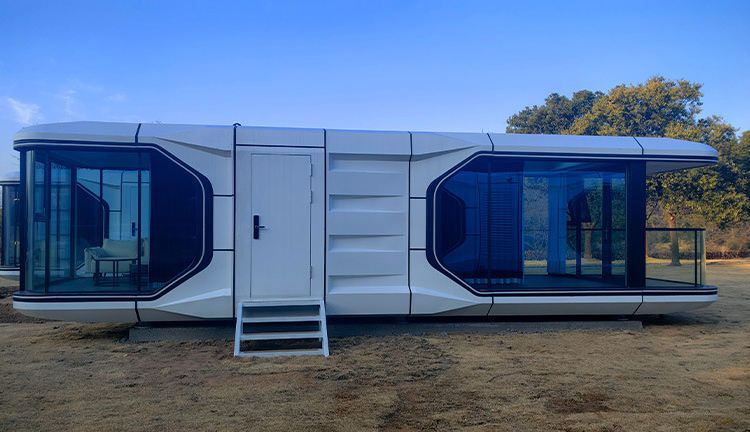
I. Structure and Operational Mechanism The mobile toilet uses lightweight, high-strength alloy materials to construct its frame, with all functional units integrated through modular design inside. The flushing system consists of a water storage tank, pressure pump, water-saving toilet, and an independent sewage tank, forming a closed-loop unit that does not require connection to municipal water networks. When a user triggers the flushing mechanism, the pressure pump pushes clean water out to flush the toilet, with sewage and solid waste directly discharged into a sealed sewage tank for storage, creating an independent cycle of 'water use - waste discharge - storage'. Some models incorporate solar-powered auxiliary systems to reduce reliance on traditional electricity.
II. Environmental Protection Features Once the sewage tank is full, it is emptied via a dedicated interface by service vehicles and transported to treatment sites, avoiding the need to lay fixed sewage pipes or construct septic tanks in ecologically sensitive areas, significantly reducing interference with geological and hydrological environments. During routine maintenance, environmentally friendly deodorizing and biodegrading agents are added to suppress odors and accelerate the decomposition of organic matter, further minimizing pollution risks.
III. Site Selection and Support Requirements The equipment must be deployed in areas with sufficient ground bearing capacity and flatness, close to service roads for easy access by cleaning vehicles, while maintaining an appropriate visual distance from main sightseeing routes and natural landscapes to avoid disrupting scenic harmony. Access to electricity is essential, with some models supplemented by solar panels; however, core electromechanical components (such as pressure pumps) still require a stable power supply.
IV. Maintenance and Management Points Daily maintenance includes replenishing clean water, checking the sealing of the flushing system, and regularly adding deodorizing agents; electromechanical components (water pumps, valves) require quarterly performance checks; the frequency of sewage tank emptying should be adjusted dynamically based on visitor traffic, with recommendations for 1-2 daily empties during peak periods and extending to 3-5 days during off-peak seasons to prevent overflow and environmental contamination.
V. Advantages in Application Flexibility During off-peak tourist seasons or ecological restoration periods, the equipment can be quickly relocated to other areas or stored centrally, reducing idle costs associated with fixed structures without altering land use, meeting the cautious requirements of natural scenic areas for facility construction. Rental services further expand application scenarios, with the equipment featuring independent fecal and water tanks for immediate use upon arrival, suitable for non-fixed scenarios such as temporary events and construction sites.



