
Yinchuan Mobile Toilet Construction
The construction of mobile toilets in Yinchuan should be systematically advanced from four aspects: process, content, characteristics, and requirements, ensuring both functionality and environmental adaptability.
I. Construction Process and Timeline Planning
Taking the project in the bungalow area of Xingying Team 8 as an example, the construction period is approximately 4 months, with key milestones including: site selection completed in March, considering factors such as pedestrian traffic, sewage disposal conditions, and permafrost distribution; design plan and budget preparation in April, specifying functional configurations (e.g., number of squatting positions, intelligent systems) and material selection; tender announcement in June, official commencement in July, and completion and acceptance in mid-August. The timeline planning should account for the permafrost thawing period to avoid seasonal impacts on foundation construction.
II. Construction Content and Technical Key Points
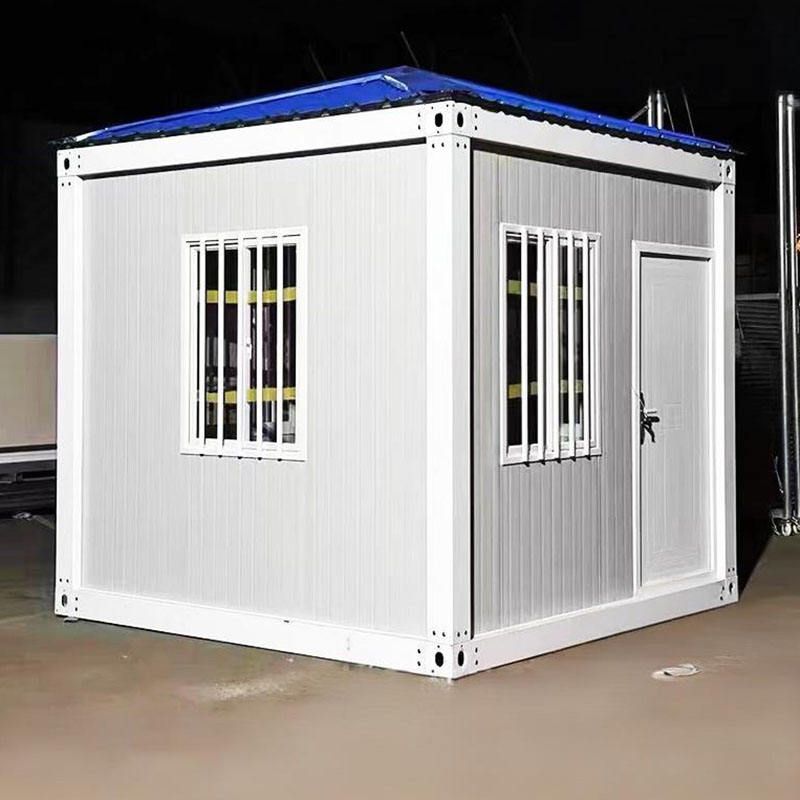
- Structural Construction: Utilizing a composite steel structure with a building area of 28 square meters, a design lifespan of 15 years, and support for multiple relocations. The steel base should have height adjustment capabilities to accommodate the expansion and contraction of the permafrost layer, preventing structural deformation.
- Functional Configuration: Equipped with 6 unisex squatting positions, integrating intelligent control rooms (e.g., automatic sensor flushing, lighting) and a management room; water supply relies on municipal tap water, sewage disposal connects to a septic tank, and heating uses electric floor heating to ensure normal operation in low-temperature environments.
- Materials and Workmanship: The exterior walls and roof adopt a sandwich panel structure filled with polyurethane or rock wool, balancing thermal insulation and weather resistance; foundation treatment involves compacting the permafrost layer and laying a moisture-proof membrane to prevent frost heave damage.
III. Construction Characteristics and Innovative Design
- Modular Design: Internal systems (e.g., water supply, sewage disposal, electrical circuits) adopt standardized modules for quick assembly and easy maintenance, shortening the construction period.
- Environmental Protection and Water Conservation: Equipped with vacuum or high-pressure air-assisted flushing technology, reducing single-flush water consumption by 60% compared to traditional toilets; sewage collection tanks feature sealed and corrosion-resistant designs, with some models incorporating biodegradable agents to reduce collection frequency.
- Intelligent Management: Sensors monitor pedestrian traffic and usage frequency in real-time, with data fed back to a management platform to optimize cleaning schedules and resource allocation.
IV. Construction Requirements and Environmental Adaptation
- Environmental Adaptability: Materials should resist strong ultraviolet radiation (e.g., fluorocarbon-coated steel plates) and wind-blown sand erosion (e.g., adding dust filters); foundation treatment should reserve space for permafrost movement to prevent structural cracking.
- Standardized Operation and Maintenance: Establish a daily maintenance checklist, including replenishment of consumables (e.g., toilet paper, hand soap), surface disinfection (twice daily), and equipment inspection (once weekly); in windy and sandy environments, increase the frequency of drain cleaning to prevent blockages.
The construction of mobile toilets in Yinchuan should balance functional requirements with environmental challenges, achieving efficient and sustainable public health services through modular design, environmental protection technologies, and intelligent management.



