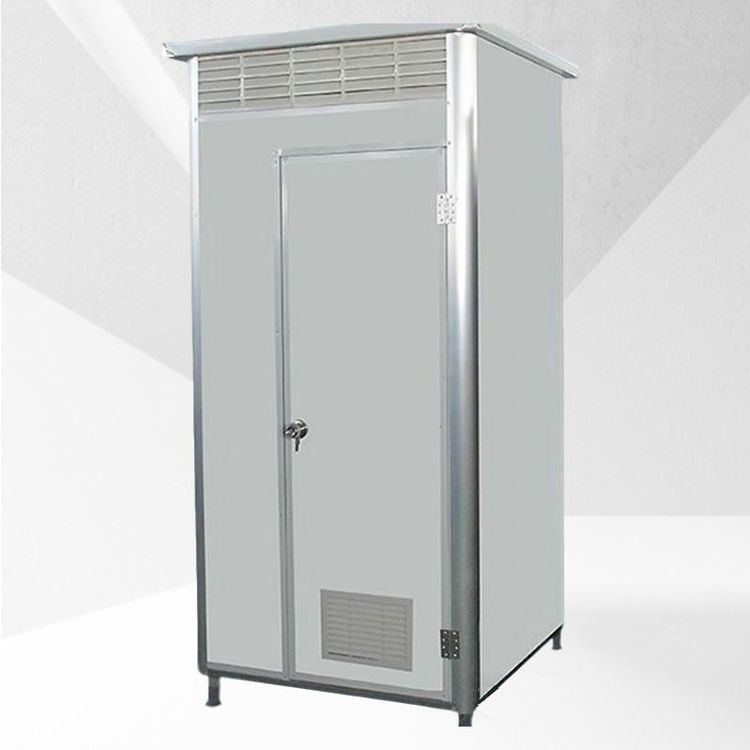
Yichun Septic Tank Mobile Toilet
No specific information directly targeting 'Yichun Septic Tank Mobile Toilet' has been found, but a general explanation can be provided from the perspective of mobile toilets and septic tank technology.

Mobile toilets are portable and flexible sanitation facilities, typically consisting of a toilet body, sewage disposal system, and auxiliary equipment. They are widely used in scenic spots, construction sites, temporary event venues, and other settings. Their core function is to collect and treat excreta through reasonable structural design, with septic tanks being a common treatment method. The core principle of a septic tank mobile toilet is the initial decomposition and sedimentation of excreta in the septic tank: After entering the septic tank, solid matter gradually decomposes under the action of microorganisms, while the liquid part is discharged through filtration or permeation. Some designs also add chemicals to accelerate the decomposition process and reduce odors. This treatment method has the advantages of low cost and simple maintenance, making it suitable for scenarios with moderate environmental protection requirements and moderate usage frequency.
The typical structure of a septic tank mobile toilet includes three parts:
- Toilet body: Built with lightweight materials (such as metal, fiberglass, or plastic), it is rainproof, windproof, and ventilated, and is equipped with a toilet, flushing device (some are flush-free designs), and lighting equipment inside.
- Septic tank system: Usually a double-chamber or triple-chamber structure, with partitions separating different treatment stages. The first chamber is used for sedimentation of solids, the second chamber further decomposes and filters the liquid, and some designs add a third chamber for advanced treatment or storage.
- Discharge and maintenance interfaces: A cleaning port is set at the bottom of the septic tank for regular cleaning of undecomposed solids; some designs are connected to drainage pipes to discharge the treated liquid into municipal sewage networks or designated areas.
The following points should be noted in practical applications:
- Capacity matching: Choose a septic tank with an appropriate capacity based on the number of users and frequency of use to avoid premature overflow.
- Regular maintenance: The septic tank should be cleaned every 3-6 months, with the specific cycle depending on usage intensity and decomposition efficiency.
- Environmental protection requirements: If the discharged liquid needs to meet local environmental protection standards, additional filtration or disinfection steps may be required.
- Regional adaptation: In humid regions like Yichun, the anti-seepage and anti-corrosion design of the septic tank should be strengthened to extend its service life.