
Yichun Mobile Environmental Toilet
The Yichun mobile environmental toilet is a typical representative of the transformation in urban infrastructure allocation methods, providing flexible resource supplementation solutions for urban construction through modular and movable designs, combining technological advancement, environmental adaptability, and ecological benefits.
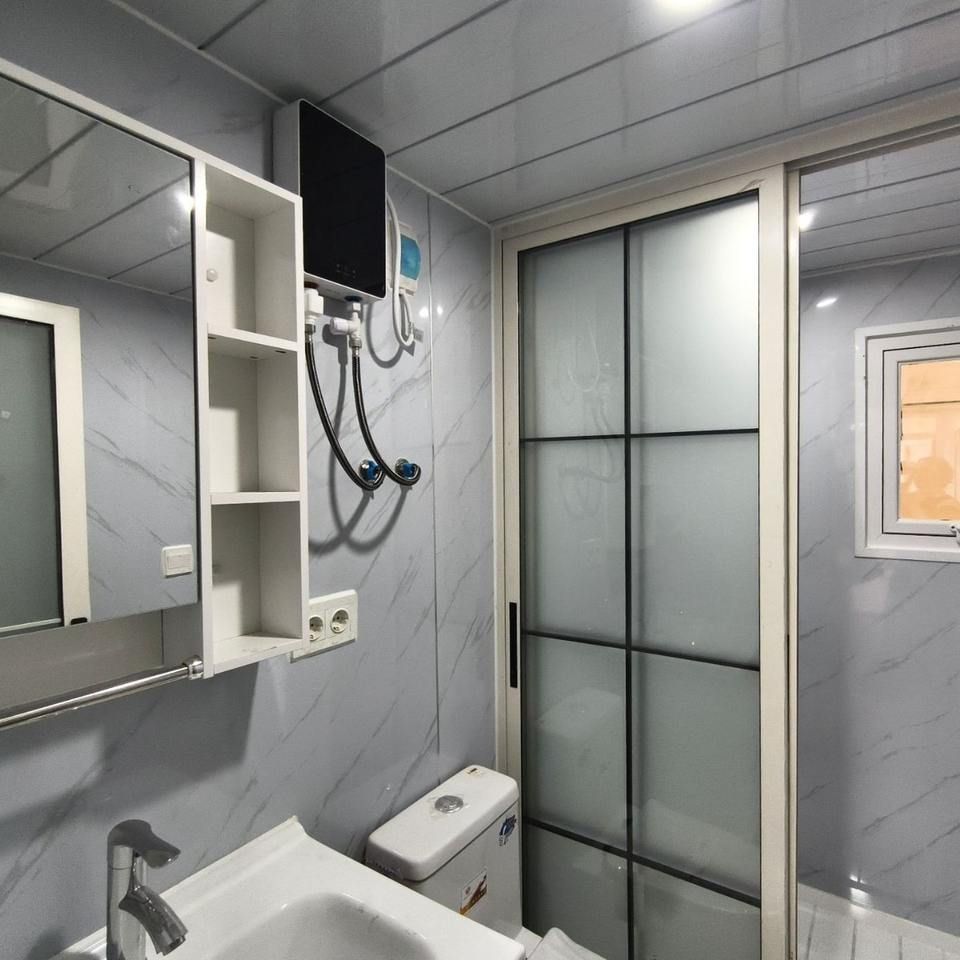
Technical Composition and Functional Implementation
The core technology of mobile environmental toilets revolves around three major systems: water storage, waste treatment, and ventilation. The water storage system employs a separate tank design, separating flushing water from clean water to avoid cross-contamination, while reducing water consumption through water-saving devices, with water resource consumption being only 15%-20% of that of traditional water-flush toilets. The waste treatment unit relies on biodegradation or chemical decomposition technologies: some models are directly connected to municipal sewage networks, transporting waste to centralized treatment facilities; independent models are equipped with efficient treatment equipment, such as biological filter beds or chemical decomposition tanks, enabling on-site treatment. The ventilation system effectively reduces odors and maintains internal air quality by optimizing air circulation paths and incorporating negative pressure extraction or activated carbon filtration devices.
Environmental Adaptability and Material Innovation
In response to Yichun's climate characteristics of severe cold in winter and heavy rainfall in summer, mobile environmental toilets have undergone targeted optimizations in materials and structure. The box materials generally adopt corrosion-resistant composite materials or metal sheets, with interior decoration materials featuring both moisture resistance and easy cleaning properties, extending service life and reducing maintenance costs. Insulation design is achieved through thickened boxes or built-in insulation layers, ensuring stable internal temperatures in winter and preventing pipe freezing. Humanized details such as non-slip floors, barrier-free access, and handrails have become standard configurations, meeting the usage needs of different populations, especially in tourist attractions or cultural event venues, significantly enhancing user experience.
Ecological Benefits and Sustainable Development
The ecological advantages of mobile environmental toilets are reflected in their low-carbon attributes throughout their entire lifecycle. In terms of resource conservation, their water consumption is only one-fifth to one-sixth of that of traditional toilets, and some high-end models integrate solar power systems to reduce reliance on the power grid; experimental products are testing rainwater collection functions to further reduce external water consumption. In terms of carbon emission control, modular design increases loading efficiency during transportation by 30%, reducing transportation frequency and energy consumption. In terms of material recycling, over 70% of components can be recycled and reprocessed after their service life ends, reducing resource waste. Additionally, biological filter bed technology reduces the use of chemical deodorizers by decomposing odor molecules through microorganisms, lowering secondary pollution to the environment.
Application Scenarios and Mode Selection
Mobile environmental toilets have a wide range of application scenarios. Seasonal tourist areas require a balance between aesthetics and durability, often adopting lightweight materials and landscape-oriented exterior designs; temporary construction sites prioritize portability, with modular structures enabling quick assembly and disassembly for relocation; large-scale outdoor events have specific demands for barrier-free facilities and peak-hour capacity. In terms of operational modes, the leasing mode is suitable for short-term events or construction sites, reducing one-time investment costs; the sales mode targets long-term fixed demand locations such as tourist attractions and transportation hubs, meeting personalized needs through customized designs.



