
Yichun Environmental Protection Mobile Toilet Planning
The planning of Yichun's environmental protection mobile toilets centers on flexibility and sustainability, meeting the dynamic development needs of the city through modular design, technological integration, and scenario adaptation.
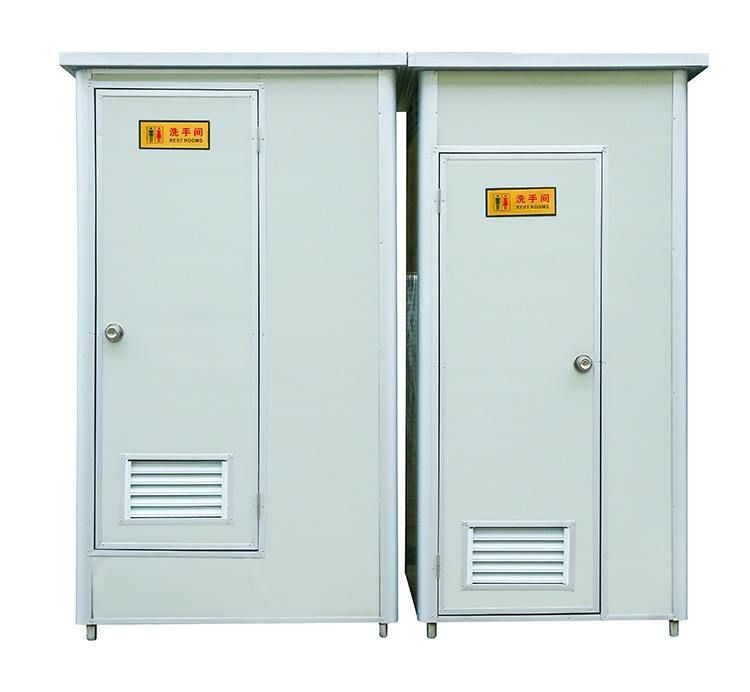
1. Flexible Deployment and Resource Supplementation
Yichun's environmental protection mobile toilets adopt a modular structure, enabling rapid layout adjustments based on regional population density, event types, and durations. For instance, in short-term large-scale events, construction sites, or temporary gathering areas, a leasing model facilitates quick deployment, avoiding the limitations of long construction periods and fixed locations associated with permanent public toilets. During the construction of new urban areas or infrastructure renovations, mobile toilets serve as transitional solutions, establishing service capabilities in advance and optimizing the functional layout of public spaces.
2. Technological Integration and Environmental Features
Mobile toilets integrate water storage systems, waste treatment units, and ventilation devices to form an independent ecological cycle. The water storage system employs a split-tank design, separating flushing water from clean water. Waste treatment relies on biodegradation or chemical decomposition technologies, with some models connecting to municipal sewage networks or equipped with independent, high-efficiency treatment equipment. The ventilation system reduces odors through air circulation. Additionally, waterless ecological environmental protection technology achieves water conservation through rainwater collection and filtration, as well as secondary flushing with handwashing water, reducing material consumption and site disturbance. The equipment can be relocated and reused in its entirety, minimizing construction waste.
3. Environmental Adaptation and Human-Centered Design
Considering Yichun's climatic characteristics, the mobile toilet bodies are constructed from corrosion-resistant composite materials or metal panels, with interior decorations balancing moisture resistance and cleaning convenience. Insulation design ensures normal operation in winter through thicker bodies or built-in insulation layers, with non-slip floors and barrier-free access becoming standard features. For example, in seasonal tourist areas, toilet designs balance aesthetics and durability; construction sites prioritize portability; and cultural event venues emphasize barrier-free facility adaptation.
4. Mode Selection and Scenario Adaptation
The leasing model suits short-term needs, with service providers handling transportation, installation, maintenance, and recovery, reducing upfront investment costs. The sales model targets long-term fixed locations such as scenic spots and transportation hubs, supporting customized modifications. Configuration requirements vary significantly across scenarios: tourist attractions need to balance functionality with landscape harmony, construction sites emphasize rapid assembly and weather resistance, and cultural event venues must meet barrier-free access standards.
Yichun's environmental protection mobile toilets, through technological integration, mode innovation, and scenario adaptation, have established a dynamic system covering short-term emergency and long-term services, providing flexible, low-carbon solutions for sustainable urban development.



