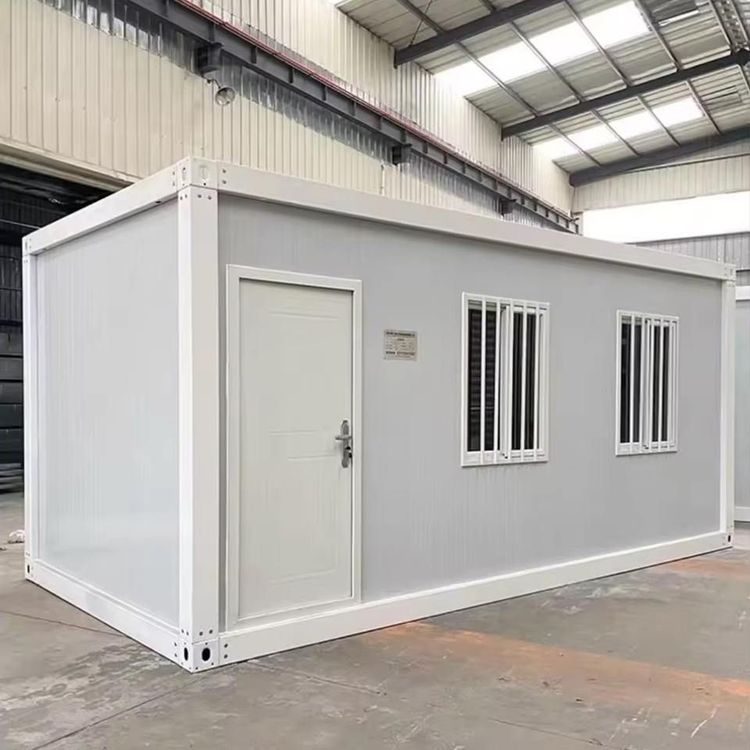
Yichun Ecological Mobile Environmental Toilet
The Yichun Ecological Mobile Environmental Toilet is a green solution designed to meet the sanitation needs of temporary crowds. It achieves a balance between flexibility and sustainability through modular design, biological treatment technology, and the application of clean energy.

1. Modular System Composition and Water-Saving Design
This toilet consists of an excreta treatment unit, a water circulation device, a structural frame, and a microbial decomposition system. The excreta treatment unit uses sealed containers for physical isolation to prevent pollution spread. The water circulation device filters hand-washing wastewater for secondary flushing, reducing water consumption to only 15%-20% of that of traditional toilets. This design significantly reduces reliance on external water sources, making it particularly suitable for water-scarce areas or temporary event scenarios.
2. Eco-Friendly Materials and Low-Carbon Processes
The toilet body is made of corrosion-resistant composite materials such as fiberglass or polyethylene, while internal fittings use one-time injection-molded plastic parts, reducing both weight and transportation damage rates. Over 70% of the materials are recyclable, and carbon emissions during transportation are reduced by 30%, aligning with the concept of a circular economy.
3. Biodegradation and Odor Control Technology
Specific models are equipped with decomposition tanks containing dedicated bacterial strains that convert solid waste into harmless substances without the need for chemical additives. High-end models also feature bio-filters that degrade odor molecules through microbial action, effectively reducing odor emissions and enhancing the user experience.
4. Environmentally Adaptive Design
- Scenic Area Applications: By centrally collecting excreta, pollution is controlled, and soil excavation that could damage vegetation is avoided. The toilets can be flexibly adjusted in position and quantity based on tourist traffic.
- Technological Iteration: Integrated solar power systems supply electricity for lighting and ventilation equipment. Some experimental models are testing rainwater collection functions to further reduce reliance on external energy sources.
5. Clean Maintenance and Standardized Management
Hydrogen peroxide-based, environmentally friendly disinfectants are used to avoid soil pollution caused by chlorine-based agents. All maintenance operations are recordable and traceable, forming a standardized management chain to ensure hygiene and safety.
6. Scenario-Based Configuration and Operational Models
- Tourist Attractions: These toilets balance aesthetics and durability, equipped with water-saving flushing systems and ventilation equipment.
- Construction Sites: Emphasis is placed on portability, supporting rapid disassembly and reassembly.
- Cultural Event Venues: Accessibility features are included to meet specific needs.
Scenic area managers can lease these toilets as needed, avoiding resource idleness during off-seasons and service pressure during peak seasons, while eliminating the need for long-term maintenance costs. New-generation products integrate real-time cleanliness monitoring and usage statistics functions, providing data support for management.
This facility is particularly suitable for eco-tourism zones, seasonal tourist destinations, and other locations with high environmental protection requirements, achieving synergistic development between sanitation facilities and ecological conservation through technological innovation.