
Yichun Craft Mobile Toilet
The Yichun craft mobile toilet exhibits significant features in terms of materials, design, treatment technology, and environmental protection, as detailed below:
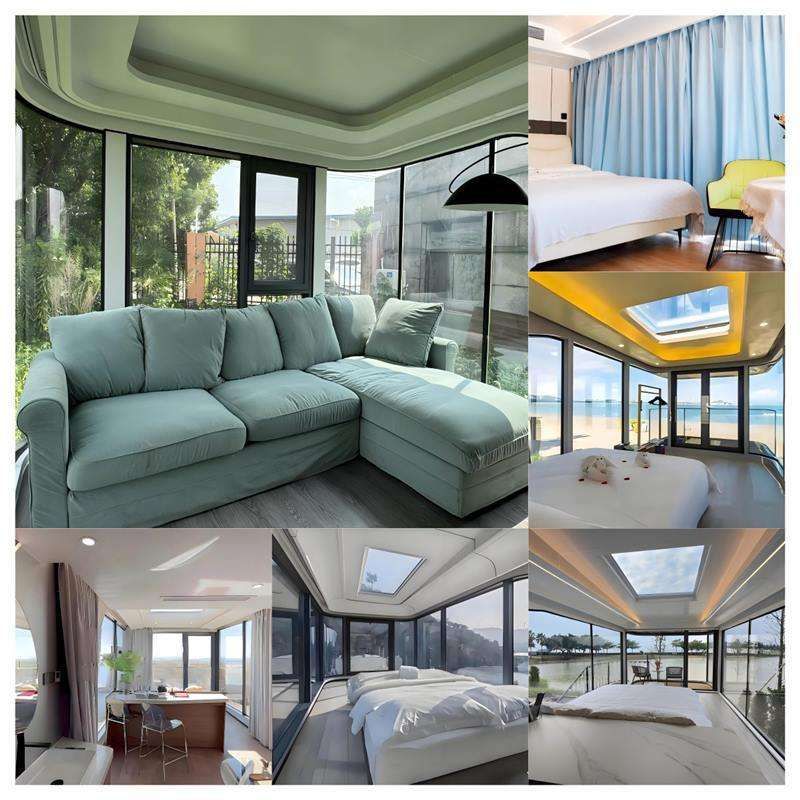
Material Selection: The main body of the mobile toilet is mostly made of high-strength plastics, composite materials, or lightweight metals (such as fiberglass-reinforced plastic and polyethylene). These materials possess corrosion-resistant properties, enabling them to adapt to complex outdoor environments and have a long service life, reducing the cost of frequent replacements. Some models also enhance their UV resistance through surface coating technology, extending their lifespan.
Modular Design: The main structure adopts a prefabricated modular design. After the main components are produced in the factory, only simple assembly is required on-site. This process significantly reduces construction dust, noise, and construction waste, while facilitating later maintenance and upgrades. For example, if a module is damaged, it can be directly replaced rather than requiring the entire structure to be demolished.
Excreta Treatment Technology: Some models are equipped with biodegradation or chemical treatment units. Biodegradation technology utilizes decomposition tanks with specialized bacteria to convert solid waste into harmless substances without the need for chemical additives; chemical treatment employs disinfectants to rapidly inactivate pathogens. Both methods reduce reliance on municipal sewage networks and are suitable for areas without sewers.
Water Recycling and Water Conservation: By collecting hand-washing wastewater and using it for flushing after simple filtration, water consumption is only 15%-20% of that of traditional flush toilets. Some high-end models also adopt vacuum suction technology to further reduce water usage, making them suitable for arid or water-scarce regions.
Microbial Treatment and Deodorization: A microbial decomposition system is introduced, and some models are equipped with biological filter beds to decompose odor molecules through microbial metabolism, achieving natural deodorization. Compared to traditional chemical deodorizers, this technology produces no secondary pollution and has lower operating costs.
Environmental Protection and Recyclability: The modular structure facilitates disassembly, with a recycling rate of over 70% for main materials (such as metals and plastics), allowing them to re-enter the recycling system. Additionally, the production process reduces the use of non-degradable materials like cement, lowering carbon emissions.
Cleaning and Maintenance System: Professional institutions have established standardized procedures, including regular disinfection, waste collection, and equipment inspection. Disinfectants are primarily hydrogen peroxide-based environmentally friendly products to avoid polluting soil and water sources.
Technological Iteration and Innovation: The latest models integrate solar power systems to provide electricity for lighting and ventilation equipment; experimental products are testing rainwater collection functions to further reduce reliance on external water sources, embodying a green and energy-saving philosophy.



