
Yichun Circulating Water Flush Mobile Toilet
The Yichun circulating water flush mobile toilet mainly adopts water circulation treatment technology to achieve water conservation and environmental protection functions. Its core principle involves purifying used sewage through physical filtration and disinfection techniques to meet reusable standards, thereby reducing reliance on fresh water resources. The following explains this from three aspects: technical principles, water-saving design, and application scenarios.
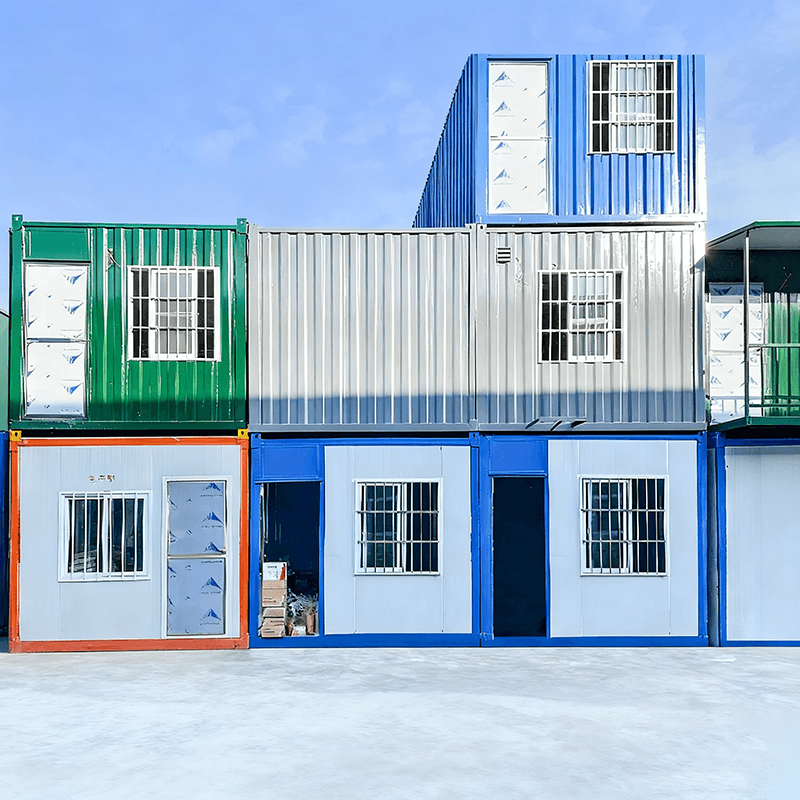
1. Technical Principles: Combination of Physical Filtration and Disinfection
The sewage purification process in circulating water flush mobile toilets consists of two key steps. First, a physical filtration system (such as multi-layer filters and activated carbon adsorption layers) removes solid impurities, suspended solids, and some organic matter from the sewage, ensuring initial water clarity. Second, chemical disinfection techniques (such as adding chlorine-based disinfectants) or ultraviolet disinfection devices are used to kill bacteria, viruses, and other pathogens in the water, preventing secondary pollution. Some advanced systems also incorporate biodegradation technology, utilizing microorganisms to decompose organic pollutants and further enhance purification effects. For example, the mobile toilets in Yichun's Mingyue Mountain Scenic Area employ such technology, enabling treated sewage to meet flushing water standards and forming a closed-loop cycle of "use-purification-reuse".
2. Water-Saving Design: Low Water Consumption and Resource Recovery
This type of toilet achieves water conservation through dual designs: first, by using water-saving flushing devices that require only 2-3 liters of clean water per flush (traditional toilets typically use about 6-9 liters per flush), significantly reducing single-flush water consumption; second, by employing a sewage recovery system that reuses purified water for subsequent flushing, achieving internal water resource circulation. According to estimates, this design can save over 80% of water per toilet per day, making it particularly suitable for areas with water scarcity or high water costs. Additionally, solid waste such as feces is directed through separate pipes into septic tanks or biological treatment units, where it undergoes harmless treatment and can be used as organic fertilizer, further embodying the concept of resource utilization.
3. Application Scenarios: Preferred Solutions for Scenic Areas and Public Spaces
Yichun's circulating water flush mobile toilets have been widely applied in tourist attractions, temporary event venues, and other scenarios. Taking Mingyue Mountain Scenic Area as an example, all designated mobile toilets there adopt water circulation technology, addressing issues of strong odors and poor sanitation in traditional dry toilets while avoiding water environmental pollution caused by direct-discharge toilets in the scenic area. During large-scale events (such as music festivals and exhibitions), these toilets can be rapidly deployed, reducing pressure on municipal water supplies through water recycling and lowering sewage discharge volumes, meeting the green and environmentally friendly requirements of event organization.
Summary: The Yichun circulating water flush mobile toilet achieves a balance between water conservation, environmental protection, and practicality through technological integration and innovative design, providing a sustainable solution for public toilet construction.



