Renovation of Mobile Toilets in Rural Areas of Yibin
Currently, no detailed policies or implementation plans specifically targeting the renovation of mobile toilets in rural areas of Yibin have been retrieved, but relevant situations can be analyzed based on existing information.

Current Rural Toilet Renovation Projects
The 2024 Rural Toilet Revolution Village-by-Village Promotion Project announced by the Gongxian County Agriculture and Rural Affairs Bureau primarily involves the renovation of rural household toilets, including methods such as constructing new outdoor harmless treatment facilities or renovating dry toilets. However, this announcement does not directly mention specific renovation content for 'mobile toilets'. This indicates that the current focus of rural toilet renovation in Yibin may be on improving the harmless treatment capabilities of toilets and enhancing the conditions of traditional dry toilets, with no clear plans yet for the specific type of mobile toilets.
Analysis of Characteristics and Applicability of Community Mobile Toilets
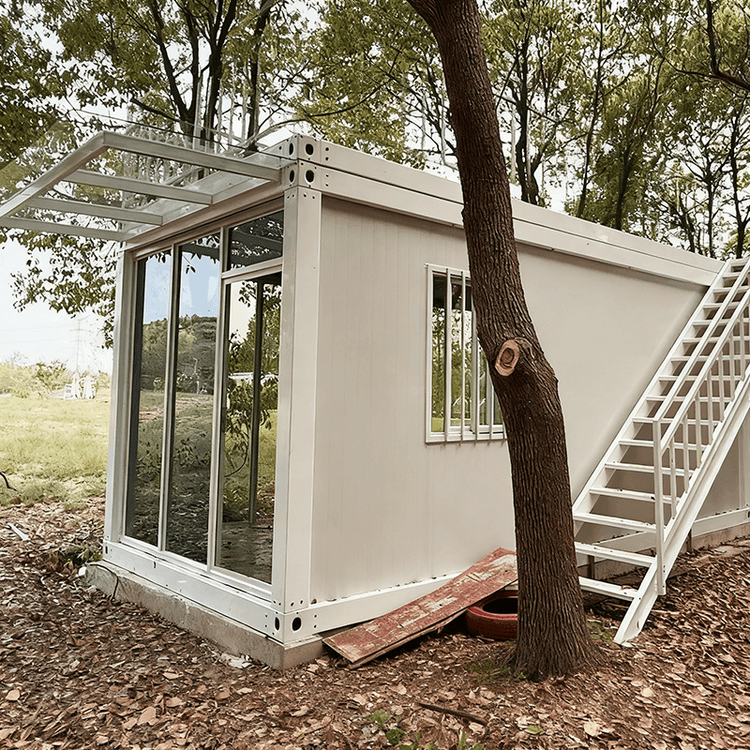
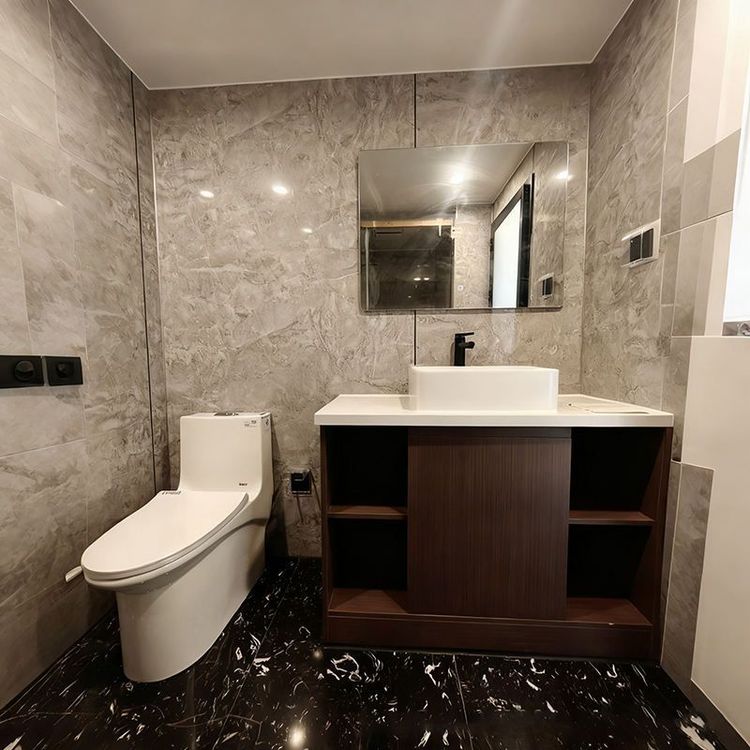
Mobile toilets in Yibin communities emphasize high quality and durability, featuring eco-friendliness, human-centered design, and harmony with the surrounding landscape. They are also easy to move and can be reused. Although these characteristics make community mobile toilets well-suited for community environments, there are differences between communities and rural areas in terms of geographical environment, usage needs, and population density. Rural areas may place greater emphasis on the practicality and cost-effectiveness of toilets, and some rural areas have complex terrains, posing certain challenges for the movement and installation of mobile toilets. Therefore, the characteristics of community mobile toilets cannot be directly equated with being applicable to rural renovation scenarios.
Experience Reference from Rural Toilet Renovation in Other Areas
Xuzhou District has promoted the improvement of rural toilet renovation quality and efficiency through 'three reinforcements', including reinforcing organizational support, problem rectification, and supervision and management, with a focus on addressing quality issues and fund utilization. This experience indicates that strengthening organizational management, ensuring project quality, and rational fund utilization are key in the process of rural toilet renovation. Although Xuzhou District does not mention specific measures for mobile toilet renovation, this experience can provide certain references for the renovation of mobile toilets in rural areas of Yibin, namely, that attention should also be paid to organizational management, quality control, and fund supervision when promoting mobile toilet renovation.