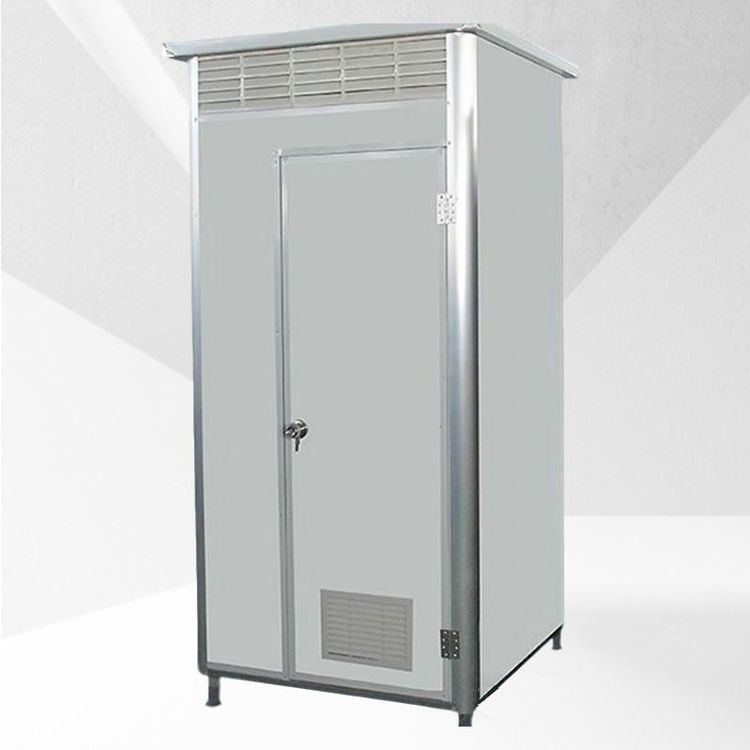
Yantai Mobile Toilet Sewage Disposal
There are mainly three methods for fecal disposal in Yantai mobile toilets: sewage disposal systems, eco-friendly toilets, and eco-friendly bucket-type toilets. Details are as follows:

Sewage Disposal Systems: Some Yantai mobile toilets are equipped with comprehensive sewage disposal systems. These systems work by directly discharging feces and sewage into the municipal sewage network through specific pipelines. This disposal method requires certain conditions to be met, namely that the location of the mobile toilet must have access to the sewage network and be equipped with corresponding facilities. Only when these conditions are satisfied can feces and sewage smoothly enter the municipal sewage network and undergo centralized and effective treatment at sewage treatment plants and other facilities, thereby avoiding pollution to the surrounding environment.
Eco-Friendly Toilets: Eco-friendly toilets are intelligent mobile toilet facilities that use chemicals or biological fermentation agents to treat feces. These chemicals or biological fermentation agents play a crucial role in the treatment process, reducing the odor produced by feces and decomposing harmful substances within them. After such treatment, the nature of the feces changes significantly, turning into odorless and harmless substances that can be used as fertilizer to provide nutrients for plant growth or converted into digestate for resource reuse, greatly reducing environmental pollution.
Eco-Friendly Bucket-Type Toilets: Eco-friendly bucket-type toilets employ a separation and collection system to separately collect feces and urine. This separation and collection method effectively reduces odor and pollution generation. The collected feces can undergo subsequent treatment, such as composting, where microorganisms decompose the feces into organic fertilizer for agricultural use. Alternatively, anaerobic digestion technology can be used to decompose the feces under oxygen-free conditions to produce energy substances like biogas. The collected urine, after appropriate treatment, can be used for plant irrigation, achieving water resource recycling.