
Yantai Color Steel Mobile Toilet Customization
Color steel mobile toilets in Yantai can be customized, and relevant manufacturers such as Cangzhou Hengtai Sanitation Equipment Co., Ltd. can provide customized services according to customer needs. Here is a detailed introduction to the customization of color steel mobile toilets in Yantai:
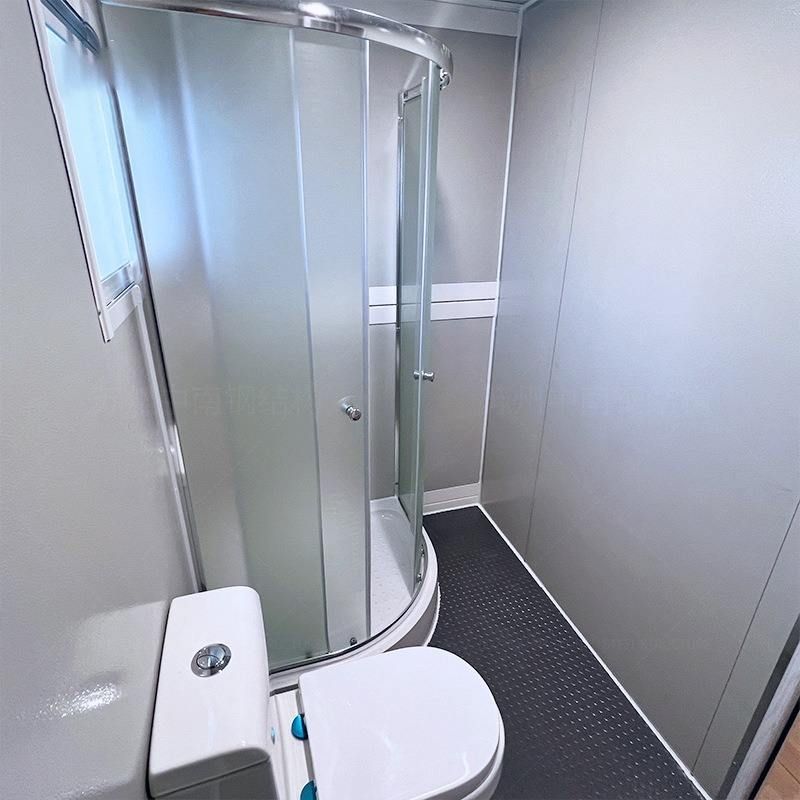
I. Basic Customization Information
The customization service for color steel mobile toilets allows customers to choose different models, specifications, and materials according to their specific needs. For example, Cangzhou Hengtai Sanitation Equipment Co., Ltd. offers products such as model HT021-3 with specifications of 120016003000. This size design takes into account both the comfort of use and the convenience of mobility and installation. In terms of materials, customers can choose from a variety of options such as color steel plates, metal carved plates, anti-corrosion wood, and aluminum-plastic plates. These materials are not only aesthetically pleasing and durable but also adaptable to different environmental conditions.
II. Applicable Temperature Range
Customized color steel mobile toilets have a wide applicable temperature range, functioning normally from -50℃ to 50℃. This means that whether in the cold north or the hot south, these mobile toilets can maintain stable performance and meet the usage needs of different regions.
III. Type Selection
In addition to basic specification and material customization, customers can also choose different types of mobile toilets according to their actual needs. Cangzhou Hengtai Sanitation Equipment Co., Ltd. offers various types such as flushing, waterless packing, foam sealing, microbial, and soda water flushing, each with its unique advantages and applicable scenarios. For example, flushing mobile toilets are suitable for places with a water source, while waterless packing types are more suitable for areas with water shortages or inconvenient water sources.
IV. Customization Process
The process of customizing color steel mobile toilets typically includes steps such as demand communication, plan design, production, and installation and debugging. Customers need to communicate their needs in detail with the manufacturer, including usage scenarios, number of users, budget, etc., so that the manufacturer can design a plan that best meets the customer's needs.



