
Yantai Aluminum-Plastic Board Mobile Toilet
In the Yantai region, when mobile toilets use materials related to aluminum-plastic boards, they are typically replaced with similar high-performance panels, which are durable, aesthetically pleasing, and highly functional. The following provides an in-depth explanation from three aspects: material characteristics, application advantages, and practical cases.
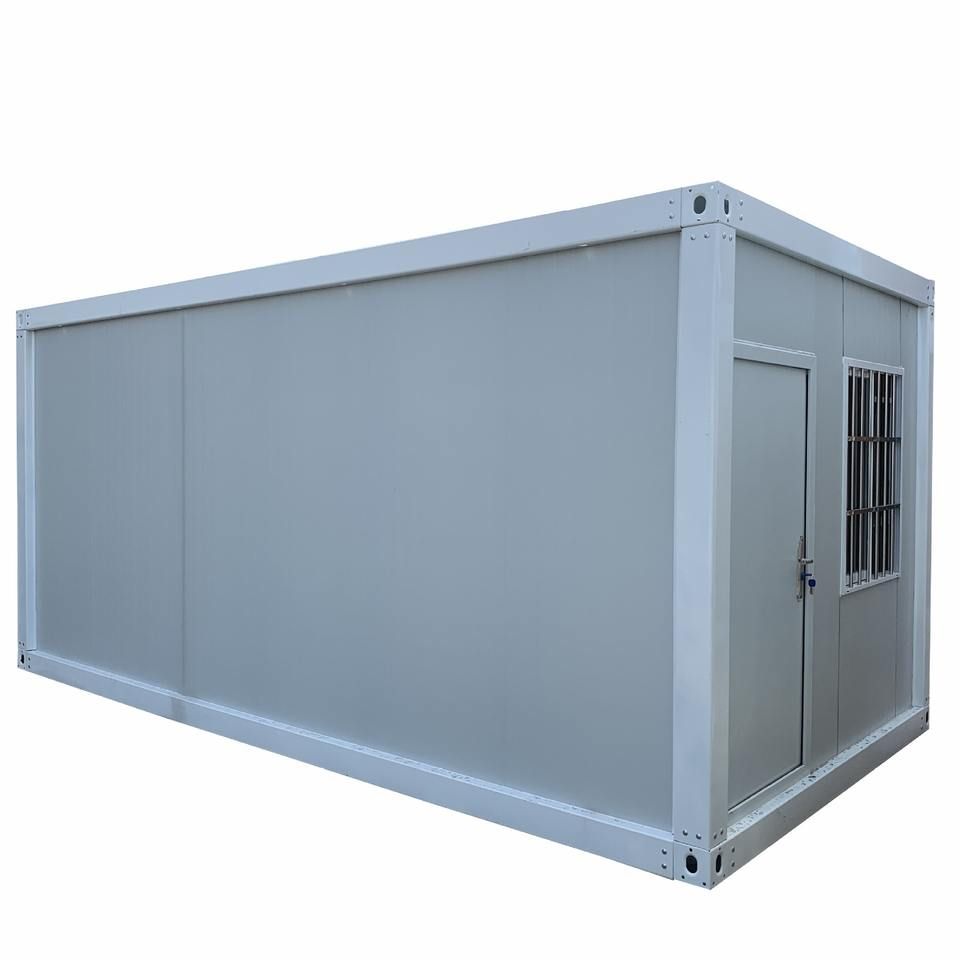
Material Characteristics: High-Performance Panels as Alternatives to Aluminum-Plastic Boards
Common materials for mobile toilets in Yantai include polyurethane sandwich color-steel composite panels, imported metal embossed panels, and fluorocarbon-coated steel panels, among others. Although these materials are not traditional aluminum-plastic boards, they offer superior performance:
- Polyurethane sandwich color-steel composite panels: Composed of two layers of color-coated steel plates with a polyurethane foam layer in between, these panels are low in density and high in strength, providing both sound insulation and thermal insulation. They effectively block external noise (reducing noise by over 30 decibels) and temperature changes (with a thermal conductivity coefficient ≤ 0.024W/m·K), making them suitable for extreme outdoor weather conditions.
- Imported metal embossed panels: Featuring a metal embossing process on the surface, these panels are corrosion-resistant and aging-resistant. Treated with a special coating, they can withstand ultraviolet rays and acid rain, with a service life of over 15 years. The internal insulation material further enhances their thermal insulation properties.
- Fluorocarbon-coated steel panels: Based on galvanized steel plates, these panels are coated with a fluorocarbon resin layer on the surface, offering strong self-cleaning properties and long-lasting color. Even when exposed to humid or polluted environments for extended periods, they can maintain a clean surface, reducing maintenance costs.
Application Advantages: Combining Functionality and Practicality
The application of these materials in mobile toilets addresses the pain points of traditional materials:
- Flame retardancy: Polyurethane sandwich panels achieve a B1 fire rating by adding flame retardants; the base material of fluorocarbon-coated steel panels is galvanized steel, which is non-flammable, meeting the fire safety requirements of public buildings.
- Aging resistance: The coatings on metal embossed panels and fluorocarbon-coated steel panels can withstand temperature variations from -40℃ to 80℃, preventing cracking or deformation caused by thermal expansion and contraction, and adapting to the high-humidity environment of Yantai's coastal areas.
- Aesthetic appeal: Metal embossed panels offer a variety of texture options (such as wood grain and stone grain), while fluorocarbon-coated steel panels support custom colors, allowing them to harmonize with the surrounding environment and enhance the city's image.
Practical Cases: Material Selection for Mobile Toilets in Yantai
Some scenic spots and construction sites in Yantai have adopted mobile toilets made from these materials. For example, a mobile toilet in a coastal park uses polyurethane sandwich color-steel composite panels, with indoor temperatures 5-8℃ higher than outdoor temperatures in winter and significant thermal insulation effects in summer; a mobile toilet at a construction site uses fluorocarbon-coated steel panels, which have shown no fading or peeling of the surface coating after two years of exposure to wind and sun, reducing maintenance frequency by 60%.
If users need further information on the potential applications of aluminum-plastic boards in mobile toilets, they can explore composite use schemes combining the lightweight and easy-to-process characteristics of aluminum-plastic boards with the aforementioned materials. However, it should be noted that the fire rating of aluminum-plastic boards (usually B2) may require additional treatment to meet public building standards.



