Back to blog
Article
Yangzhou Single Mobile Toilet Rental
Admin September 27, 2026
Renting single mobile toilets in Yangzhou requires following a process that includes demand analysis and service provider engagement. Details are as follows:
Initial Demand Analysis and Confirmation
- Activity or Scenario Assessment: It is necessary to clarify the usage scenario, such as large-scale cultural festivals, sports events, or construction sites. Different scenarios have significant differences in toilet usage frequency, peak foot traffic, and crowd needs. For example, construction sites need to consider the long-term usage needs of workers, while festivals need to handle short-term high foot traffic.
- Quantity and Location Planning: Calculate the required quantity based on daily average foot traffic, event duration, and crowd gathering patterns. Location selection should consider traffic convenience, impact on public order, and access for waste removal vehicles, as well as proximity to water and power sources (if water-flush or lighting functions are required).
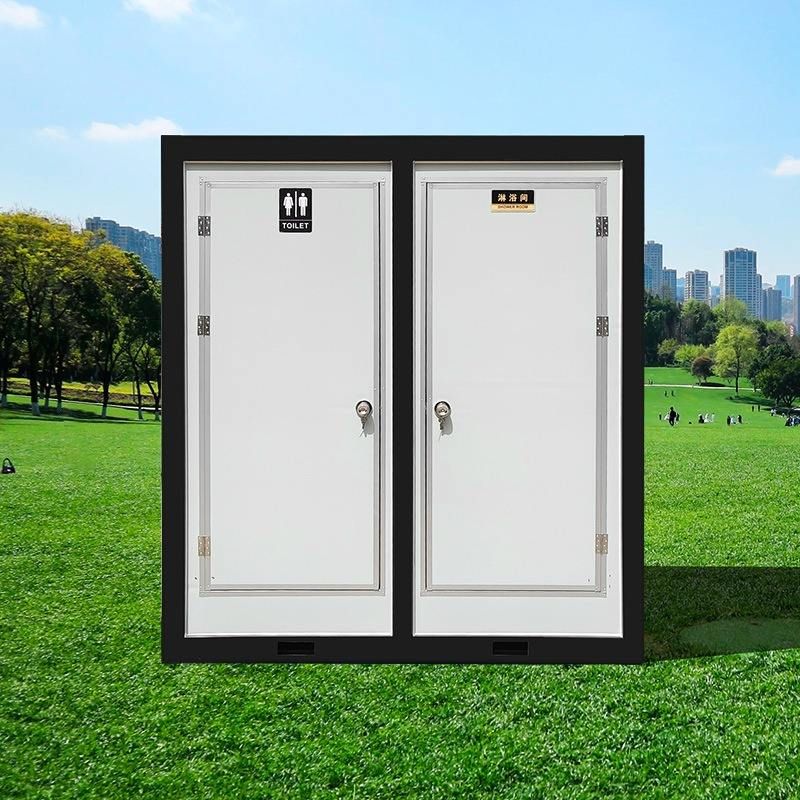
- Specification and Function Selection: Single mobile toilets come in various configurations. The basic model includes a squat toilet, waste storage tank, and ventilation opening; upgraded features include water-saving flush devices, sinks, lighting, and barrier-free access. Selection should be based on scenario comfort requirements, budget, and water and electricity conditions. For example, outdoor locations without power should avoid functions that rely on electricity.
- Usage Time Determination: Clearly define the rental start and end dates, including equipment delivery and installation, availability for use, and removal times. The rental period directly affects costs and service plans.
Service Provider Engagement and Plan Finalization
- Information Communication: Provide detailed requirements to the service provider, including time, location, quantity, specifications, and on-site information (such as ground conditions, passage width, obstacles), to ensure the plan fits the actual situation.
- Plan Provision and Interpretation: The service provider should issue a preliminary plan that includes equipment models, configurations, quantities, costs (rental, delivery and installation, cleaning and maintenance, removal and waste disposal), and service details. Each item should be carefully checked.
- On-Site Survey Recommendation: For large events or complex sites, it is recommended that the service provider conduct an on-site survey to confirm location feasibility and vehicle routes, avoiding obstacles during subsequent installation or waste removal.
- Service Terms Confirmation: Clarify the rights and responsibilities of both parties, focusing on equipment maintenance responsibilities, handling of accidental damage, and cleaning standards (such as the number of daily cleanings and frequency of consumable replenishment).
Local Resources in Yangzhou for Reference
Service providers such as Liwei 365 (4000-365-770) have their own production bases and have served large-scale events like the Olympics. They offer water-saving devices (single flush of 0.3-0.5 liters). Brands include Changjiu Environmental Protection and Xuhu, with materials ranging from stainless steel to aluminum-plastic panels, and flush methods including automatic, manual, and foot-pedal options.