
Yangzhou Intelligent Mobile Toilet Materials
Common materials for intelligent mobile toilets in Yangzhou include fiberglass reinforced plastic, high-strength polyethylene, color-coated steel sheets, metal embossed panels, anti-corrosion wood, and aluminum-plastic panels, with specific choices depending on functional requirements and usage scenarios.
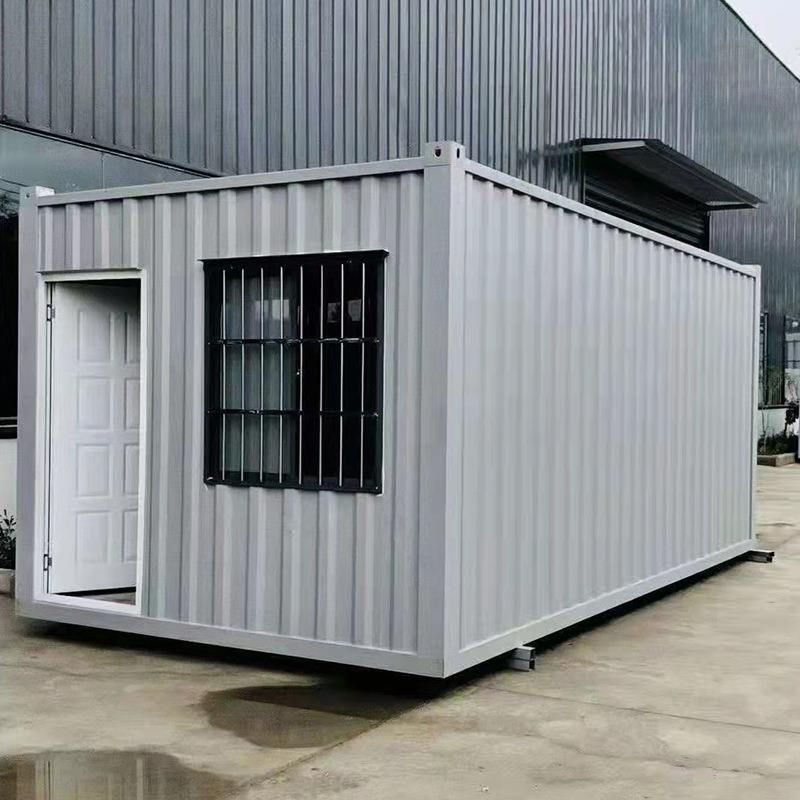
Fiberglass reinforced plastic or high-strength polyethylene are the core structural materials for intelligent mobile toilets in Yangzhou. Fiberglass reinforced plastic, with glass fibers as the reinforcing material and resin as the matrix, has a low thermal conductivity coefficient, effectively reducing indoor-outdoor heat exchange and enhancing thermal insulation performance. It also has strong resistance to ultraviolet aging, allowing it to be exposed to outdoor environments for long periods without fading or cracking. Additionally, fiberglass reinforced plastic can be rapidly molded through mold-based production, reducing manufacturing costs and ensuring structural consistency. High-strength polyethylene is characterized by its lightweight nature, corrosion resistance, and impact resistance, making it suitable for scenarios requiring frequent movement or complex terrains. Its chemical stability prevents material degradation caused by environmental humidity or pollutants.
The selection of wall materials places greater emphasis on functionality and aesthetics. Color-coated steel sheets are composed of color-coated steel plates and polyurethane or other core materials, offering fire resistance, moisture resistance, and sound insulation properties. Their rich surface colors can meet the design needs of different environments. Metal embossed panels are formed through embossing processes on metal plates, enhancing structural strength and creating a three-dimensional texture that improves visual appeal. They are commonly used for the exterior decoration of high-end mobile toilets. Anti-corrosion wood, based on natural wood and treated for corrosion resistance, possesses weather resistance and insect resistance properties, making it suitable for natural settings such as parks and scenic spots, creating an ecological atmosphere that harmonizes with the surrounding environment. Aluminum-plastic panels, composed of aluminum plates and plastic core materials, have the advantages of being lightweight and easy to process. They can be bent and cut to achieve diverse shapes, and their surfaces can be sprayed with different colors to meet personalized design requirements.
Material selection requires comprehensive consideration of usage scenarios, costs, and maintenance needs. For example, fiberglass reinforced plastic and high-strength polyethylene, due to their strong weather resistance, are suitable for long-term outdoor use. Color-coated steel sheets and aluminum-plastic panels, with their lower costs, are suitable for large-scale deployments. Metal embossed panels and anti-corrosion wood, on the other hand, focus more on decorative aspects and are often used in venues with high image requirements. Additionally, all materials must meet environmental standards to avoid secondary pollution to the environment.



