Yangzhou Intelligent Mobile Toilet Installation
The installation of intelligent mobile toilets in Yangzhou mainly includes core steps such as modular transportation, on-site positioning, system connection, and function activation.
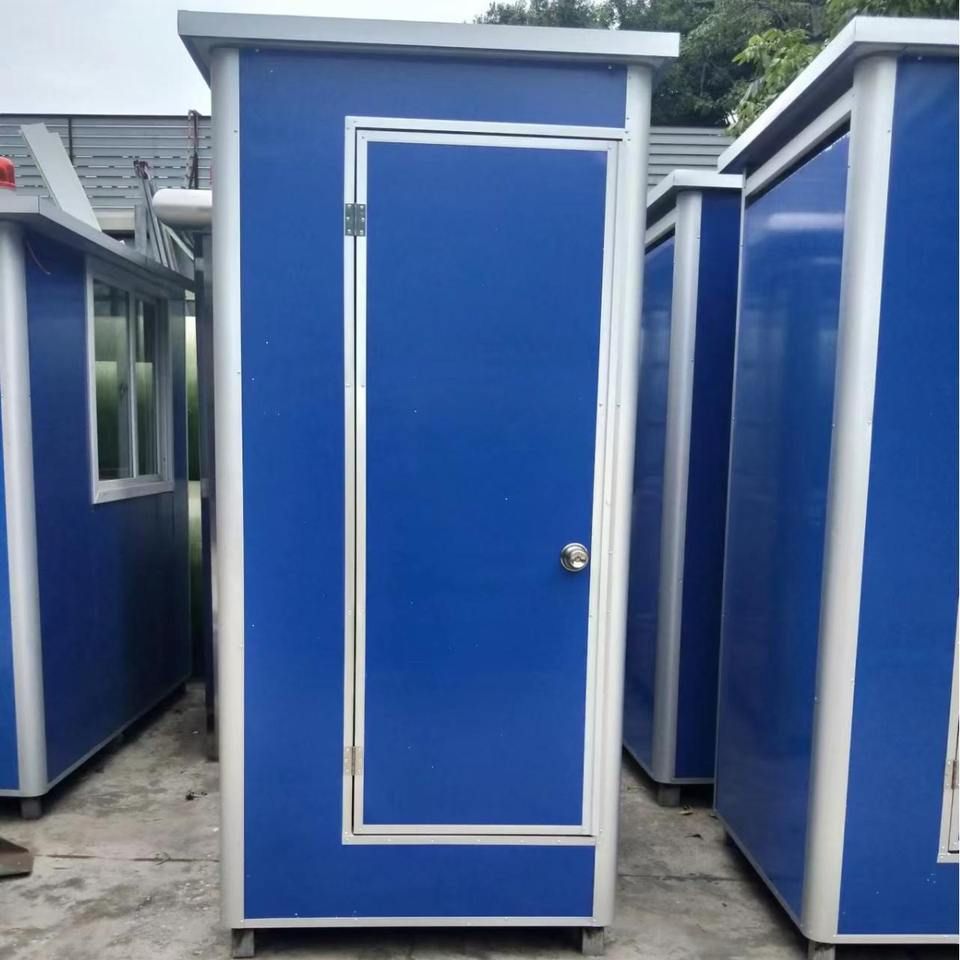
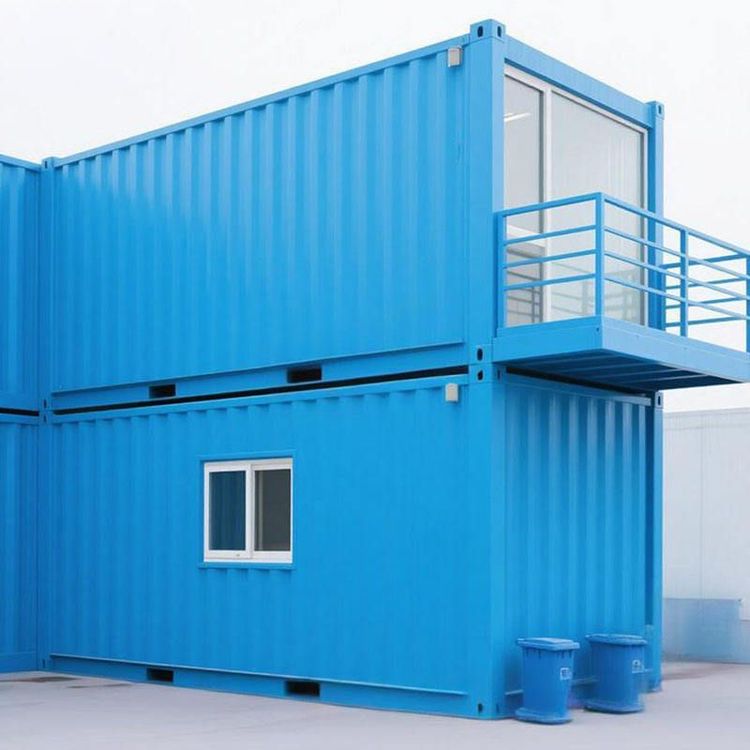
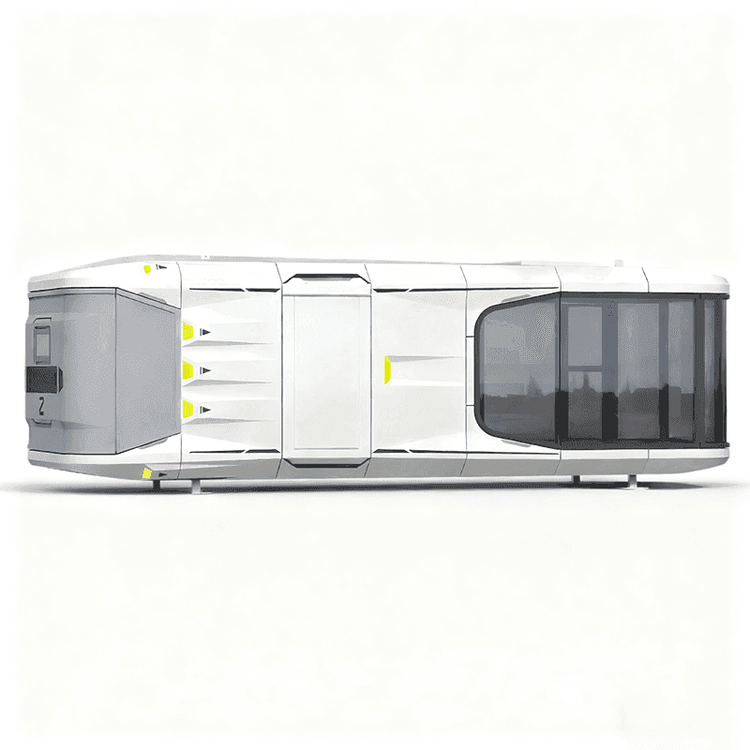
Modular transportation is the foundational step of the installation. Manufactured intelligent mobile toilet facilities are usually transported in the form of whole containers or split modules. Whole containers are suitable for small, compact toilets and can be directly hoisted and transported as a whole. Split modules are designed for large or functionally complex toilets, where different functional areas (such as the toilet area, management room, equipment room, etc.) are divided into independent modules for easy transportation and on-site assembly. During transportation, specialized transport vehicles are required to ensure the stability of the modules and prevent collision damage.
On-site positioning is a crucial step in the installation. After the equipment arrives at the installation site, it is necessary to use hoisting machinery or specialized tools to precisely hoist and place the modules at the predetermined positions. When positioning, factors such as terrain, drainage direction, and surrounding environment need to be considered to ensure a reasonable toilet layout. After hoisting, horizontal calibration is required, using tools such as spirit levels to adjust the module angles and ensure the overall stability of the toilet. At the same time, preliminary fixation is carried out, using bolts, welding, etc., to connect the modules to the foundation and prevent displacement during subsequent construction or use.
System connection involves the connection of infrastructure such as water and electricity. After positioning, it is necessary to connect the water supply pipelines to ensure stable water pressure and meet the toilet's water demand. Connect the sewage pipes to the municipal sewer network. If connection to the municipal sewer network is not possible, sealing devices such as septic tanks or sewage lift pumps need to be installed to ensure proper sewage treatment. In addition, the electrical system needs to be connected to supply power to equipment such as lighting, ventilation, and intelligent control systems to ensure the normal operation of the toilet's functions.
Function activation is the final step of the installation. After system connection, it is necessary to debug various functions of the toilet, including the flushing system, ventilation system, and intelligent control system, to ensure the normal operation of the equipment. At the same time, cleaning and disinfection are carried out to prepare for putting the toilet into use.