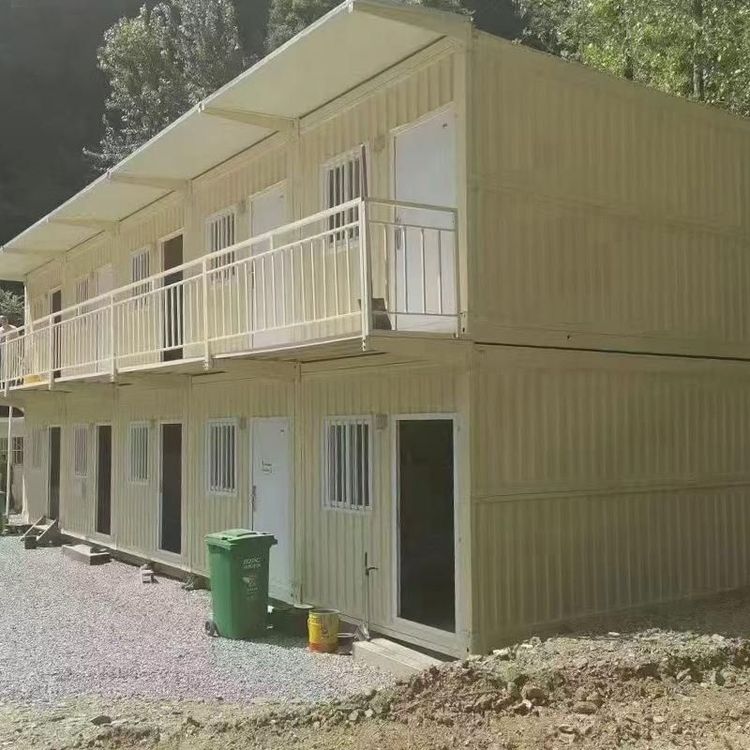
Yangquan Mobile Toilet Installation
The installation of mobile toilets in Yangquan typically involves standardized processes such as ground surveying, level calibration, pipeline connection, and structural fixation, with specific adjustments based on equipment type and site conditions.
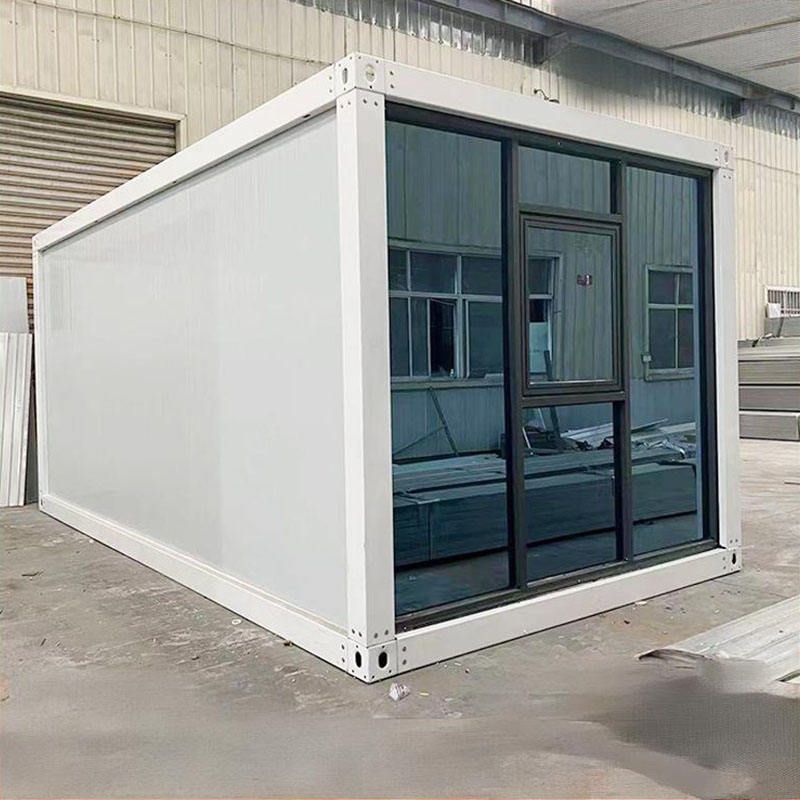
Pre-installation Preparations
Before installing a mobile toilet, a ground survey must be conducted to confirm site flatness, drainage conditions, and pipeline connection locations. For example, if connecting to the municipal sewage system, the distance to the interface must be measured in advance, and pipeline routing planned; for independent use scenarios, space must be reserved for a septic tank or waste storage tank. Additionally, the site's load-bearing capacity must be assessed to ensure the mobile toilet's steel frame (e.g., bottom channel steel, upright square steel) can stably support the entire structure.
Structural Installation and Material Fixation
The main frame of a mobile toilet is typically constructed from welded steel, with channel steel or I-beams used at the base for enhanced load-bearing capacity and square steel for upright stability. Wall materials are often color-coated steel plates or fiberglass-reinforced plastic. During installation, fixed components are pre-embedded in the frame, and wall panels are pieced together one by one using bolts or rivets. For example, mobile toilets from Cangzhou Hengtai Environmental Sanitation Equipment Co., Ltd. feature a modular design, requiring airtight connections between walls and frames to prevent rainwater leakage or odor diffusion.
Pipeline Connection and Functional Testing
Pipeline connection is a core part of the installation process, requiring different pipes to be connected based on the mobile toilet's type (e.g., water-flush, foam-sealing, or packaging type). Water-flush toilets require connection to water inlet and sewage pipes, along with the installation of a water pump and tank; foam-sealing toilets need a foam liquid tank and foaming device; packaging toilets require connection to a waste storage tank and installation of an overflow alarm system. After installation, level calibration must be performed to ensure the toilet is not tilted, and functions such as flushing, ventilation, and lighting must be tested for normal operation.
Localized Service Support
Professional companies in Yangquan offer integrated services for mobile toilet rental, sales, and installation. These companies typically have professional teams that can recommend suitable models based on customer needs (e.g., event duration, foot traffic) and adjust installation plans on-site. For example, lightweight color-coated steel toilets may be chosen for temporary events, while fiberglass models with corrosion resistance are recommended for long-term use. After installation, suppliers also provide maintenance guidance to ensure long-term stable operation of the equipment.