
Materials for Mobile Toilets in Yangpu District
Mobile toilets in Yangpu District primarily utilize materials such as color-coated steel plates, fiberglass-reinforced plastics, stainless steel, and metal embossed panels, with steel serving as the main framework material. The following provides an introduction based on different material types:
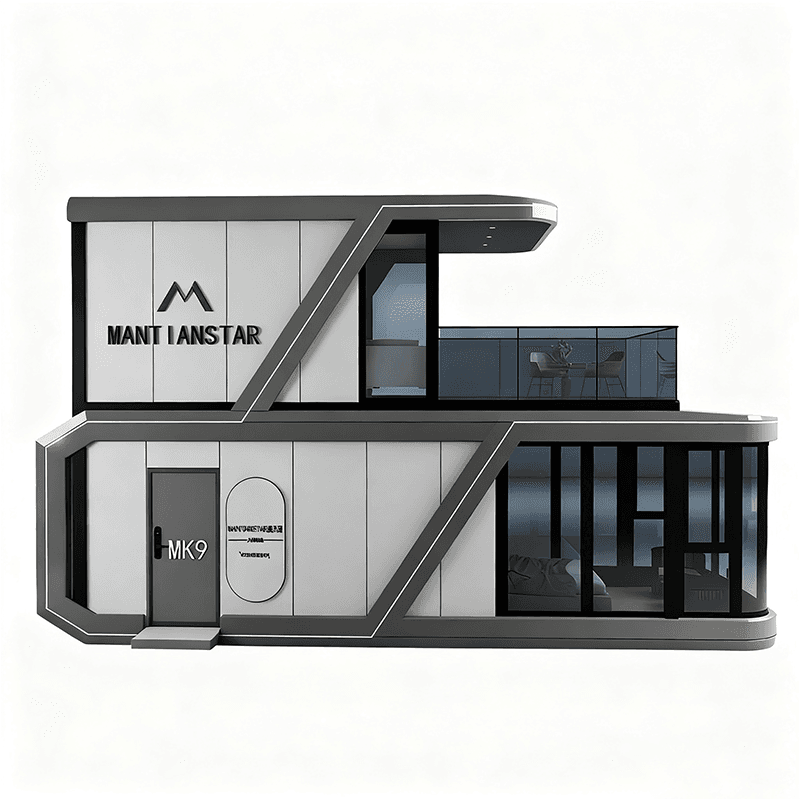
I. Wall and Panel Materials
Color-Coated Steel Plates
Composed of color-coated steel sheets combined with foam, rock wool, or other core materials, they feature lightweight, easy installation, and low cost. The core materials offer thermal insulation, making them suitable for cost-sensitive scenarios requiring rapid deployment. The coated steel surface is weather-resistant, but rust prevention measures are necessary for long-term exposure to humid environments.Stainless Steel
Renowned for its high strength and corrosion resistance, stainless steel boasts excellent durability, making it ideal for corrosive environments such as high-humidity or coastal areas. Its smooth surface is easy to clean, with a modern and simple appearance, though it comes at a relatively higher cost and is often used in public places with high aesthetic and long-term usability requirements.Fiberglass-Reinforced Plastics
Made from glass fibers and synthetic resins, they combine lightweight, high strength, corrosion resistance, and aging resistance. Their strong moldability allows for the creation of complex shapes to meet personalized design needs, while their low maintenance cost makes them a preferred material for long-term outdoor use.Metal Embossed Panels
Featuring three-dimensional patterns formed through special processes on their surfaces, they combine decorative and functional properties. They are weather-resistant, capable of withstanding ultraviolet rays and acid rain, and are easy to install, often used in mobile toilets with high aesthetic requirements.
II. Framework Materials
The load-bearing framework of mobile toilets typically employs steel welding techniques:
- Bottom Structure: Welded using channel steel or I-beams to ensure overall stability and withstand the weight of personnel and equipment.
- Columns: Made from square steel to provide vertical support and enhance wind and earthquake resistance.
The steel framework requires rust prevention treatment (such as painting or galvanizing) to extend its service life.
III. Basis for Material Selection
The material selection for mobile toilets in Yangpu District takes into account functionality, economy, and environmental adaptability: Color-coated steel plates and fiberglass-reinforced plastics are suitable for scenarios requiring rapid deployment and cost control; stainless steel and metal embossed panels meet the needs of high-end or special environments; the steel framework ensures structural safety. In actual projects, material combinations may be adjusted according to specific requirements, such as increasing the proportion of stainless steel in humid areas or selecting color-coated steel plate cores with better thermal insulation in cold regions.
You may also like

Portable Toilet Eco-Friendly: MOQ, Samples & Quotation Guide
Read More
Top Portable Toilet Color Steel Manufacturers: How to Choose a Factory Partner
Read MorePortable Toilet Picture: Types, Features & Buying Tips
Read More