
Back to blog
Article
How to Install Mobile Toilets in Yanbian
Admin October 08, 2026
The installation of mobile toilets in Yanbian requires selecting the appropriate process based on the type, with core steps including positioning preparation, main body installation, and functional debugging, all in compliance with industry standards.
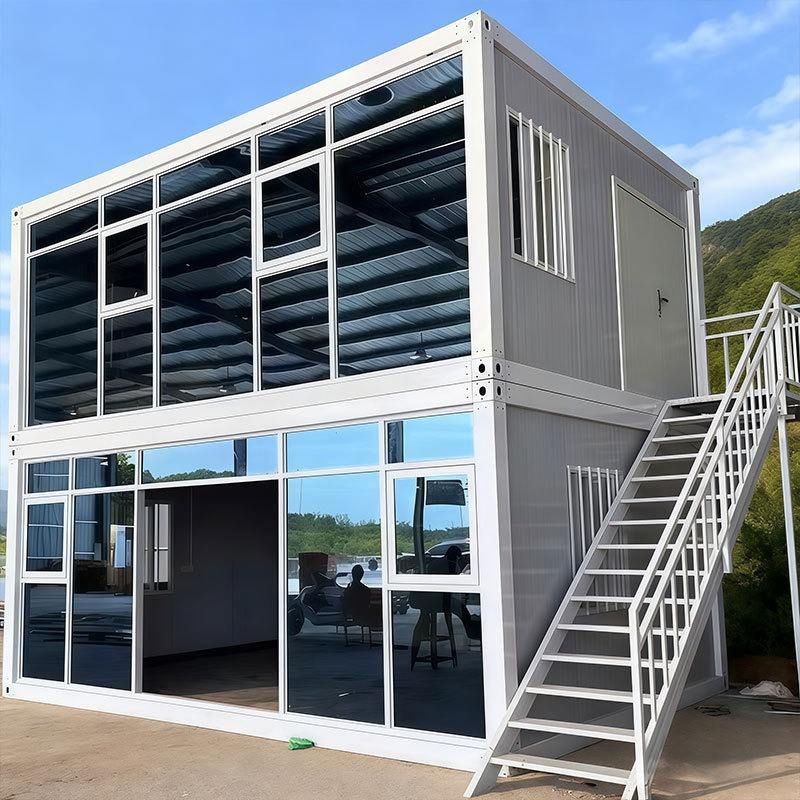
I. Positioning and Basic Preparation
- Site Planning: Determine the installation location based on usage needs, prioritizing areas with solid ground and good drainage. If the site has soft soil or uneven ground, hardening treatment (such as pouring concrete) or laying steel plates should be carried out in advance to ensure stability after installation.
- Drainage Planning: If connecting to municipal sewage pipes or a dedicated septic tank, plan the pipeline route in advance and reserve interface positions; waterless or biodegradable toilets can skip this step, but ensure good ventilation at the site.
II. Main Structure Installation
Modular Mobile Toilets:
- Chassis and Frame Positioning: Use a forklift or manual labor to place the prefabricated steel structure chassis smoothly, adjusting it to a level state with a level gauge to avoid tilting during subsequent installation.
- Wall and Roof Installation: Insert the sandwich panel wall panels into the chassis slots one by one, securing them with bolts or clips; after installing the roof panel, seal the gaps (e.g., with waterproof glue) to prevent rainwater leakage.
- Internal Facility Connection: Install partitions, toilets, flushing systems, sinks (if any), lighting, and ventilation equipment, using modular quick connectors for water and electrical lines to shorten installation time.
Integrated Mobile Toilets (Box-Type Toilets):
- The factory has completed interior decoration and equipment integration. On-site, simply use a crane to lift the entire structure to the designated location and connect the water, electricity, and sewage pipes, reducing installation time to 2-4 hours.
III. Functional Inspection and Debugging
- Flush Testing: Check if the toilet flushes smoothly and if the water volume meets standards to avoid blockages or leaks.
- Electrical Circuit Inspection: Confirm that lighting and ventilation equipment are powered on normally, with no short circuits or poor contacts.
- Seal Inspection: Focus on checking the seals at wall joints, the connection between the roof and walls, and pipeline interfaces to ensure no leakage.
IV. Supplementary Information for Special Scenarios
- Sewage Pipe Connection: If connecting to municipal pipes or a septic tank, professional operation is required, extending installation time; waterless toilets can skip this step but require regular cleaning of waste.
- Foldable/Telescopic Toilets: These have higher installation efficiency but require regular inspection of structural strength to avoid reduced durability due to frequent folding.
Precautions: Installation should refer to industry standards such as the "Hygiene Code for Mobile Toilets" (GB/T 21239-2023). It is recommended to have a professional construction team handle the installation to avoid equipment damage or safety hazards due to improper operation.



