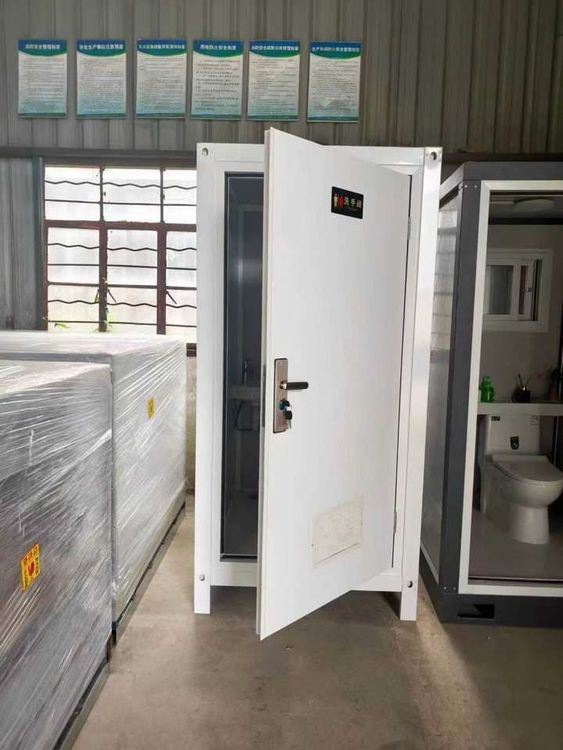
Yacheng District Mobile Toilet Installation
The installation of mobile toilets in Yacheng District requires different approval processes depending on the usage scenario and duration, as detailed below:
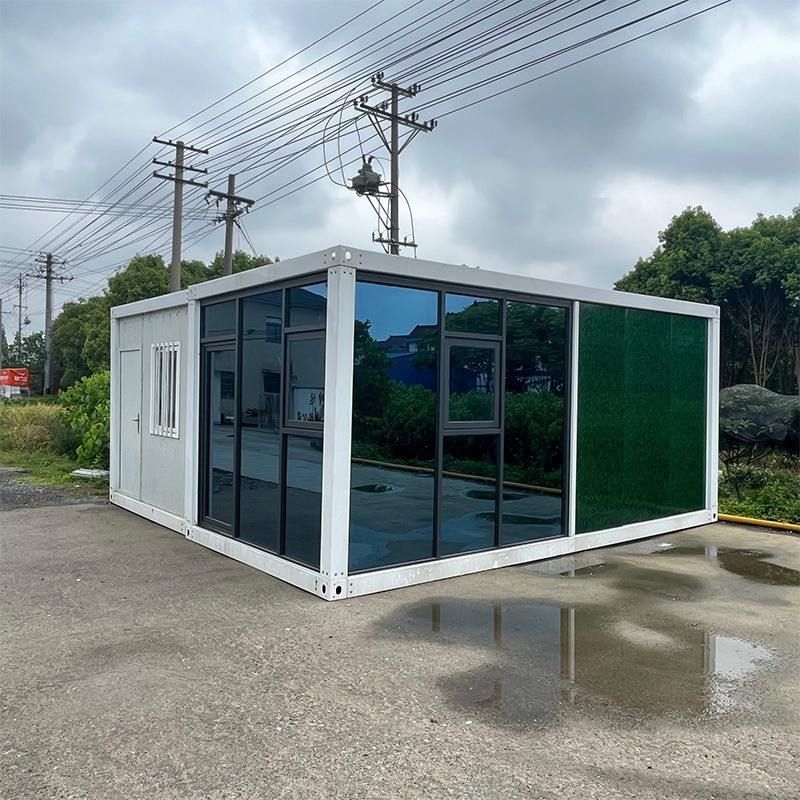
I. Temporary Placement (e.g., exhibitions, events)
If the mobile toilet is for short-term temporary use (typically not exceeding 3 months), the installation process is relatively simplified. It only requires reporting to the venue management with basic information such as usage time, location, and quantity, without the need to submit complex materials to other departments. In such scenarios, toilets are usually placed inside or on the vacant land around the event venue, not involving the occupation of public resources, so there are fewer approval steps. However, it should be noted that if the event venue involves municipal roads or public green spaces, prior communication with relevant departments is still necessary to avoid subsequent disputes.
II. Long-term Installation in Public Places (exceeding 3 months)
If mobile toilets need to be installed permanently in public places, a formal approval process must be followed. The main steps include:
- Application to urban management and sanitation departments: Materials such as a location diagram (clearly indicating the specific placement of the toilet), equipment specifications (e.g., size, sewage disposal method, capacity), usage duration, and maintenance plan must be submitted. The approval department will assess whether the toilet complies with urban management regulations, such as whether it affects the cityscape or is convenient for waste removal.
- Additional permits required for occupying public resources: If the toilet needs to be placed in public areas such as roads or green belts, separate applications must be made to the municipal department (for road occupation) or the gardening department (for green belt occupation). Unauthorized placement without a permit may result in a requirement for rectification within a specified time or a fine.
III. Key Considerations
- Material authenticity: The submitted location diagram, equipment specifications, etc., must be consistent with the actual installation situation to avoid approval rejection due to inconsistent information.
- Maintenance responsibility: For long-term installations, the maintenance entity (e.g., the installer or venue management) must be clearly defined to ensure regular cleaning and disinfection, avoiding sanitation issues.
- Compliance inspection: After installation, the toilet may be subject to spot checks by urban management, sanitation, and other departments, so approval documents must be retained for inspection.
Summary: Temporary use mainly involves reporting, while permanent installation requires joint approval from multiple departments, with additional permit applications needed for occupying public resources. It is recommended to consult local urban management or sanitation departments in advance to clarify specific requirements and ensure process compliance.