Xuzhuang Mobile Toilet
No specific information about the 'Xuzhuang Mobile Toilet' has been found at present. However, we can learn about the relevant situation of Xuzhuang Village, Beicheng Office, Gaoping City in the rural 'toilet revolution'. Here is a detailed introduction:
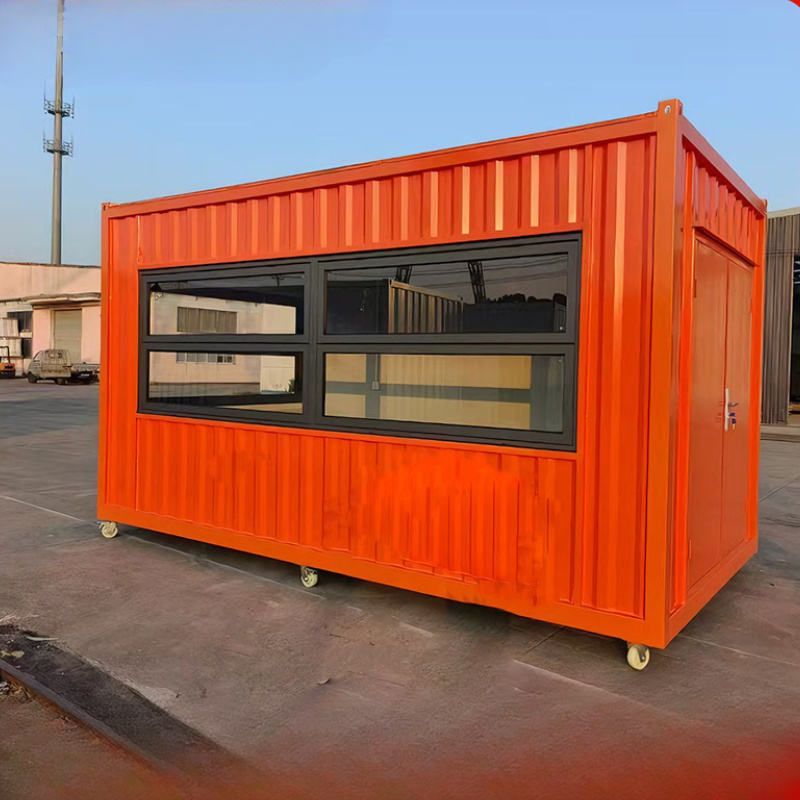
Completion of Toilet Renovation Work
Xuzhuang Village has achieved remarkable results in the rural 'toilet revolution' and has fully completed the toilet renovation work. This means that the original traditional toilets in the village have been upgraded and renovated, greatly improving the toilet environment for villagers and enhancing rural sanitation conditions and residents' quality of life.
Sewage Discharge and Treatment
After the toilet renovation, all sewage is connected to newly renovated rainwater and sewage diversion pipelines. Rainwater and sewage diversion is a scientific drainage method that collects, transports, and treats rainwater and sewage separately. Through this method, it can effectively avoid environmental pollution caused by sewage, especially preventing sewage from permeating into the soil and groundwater, thus protecting the rural ecological environment. At the same time, a reasonable sewage discharge system also provides convenient conditions for subsequent fecal sludge treatment.
Planning and Construction of Septic Tanks
Xuzhuang Village is actively planning and designing two septic tanks for the purpose of facilitating centralized fecal sludge treatment. A septic tank is a treatment facility that uses the principles of sedimentation and anaerobic fermentation to remove suspended organic matter from domestic sewage. By constructing septic tanks, the toilet fecal sludge can be preliminarily treated, reducing harmful substances and odors, and laying the foundation for subsequent harmless treatment and resource utilization.
Fecal Sludge Treatment Methods
After the construction of the septic tanks, Xuzhuang Village will implement various treatment methods to ensure the harmless treatment and resource utilization of toilet fecal sludge. Harmless treatment can kill pathogens and parasite eggs in the fecal sludge, preventing the spread of diseases and safeguarding the health and safety of villagers. Resource utilization involves converting the treated fecal sludge into resources such as organic fertilizers for agricultural use, achieving resource recycling, reducing environmental pollution, and promoting the sustainable development of agriculture.